
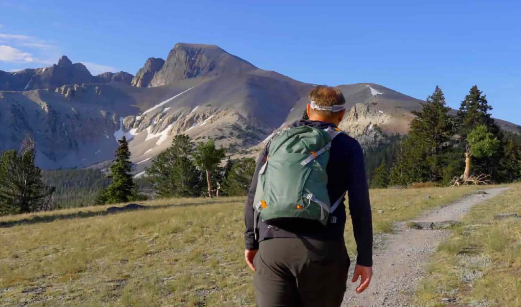
Embarking on a hiking adventure is an exciting way to connect with nature and explore stunning landscapes. However, having the right gear can make all the difference in ensuring a safe and enjoyable experience. From footwear to backpacks, every element plays a crucial role in your outdoor escapade.
1. Footwear: The Foundation of Your Journey
When it comes to hiking, your footwear is perhaps the single most important piece of gear to consider. A well-fitted pair of hiking boots or shoes can prevent blisters and ensure comfort over rough terrain. Look for options that offer good ankle support, especially for rugged trails, and choose materials that are both breathable and waterproof to keep your feet dry in changing weather conditions.
Additionally, consider the type of hiking you’ll be doing. If you plan on tackling steeper trails, a pair of sturdy boots with enhanced grip can provide the necessary traction. For lighter hikes, trail runners may be sufficient, as they offer more flexibility and lighter weight. Remember to break in your shoes before hitting the trails to avoid discomfort.
-
- Choose boots or shoes that fit well and provide adequate support.
-
- Opt for waterproof materials if expecting wet conditions.
-
- Consider the type of hike when selecting footwear.
-
- Break in new footwear before your hiking trip.
2. Backpacks: Your Essential Carry-All
A good backpack is essential for any hiking trip, as it holds all your gear and supplies. Look for a backpack that fits comfortably and carries weight evenly. Features like padded shoulder straps, an adjustable hip belt, and ventilation can significantly enhance your experience on the trail. Capacity is another important factor; for day hikes, a 20-30 liter bag will suffice, while multi-day hikes may require 50 liters or more.
When selecting the right backpack, consider the organization of compartments. Easy access to your water bottle, snacks, and first aid kit can be invaluable on the go. Additionally, features like hydration reservoir pockets and gear loops add convenience. Remember to pack only what you need to keep the load manageable, especially if you’re climbing steep trails.
-
- Choose a comfortable, well-fitting backpack.
-
- Look for backpacks with ample compartments for organization.
-
- Select the size based on the length of your hike.
-
- Keep your load light to ensure ease of movement.
3. Clothing: Dressing for the Elements
Selecting the right clothing is just as crucial as your boots and backpack. Layering is recommended for hiking, as it allows you to adjust your clothing to changing temperatures. Start with moisture-wicking base layers to keep sweat away from your skin. An insulating middle layer like fleece can provide warmth, while a waterproof outer layer protects against rain and wind.
Additionally, consider the season and climate when choosing your clothing. For summer hikes, lightweight, breathable fabrics can help keep you cool, while in winter, thicker, insulated materials are necessary. Don’t forget accessories such as hats, gloves, and neck gaiters for colder climates, and always wear sunscreen to protect against UV rays, even on cloudy days.
-
- Layer your clothing for versatility in temperature changes.
-
- Select moisture-wicking materials for base layers.
-
- Be mindful of weather conditions when choosing your outfit.
-
- Include accessories like hats and gloves when needed.
4. Navigation Tools: Staying on Course
When hiking, having reliable navigation tools is essential to ensure you stay on track and find your way. A good map and compass should be staples in your gear. While GPS devices and smartphone apps are popular, they rely on battery life and can sometimes lose signals in remote areas. Learn to navigate using a map and compass to enhance your skills and confidence.
Additionally, consider bringing a portable power bank to recharge your devices on longer hikes. Some hikers also find it helpful to download offline maps or have a printed version of their route. Always let someone know your intended path and estimated return time for safety, especially in less-traveled areas.
-
- Carry a physical map and a compass as backup.
-
- Learn basic navigation skills for both map and compass use.
-
- Bring a portable power bank for your devices.
-
- Inform someone of your hiking plan and expected return.
5. Safety Gear: Being Prepared for the Unexpected
Safety should always be a priority when venturing outdoors. Packing a first aid kit is essential for treating minor injuries and should include band-aids, antiseptic wipes, pain relievers, and any personal medications you may need. Additionally, a multi-tool can be handy for various situations, from repairing gear to preparing food.
Consider including a whistle and a flashlight in your gear, as both are vital for emergencies. A whistle can be heard over long distances, while a flashlight with extra batteries can help illuminate your path if you’re stuck out after dark. Always ensure your gear is in good working condition before setting out.
-
- Include a comprehensive first aid kit in your gear.
-
- Pack a multi-tool for versatility.
-
- Carry a whistle and flashlight for emergencies.
-
- Check the condition of your safety gear regularly.
Preparing for a hiking adventure is an essential step in ensuring a fantastic outdoor experience. By selecting the right gear and approaching each adventure with knowledge, you can enjoy all that nature has to offer. So gear up, plan your route, and set out on your next exciting journey!