
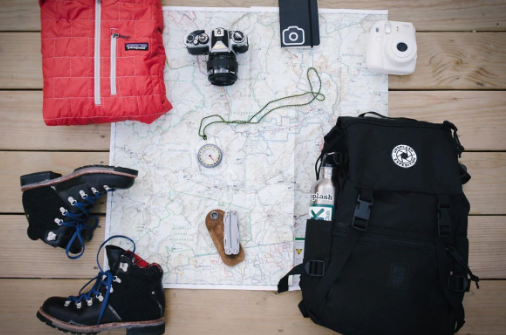
Embarking on a hiking adventure requires more than just enthusiasm and sturdy shoes. The right gear is essential for a safe and enjoyable experience outdoors. Here are some hiking gear essentials you should never forget to pack.
1. Proper Footwear
Your choice of footwear can make or break your hiking experience. Whether tackling rugged trails or leisurely walks through the woods, investing in a good pair of hiking boots or shoes is crucial. Look for options with sturdy soles, good tread, and weather resistance. Remember that the terrain can vary significantly, so select footwear suitable for the specific trail conditions.
Additionally, don’t overlook the importance of proper socks. Wool or synthetic socks help wick away moisture and prevent blisters. Consider bringing an extra pair in case your feet get wet, as wet socks can lead to discomfort and even foot injuries over time.
-
- Choose lightweight boots for day hikes and sturdier options for longer treks.
-
- Break in your footwear before your hike to prevent blisters.
-
- Pack moisture-wicking socks to keep your feet dry.
-
- Always double-check your laces and insoles before hitting the trail.
2. Navigation Tools
Getting lost can turn a fun day on the trails into a stressful scenario. Having reliable navigation tools is essential for every hiker. While GPS applications on smartphones are handy, they’re dependent on battery life and signal strength. Always carry a physical map and a compass as backup. Familiarize yourself with the area’s trails, landmarks, and potential hazards before you set out.
Additionally, consider investing in a GPS device designed for hiking. These gadgets often come with preloaded maps of hiking trails and can track your route, ensuring you stay on course. Taking note of your starting point and key landmarks along the way is also a good habit to develop.
-
- Download offline maps in case of poor signal strength.
-
- Practice using your compass at home before your hike.
-
- Create a rough itinerary and share it with someone.
-
- Carry a flashlight or headlamp to navigate in low-light conditions.
3. Emergency Kit
No one wants to think about emergencies, but being prepared can save your life in a critical situation. An emergency kit tailored for hiking can include basic first-aid items, such as band-aids, antiseptic wipes, and pain relievers. Additionally, it’s wise to include a whistle, a space blanket, and some form of signaling device. Even a simple multi-tool can be invaluable for various unforeseen situations.
It’s also a good idea to carry extra food and water. High-energy snacks like granola bars, nuts, and jerky can sustain you until you return to your starting point. A portable water filter or purification tablets can ensure you always have access to safe drinking water during your hike.
-
- Regularly check the contents of your emergency kit and refresh supplies.
-
- Add a list of emergency contacts to your kit.
-
- Consider learning basic first-aid and survival skills.
-
- Pack items that suit the environment you’re hiking in.
4. Weather-Appropriate Clothing
Weather can change rapidly, especially in mountainous areas. Dressing in layers allows you to adapt to varying temperatures and weather conditions while hiking. Start with moisture-wicking base layers to keep sweat at bay, followed by insulating layers for warmth. A waterproof jacket is a must-have to shield against rain and wind.
Don’t forget accessories! A breathable hat can provide sun protection, while gloves will keep your extremities warm in colder conditions. If you’re hiking in changing climates, be prepared with quick-dry fabrics and items that can be easily added or removed as necessary.
-
- Check the weather forecast the night before your hike.
-
- Choose fabrics designed for outdoor activities that wick moisture and regulate temperature.
-
- Layer your clothing for maximum flexibility.
-
- Bring a lightweight packable jacket that fits easily in your bag.
5. Sufficient Hydration and Nutrition
Staying hydrated is essential during any hike. Water is your best friend, and you should aim to drink regularly, even if you don’t feel thirsty. Invest in a durable water bottle, or better yet, a hydration bladder that allows hands-free sipping while you walk. Ensure you have enough water to last the duration of your hike, factoring in the intensity of your activity.
Along with hydration, nutrition plays a vital role in maintaining your energy levels. Packing lightweight, calorie-dense snacks can keep you energized without adding bulk to your backpack. Additionally, consider meal planning for longer hikes to include sandwiches, wraps, or dehydrated meals that are easy to prepare once you settle down.
-
- Carry at least 2 liters of water for day hikes.
-
- Pack a variety of snacks to prevent taste fatigue.
-
- Consider using electrolyte powders to replenish lost minerals.
-
- Remember to hydrate before, during, and after your hike.
As you gear up for your next adventure, remember that preparation is key. Take the time to gather these essentials to ensure your hike is both safe and enjoyable. Don’t hesitate to do further research or consult outdoor experts for more tips tailored to your specific hiking needs.