
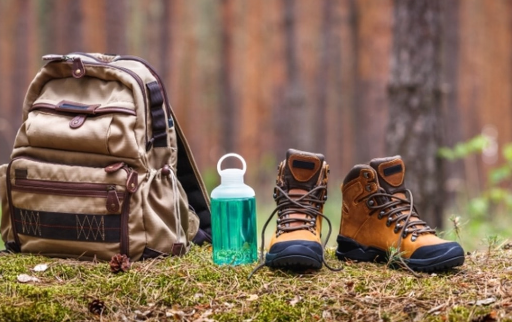
Hiking can be one of the most refreshing and rejuvenating experiences, whether you’re a beginner or an experienced adventurer. Finding the right gear is essential to ensure your hikes are safe, comfortable, and enjoyable. In this blog post, we’ll explore some of the best hiking gear suitable for all skill levels, offering practical tips to make your next outdoor journey a success.
1. Footwear: The Foundation of Your Journey
The right footwear can make or break your hiking experience. Hiking shoes or boots should provide adequate support, grip, and protection against the elements. Beginners might opt for lightweight hiking shoes, which are comfortable for day hikes on well-defined trails. Experienced hikers might prefer more robust hiking boots that offer ankle support and are designed for rugged terrains.
Choosing the right size is equally important. Make sure to try on hiking shoes with the socks you plan to wear, ensuring there’s enough room for your toes but not so much that your foot shifts around. Good ankle support helps prevent injuries, especially on uneven landscapes.
-
- Consider your hiking style (day hikes vs. backpacking).
-
- Opt for waterproof or water-resistant footwear for wet conditions.
-
- Break in new shoes at home before hitting the trail.
-
- Select shoes with good tread for better traction.
2. Backpacks: Carry Your Essentials with Ease
A good backpack is crucial for carrying all your gear. The size of your backpack will depend on the length of your hike. For day hikes, consider a small daypack with a capacity of 20-30 liters. For longer hikes or backpacking trips, a larger pack (50-70 liters) is ideal, providing ample space for extra supplies like food, water, and sleeping gear.
Additionally, look for features that enhance comfort and convenience, such as padded shoulder straps, adjustable hip belts, and multiple compartments for organized storage. Hydration reservoirs or pockets for water bottles are also excellent additions to keep your water accessible during your trek.
-
- Choose a backpack based on the hike’s duration.
-
- Try different fits to find a comfortable option.
-
- Look for external straps to secure trekking poles or extra gear.
-
- Ensure it has proper ventilation to avoid overheating.
3. Clothing: Dress for Success
Hiking clothing plays a pivotal role in your comfort while on the trail. Layering is key, as it allows you to adapt to changing temperatures. Start with a moisture-wicking base layer to keep sweat away from your skin, then add an insulating mid-layer like a fleece, and finally, a waterproof and windproof outer layer.
Materials matter too. Avoid cotton as it absorbs moisture and can cause chafing and hypothermia. Instead, choose fabrics like polyester or merino wool, which dry faster and regulate body temperature better. The right hiking socks are also important; opt for wool or synthetic materials that provide cushioning and wick moisture away from your feet.
-
- Utilize the layering system for temperature regulation.
-
- Avoid cotton clothing, especially for base layers.
-
- Check weather forecasts before choosing your hiking outfit.
-
- Carry an extra layer in your backpack for emergencies.
4. Safety Gear: Stay Prepared
Having safety gear is essential for any hiking trip, regardless of your skill level. Basic items like a first-aid kit, a map, and a compass are necessary, even if you plan to use a GPS. For those hiking in more remote areas, tools like a whistle, multi-tool, or headlamp can prove invaluable in emergencies.
Don’t forget to check for any local regulations that may require additional safety equipment such as bear spray in wildlife-heavy areas or fire permits in restricted zones. Being prepared means reducing your risks and ensuring an overall positive experience on the trail.
-
- Pack a first-aid kit tailored to your group’s needs.
-
- Always carry a physical map and compass.
-
- Include a whistle and multi-tool for emergencies.
-
- Research local wildlife and necessary safety gear.
5. Navigational Tools: Stay on the Right Path
Having navigational tools is vital when hitting the trails. While a GPS device or app can help guide you, it’s wise to carry traditional tools like a map and compass as backups. People often underestimate how quickly they can lose signal or face battery issues, especially in remote areas.
To enhance your navigation skills, consider investing in a portable charger to keep your devices powered and watch online tutorials for map reading and compass skills. Many hiking gps apps come with offline maps, making them a great option for adventurous trailblazers.
-
- Bring both digital and physical navigational tools.
-
- Download offline maps before your hike.
-
- Practice using a compass in your local area.
-
- Invest in spare battery packs for devices.
Choosing the right hiking gear tailored to your skill level can significantly enhance your outdoor experiences. Whether you’re just getting started or are an experienced hiker, the right equipment will ensure that your adventures are memorable and enjoyable. Don’t hesitate to reach out to local hiking clubs or outdoor specialists to explore more about gear options that suit your needs and get ready for your next trek!