
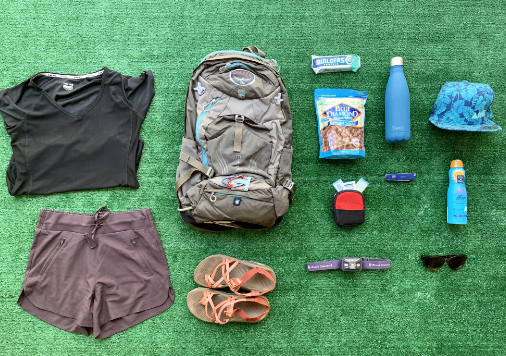
Hiking is a fantastic way to explore nature, improve your fitness, and find some tranquility away from the hustle and bustle of everyday life. However, if you’re a beginner, knowing what essential gear to pack can be a bit daunting. Let’s break down the must-have items that will set you up for a successful hike.
1. The Right Footwear
Your footwear can make or break your hiking experience. It’s crucial to choose shoes that provide proper support and grip. Hiking boots or shoes should have a rugged sole for traction and ideally be waterproof depending on where you plan to hike. If you’re tackling rocky terrain, go with boots that cover your ankles for extra support.
When trying on shoes, remember to wear the socks you’ll be using on your hike. Make sure there’s enough space to wiggle your toes but not so much that your foot slides around. This will help prevent blisters and discomfort during your adventure.
-
- Choose waterproof options if you’re expecting wet conditions.
-
- Break in new shoes at home before hitting the trails.
-
- Invest in moisture-wicking socks to keep your feet dry.
-
- Consider the weight of your shoes; lighter is often better for long hikes.
2. Clothing Layers
Selecting the right clothing layers is essential for staying comfortable during your hike. Start with a moisture-wicking base layer to keep sweat off your skin. Next, add an insulating layer (like a fleece) that traps warmth, especially if you’re hiking in cooler temperatures. Finally, have a waterproof and breathable outer layer to protect against elements like rain or wind.
It’s advisable to wear pants that allow for mobility, considering whether you’re hiking over rough terrain or, say, a gentle path. Opt for pants that can zip off into shorts for versatility; this is especially handy in fluctuating weather conditions.
-
- Dress in layers, so you can add or remove items as needed.
-
- Select synthetic or wool materials to wick away moisture.
-
- Avoid cotton, as it retains moisture and can make you cold.
-
- Wear a hat to protect your face from the sun and keep sweat out of your eyes.
3. Essential Accessories
Accessories play a crucial role in your comfort and safety while hiking. A good backpack is essential; it should be large enough to carry your gear but not so bulky that it becomes cumbersome. Look for options with multiple compartments to help you stay organized and distribute weight effectively.
Additionally, don’t forget to pack essentials such as a water bottle or hydration system to keep yourself hydrated, a first-aid kit for emergencies, and a compass or GPS device for navigation. A multi-tool can also be handy for various needs during your hike.
-
- Invest in a comfortable, adjustable backpack with proper ventilation.
-
- Hydrate often; aim for about half a liter of water per hour during your hike.
-
- Always carry a basic first-aid kit, including band-aids and antiseptic wipes.
-
- A headlamp can be invaluable if you’re hiking during low-light conditions.
4. Food and Snacks
Fueling your body correctly is pivotal to maintaining energy levels during your hike. Pack lightweight, high-energy snacks like trail mix, energy bars, or dried fruit. These are convenient to store, easy to consume on the trail, and will provide the stamina you need.
For longer hikes, consider packing a proper meal, but ensure that it’s something easy to prepare or consume, like sandwiches or wraps. A portable stove may come in handy if you’re planning a day-long hike, so you can prepare warm food when you’re on the trail.
-
- Choose nutrient-dense snacks that provide long-lasting energy.
-
- Pack extra food—sometimes your hike may take longer than expected.
-
- Store food in resealable bags to keep it fresh and prevent spilling.
-
- Keep snacks accessible in an outer pocket of your backpack.
5. Navigation and Safety Gear
Even on well-marked trails, it’s essential to have navigation tools on hand. Print out a map of the area and familiarize yourself with the route before your hike. A compass or a GPS device is crucial if the terrain isn’t easy to navigate.
In addition to navigation, consider packing a whistle, which is useful for signaling for help. A basic emergency blanket can provide warmth in unforeseen circumstances, while a small multi-tool can be handy for various needs along the trail.
-
- Always have a map of the area and know your route.
-
- Familiarize yourself with basic compass skills.
-
- Carry a emergency whistle to signal for help if needed.
-
- Pack a small emergency blanket for warmth.
Preparing for your first hike doesn’t have to be overwhelming. By packing the right gear, you’ll enhance your experience and minimize risks. Don’t hesitate to reach out to experienced hikers or local hiking organizations for tips and recommendations specific to your area. Happy hiking!