
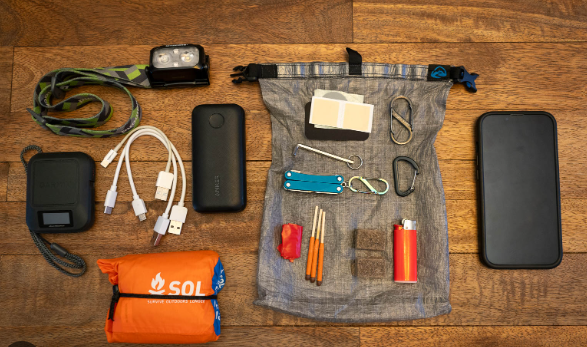
Hiking is one of the most rewarding outdoor activities, combining the thrill of exploration with the benefits of exercise. However, venturing onto the trails requires proper preparation and gear to ensure a safe and enjoyable experience. Below is a guide covering the must-have hiking gear that every hiker should consider when planning their adventures.
1. Footwear: The Foundation of Safety
Your choice of footwear can make or break your hiking experience. A sturdy, well-fitted pair of hiking boots or shoes provides essential support, grip, and protection from the elements. Look for options that are waterproof and have good traction; this is especially important if you plan to hike in varying terrains, including wet or rocky paths. Additionally, taking the time to break in your boots at home can prevent blisters and discomfort on the trail.
When selecting hiking footwear, consider the weather and terrain you will encounter. For instance, if you’re hiking on rocky trails, opt for boots with added ankle support to help prevent injury. On the other hand, if you’re tackling flatter, well-tended paths, a pair of lightweight trail runners might be sufficient. Always prioritize quality over price; a good pair of hiking shoes can last several seasons with proper care.
-
- Invest in waterproof shoes or boots to keep your feet dry.
-
- Choose footwear with good ankle support for rocky paths.
-
- Consider breathable materials to keep your feet cool.
-
- Break in new shoes at home to avoid blisters.
-
- Bring along extra socks in case your feet get wet.
2. Clothing: Dress for Success
Choosing the right clothing is crucial for comfort and safety on the trails. Layering is key, as it allows you to adapt to changing weather conditions. Start with a moisture-wicking base layer to keep sweat away from your skin, followed by an insulating layer for warmth, and finish with a durable, weather-resistant outer layer to protect against rain and wind. Fabrics like merino wool or synthetic materials are excellent choices for each of these layers.
Additionally, consider the importance of UV protection and insect repellent clothing, especially for summer hikes. Lightweight, breathable attire can help prevent overheating, while long-sleeved shirts and pants can protect you from sunburns and bug bites. Always plan for the worst by packing an extra layer, just in case temperatures drop or if you encounter unexpected weather changes.
-
- Layer your clothing to adapt to changing temperatures.
-
- Choose moisture-wicking fabrics for the base layer.
-
- Opt for breathable material to avoid overheating.
-
- Pack a lightweight waterproof jacket for emergencies.
-
- Include a hat and sunglasses for sun protection.
3. Navigation Tools: Find Your Way
Even well-marked trails can lead to confusion, especially in dense woods or during inclement weather. A reliable navigation system can enhance your hiking experience by providing you with confidence in the path ahead. Consider carrying a compass and a detailed topographic map of the area, in addition to a GPS device or your smartphone with downloaded offline maps. Familiarizing yourself with these tools before hitting the trail can make navigation second nature.
While technology is incredibly useful, it can sometimes fail; GPS batteries can die, and signals can be lost. This is why traditional navigation aids like maps and compasses should always accompany technological devices. Practice using these tools before you set out, and always check trail markers to keep your bearings during the hike.
-
- Carry a physical map of the area to back up your navigation tech.
-
- Make sure to download offline maps in case of poor signal.
-
- Familiarize yourself with the compass and map before hiking.
-
- Regularly check trail signs to keep your bearings.
-
- Consider a GPS device designed for outdoor use for greater reliability.
4. Emergency Gear: Be Prepared
Even the most experienced hikers encounter unexpected challenges. Being prepared with emergency gear can make all the difference. A well-stocked first aid kit tailored to your hiking needs is essential. This should include items such as adhesive bandages, antiseptic wipes, pain relievers, and specific medications if you have allergies or other health conditions. You may also want to add a whistle, a multi-tool, and a flashlight to your pack in case you encounter difficulties or need to signal for help.
In addition to a first aid kit, consider carrying other survival gear like a space blanket for warmth, fire-starting materials, and snacks high in protein for energy. It’s advisable to let someone know your planned route and estimated return time, so they can alert authorities if you don’t return as scheduled. Preparing for emergencies could mean the difference between a misadventure and a safe return from your hike.
-
- Pack a comprehensive first aid kit tailored for hiking.
-
- Include survival gear such as a space blanket and whistle.
-
- Bring high-energy snacks and water to stay fueled.
-
- Notify someone about your hiking plans and timeline.
-
- Learn basic first aid skills to handle minor injuries.
Ultimately, the best way to enjoy a hike is to be well-prepared with the right gear. Investing in these must-have items ensures a safer and more enjoyable experience on the trails. So, whether you are a seasoned hiker or a first-timer, familiarize yourself with your gear and always prioritize safety in your outdoor adventures.