
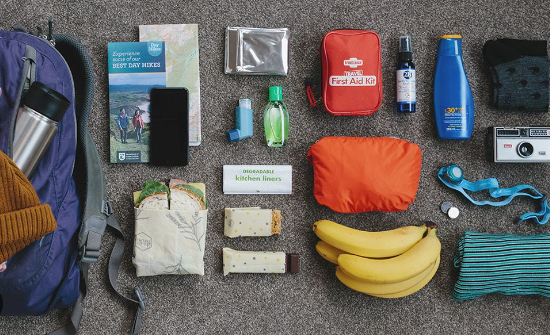
Heading out for a day hike is an exhilarating way to explore nature and enjoy time outdoors. However, having the right gear is crucial for a safe and enjoyable experience. For beginners, it’s essential to know what to pack to ensure comfort and preparedness along the trail.
1. Footwear: The Foundation of Your Hike
Your choice of footwear can make all the difference when hitting the trails. Hiking boots or shoes provide the necessary support and grip to tackle varying terrains, which can be challenging for beginners. Aim for footwear with good traction, adequate cushioning, and water resistance, especially if you plan to hike in wet or rugged conditions.
Don’t forget to wear moisture-wicking socks that fit well, as they reduce the risk of blisters and keep your feet dry. Many stores offer a variety of options, from lightweight trail shoes to sturdy leather boots. Choosing the right size is essential; make sure to try them on with the socks you’ll wear during your hike to ensure a proper fit.
-
- Invest in a good pair of hiking boots or trail shoes.
-
- Choose moisture-wicking socks to prevent blisters.
-
- Break in your footwear before hitting the trail.
-
- Consider the type of terrain you’ll be hiking on.
2. Clothing: Layer Up for Comfort
When it comes to clothing, layering is key for regulating your body temperature. Start with a moisture-wicking base layer that keeps sweat away from your skin. Then, add an insulating mid-layer, like a fleece, for warmth, followed by a waterproof outer layer in case of unexpected rain or wind.
Choose materials such as merino wool or synthetic fibers that dry quickly and won’t weigh you down. Avoid cotton, as it retains moisture and can lead to discomfort during a long hike. Also, consider wearing a wide-brimmed hat and sunglasses to protect yourself from sun exposure on clear days.
-
- Wear moisture-wicking base layers for comfort.
-
- Opt for synthetic or wool materials, not cotton.
-
- Bring a lightweight, waterproof jacket for unexpected weather.
-
- Don’t forget sun protection: a hat and sunglasses are essential.
3. Essential Gear: Tools for Navigation and Safety
Navigation tools are crucial for ensuring you stay on track during your hike. A map and compass are traditional options, but many hikers also use GPS devices or smartphone apps for easy route planning. Familiarize yourself with these tools before hitting the trail, as having a backup plan is always wise.
In addition to navigation, packing a basic first aid kit is essential for addressing minor injuries, such as scrapes or insect bites. Include items like band-aids, antiseptic wipes, and emergency contact information to keep yourself safe and prepared for any bumps along the way.
-
- Always carry a physical map and compass for navigation.
-
- Familiarize yourself with GPS devices or hiking apps.
-
- Pack a well-stocked first aid kit for minor injuries.
-
- Include emergency contact information in your kit.
4. Hydration and Nutrition: Fuel Your Adventure
Staying hydrated is vital, especially when you’re out on a hike for several hours. A good rule of thumb is to drink about half a liter of water per hour, but this may vary depending on the heat and exertion level. Consider investing in a hydration bladder or a durable water bottle that you can easily carry.
Nourishing snacks are equally important for maintaining your energy levels. Opt for lightweight, high-energy options like trail mix, protein bars, or jerky to keep you fueled. Pack these snacks in easy-to-reach compartments to satisfy your hunger while enjoying the views.
-
- Drink around half a liter of water per hour.
-
- Invest in a hydration bladder or durable water bottle.
-
- Pack lightweight, high-energy snacks for energy boosts.
-
- Keep snacks accessible during your hike for convenience.
5. Backpack: Your Hiking Companion
Choosing the right backpack is essential for carrying all your gear efficiently. Look for a daypack that is both lightweight and has enough capacity for your essentials, typically ranging from 15 to 30 liters. Ensure that it has comfortable straps, a hip belt for weight distribution, and several compartments for organized storage.
Don’t overload your backpack; aim for a weight not exceeding 20% of your body weight. Additionally, familiarize yourself with packing techniques, such as placing heavier items close to your back and lighter ones on the top, to maintain balance and prevent fatigue during your hike.
-
- Choose a lightweight backpack suited for day hikes.
-
- Look for one with comfortable straps and a hip belt.
-
- Aim to keep your pack weight under 20% of your body weight.
-
- Organize your gear using various compartments for easy access.
Equipping yourself with the right hiking gear is vital for enjoying your day hikes while remaining safe and comfortable on the trail. By considering the essentials listed above, you can build a solid foundation for your hiking adventures. Don’t hesitate to explore and enjoy the great outdoors—after all, every hike is a new opportunity for adventure!