
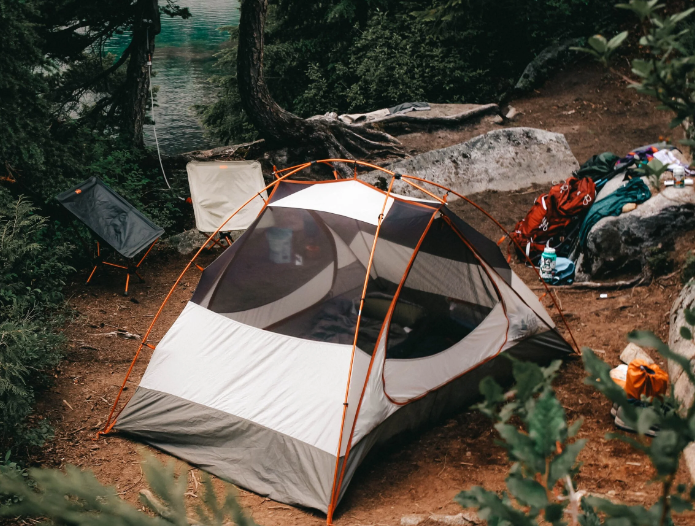
Camping and backpacking are two of the most popular outdoor activities, but they require different types of gear. Understanding the distinctions between camping equipment and backpacking gear is essential for planning a successful outdoor adventure. This guide aims to clarify these differences to help you make informed choices.
1. Understanding Camping Equipment
Camping equipment typically encompasses items designed for car camping, where convenience and comfort take precedence over portability. This equipment may include larger, bulkier items such as tents with built-in rooms, full-sized sleeping bags, and kitchen gear that offers a more home-like experience. For instance, a spacious tent with a screened-in room for lounging is fantastic in a camp setup, but it is not feasible for backpacking, where weight limits are crucial.
Moreover, many camping items are designed for durability and multiple uses, as they often stay at the campsite rather than being transported on long hikes. Integrated stove systems and even portable refrigerators can make a camping experience luxurious and relaxing, encouraging extended stays in nature. However, this convenience means that the gear may be too heavy and cumbersome for backpacking trips, where saving weight and space is essential.
-
- Choose a tent that provides ample space for family or groups.
-
- Invest in comfortable sleeping pads and bags for better rest.
-
- Utilize multi-functional cooking gear to save space.
-
- Always bring extra lanterns or headlamps for night visibility.
2. Exploring Backpacking Gear
Backpacking gear is tailored for travel on foot, where every ounce matters and efficiency is key. This gear is designed to be lightweight and compact, such as tents that pack down into a small size and weigh less than two pounds. For example, a solo backpacking tent is smaller than traditional camping models, allowing for ease in carrying while still providing shelter. Additionally, backpackers often use sleeping bags and pads specifically designed for backpacking, offering warmth without the extra bulk.
Another critical area of backpacking gear is the backpack itself, which must be both comfortable and functional. A good backpack may have multiple compartments for organization and should be ergonomically designed to distribute weight evenly across your body. Proper hydration is also vital, so many backpackers invest in water filtration systems or carry weight-efficient hydration packs to ensure adequate water supply while minimizing extra gear.
-
- Select a lightweight, well-fitted backpack to maximize comfort on the trail.
-
- Use compression sacks to save space and reduce weight in your pack.
-
- Prioritize clothing that layers well and is moisture-wicking.
-
- Carry a compact stove for quick meals during hikes.
3. Key Differences Between the Two
The primary distinction between camping equipment and backpacking gear lies in their intended use. Camping gear usually focuses on comfort and ease of setup, suitable for easy access via a vehicle. In contrast, backpacking gear is all about minimizing weight and maximizing space, perfect for outdoor enthusiasts who want to explore remote areas on foot. For instance, while a portable grill may be perfect for a campsite, it becomes impractical when every ounce counts in a backpacking scenario.
Another significant difference is the duration and type of trip each gear is most suited for. Camping trips might last from a weekend to several weeks, allowing for a greater variety of items. Backpacking trips often require longer treks into the wilderness, sometimes lasting multiple days or even weeks while carrying all necessary provisions. This difference necessitates different mindsets when selecting and packing gear.
-
- Consider your destination when choosing between gear types.
-
- Assess your comfort versus weight preferences when packing.
-
- Plan meals that align with your camping or backpacking capabilities.
-
- Factor in the duration of your trip to select appropriate gear.
4. Choosing the Right Gear for Your Adventure
When deciding between camping and backpacking gear, consider your specific trip goals and the environment you’ll encounter. For a leisurely family camping trip, prioritize comfort and convenience; a well-equipped campsite allows for extra gear that enhances the experience. However, for a backcountry trek, invest in lightweight, durable items that offer essential functionalities without weighing you down.
Researching specific gear brands or models that best fit your needs can also be beneficial. Reviews and recommendations can guide you to high-quality products that stand the test of time. Visiting outdoor stores may allow you to test gear before buying, ensuring comfort and functionality for your adventures.
-
- Assess your trip type before purchasing any gear.
-
- Read reviews and compare products before selection.
-
- Visit local outdoor stores to test gear before buying.
-
- Seek expert advice from experienced campers or backpackers.
Whether you’re planning a weekend camping getaway or an extensive backpacking adventure, understanding the differences between camping equipment and backpacking gear will ensure a more enjoyable experience. By selecting the right items that meet your specific needs, you can maximize comfort, safety, and enjoyment outdoors. Now is the time to evaluate your options and gear up for your next adventure!