
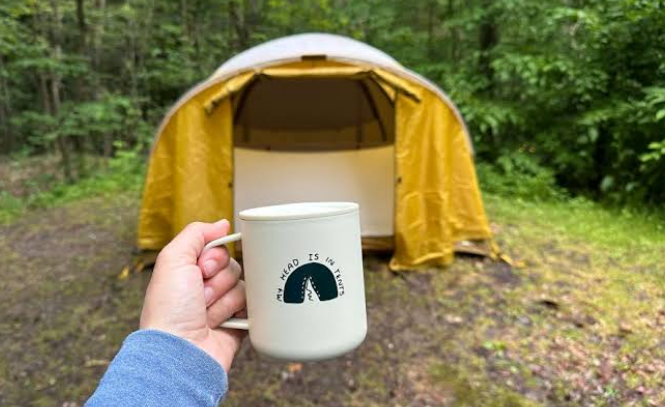
Camping can be a refreshing escape into nature, but having the right equipment is crucial for a successful trip. Many people have questions about what tools and gear to bring along. This blog post will address some common camping equipment questions to help you prepare for your outdoor adventure.
1. What Essential Gear Do I Need for Camping?
When heading out for a camping trip, determining which gear is essential can be overwhelming. At a minimum, you’ll need a tent, sleeping bag, cooking equipment, and safety items. A well-chosen tent will protect you from weather elements while providing a comfortable sleeping space. Don’t forget about a sleeping bag that is appropriate for the season—you want to stay warm and cozy during chilly nights!
Additionally, cooking gear like a portable stove or a grill is vital for preparing meals. Depending on your location, a cooler can keep your food fresh. Other important safety items include a first-aid kit, flashlight, and a multi-tool. Ensuring you have these essentials will set the foundation for an enjoyable camping experience.
-
- Pack a tent that suits your group size.
-
- Choose a sleeping bag based on the season.
-
- Include a portable stove or grill for cooking.
-
- Don’t forget a first-aid kit for emergencies.
-
- Bring a multi-tool for various tasks.
2. How Do I Choose the Right Tent?
Choosing the right tent is critical for your camping trip’s success. Consider the size of your group—tents come in various sizes and configurations. If you’re camping with family or friends, ensure the tent has enough space for everyone to sleep comfortably. Look for features like rain flies and floor material to keep you dry and warm, especially if you’re camping in unpredictable weather.
Also, think about the weight of the tent if you’re going backpacking. Lighter tents can make a significant difference in how much you can carry. Additionally, ease of setup is crucial, particularly if you arrive at your campsite late. Opt for tents with color-coded poles or pop-up features to save time and frustration.
-
- Choose a tent that matches your group size.
-
- Look for weather-resistant features.
-
- Select a lightweight tent for backpacking.
-
- Opt for easy setup features.
-
- Consider additional space for gear inside the tent.
3. What Cooking Equipment Should I Bring?
Cooking while camping can be a delightful part of the experience, but having the right equipment is essential. A camp stove or portable grill is a great start, as they provide an efficient way to prepare meals. Don’t forget fuel for the stove—it’s easy to overlook, and you don’t want to end up without a cooking source!
You can also bring along cookware like pots, pans, and utensils specific for outdoor use. Light-weight, non-stick cookware can make cooking easier. Consider versatile items, like a pot that doubles as a bowl, to reduce what you need to pack. Lastly, reusable plates and utensils are both eco-friendly and convenient for mealtime cleanup.
-
- Bring a portable stove or grill.
-
- Don’t forget to pack fuel for cooking.
-
- Select lightweight, durable cookware.
-
- Include reusable plates and utensils for convenience.
-
- Consider dual-purpose cooking tools to save space.
4. What Are Some Safety Tips for Camping?
Safety should always be a priority when camping. First and foremost, inform someone of your camping plans, including your destination and expected return date. This is crucial in case an emergency occurs and someone needs to look for you. Carry a well-stocked first-aid kit tailored to your group’s needs, which can include allergy medications, antiseptics, and bandages.
Also, familiarize yourself with your camping surroundings. Be aware of the local wildlife and what precautions to take in case of encounters. Proper food storage is essential; use bear-proof containers or hang food from trees when camping in bear country to avoid attracting wildlife. By being proactive about safety measures, you’ll ensure a more enjoyable camping experience.
-
- Inform someone about your camping plans.
-
- Pack a well-stocked first-aid kit.
-
- Know the wildlife in the area.
-
- Store food properly to avoid attracting animals.
-
- Keep a flashlight and whistle handy for emergencies.
With the right equipment, safety measures, and knowledge, camping can be a wonderful adventure. Don’t be afraid to invest time in preparing and learning about your gear. Before you head out, consult with experienced campers or even local outdoor shops to ensure you’re well-equipped for your journey!