
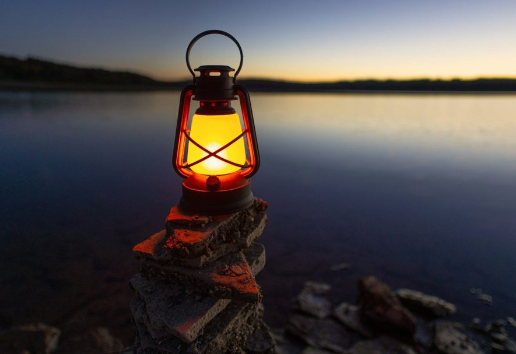
When it comes to outdoor activities like camping, having the right lighting can make all the difference. Among the most popular options are headlamps and camping lanterns, each with its own unique advantages and ideal uses. Understanding the differences can help you choose the best option for your adventures.
1. Functionality and Use Cases
Headlamps are designed to be worn on the head, providing hands-free illumination. This makes them ideal for tasks like setting up camp in the dark, cooking, or even reading at night. Their ability to project light in the direction you’re looking allows for increased versatility, enabling you to navigate trails or perform tasks without juggling a flashlight.
On the other hand, camping lanterns are typically stationary light sources that provide ambient lighting over a wider area. They are excellent for illuminating your campsite, making it easier to gather around a social area for meals or games. The broader light distribution is particularly beneficial during group camping trips, allowing everyone to enjoy a well-lit communal space.
-
- Choose a headlamp for tasks requiring mobility.
-
- Opt for a lantern for group settings or larger camping areas.
-
- Consider the weight and size depending on your travel plans.
-
- Evaluate battery life for longer trips.
2. Brightness and Battery Life
When comparing the brightness of headlamps and camping lanterns, it’s essential to consider lumens, which measure brightness output. Most headlamps range from 100 to 300 lumens, suitable for close-up tasks or hiking trails. Models with adjustable brightness settings can help conserve battery life depending on your needs.
Camping lanterns vary significantly in brightness as well, often reaching up to 1000 lumens for larger models. This higher output is particularly useful for lighting up entire areas, but more lumens means a higher chance of quickly draining the battery. Selecting a lantern with smart power management features can ensure a longer duration of use, making it ideal for long camping trips without frequent battery replacements.
-
- Check the lumens rating to gauge brightness for each tool.
-
- Look for adjustable brightness settings in headlamps.
-
- Consider a lantern with power-saving modes for longevity.
-
- Always pack extra batteries to avoid unexpected darkness.
3. Portability and Design
Portability is a crucial factor in deciding between a headlamp and a lantern. Headlamps are compact and lightweight, making them easy to stow in a backpack. This feature is particularly beneficial for hikers who need to minimize pack weight while still ensuring adequate lighting when it’s dark.
Camping lanterns, while sometimes bulkier, come in various designs tailored for different needs. Some lanterns are collapsible, making them easier to transport without taking up significant space. Additionally, many lanterns today are designed to withstand various weather conditions, making them a durable option for adventurers who might encounter rain or wind.
-
- Consider the size-to-weight ratio when packing.
-
- Look for collapsible lanterns if space is a concern.
-
- Choose headlamps that fit snugly and comfortably on the head.
-
- Evaluate the durability of each option based on your camping environment.
4. Cost and Availability
When budgeting for your camping gear, it’s also important to consider the cost of headlamps and camping lanterns. Headlamps can be found in a range of prices from around $15 to $100, depending on features like brightness, battery type, and additional functionalities like waterproofing. Generally, a basic headlamp will meet the needs of casual campers, while more feature-rich models are ideal for enthusiasts.
Camping lanterns also vary in price, with simple battery-operated models starting at $20 and more advanced options costing upwards of $150. When investing in a lantern, consider additional features like charging capabilities, light modes, and overall build quality. Spending a bit more might yield a product that lasts several camping seasons, providing better value over time.
-
- Compare prices at local outdoor stores and online retailers.
-
- Look for customer reviews to gauge value for money.
-
- Evaluate warranty or return policies for peace of mind.
-
- Consider investing in multi-functional models for greater utility.
In conclusion, both headlamps and camping lanterns serve essential roles in your outdoor adventures, each suited for specific situations and needs. Assessing your camping style and requirements will help you select the ideal lighting solution to enhance your experience. Whether it’s an evening hike or a night spent around the campfire, the right light can transform your adventure.