
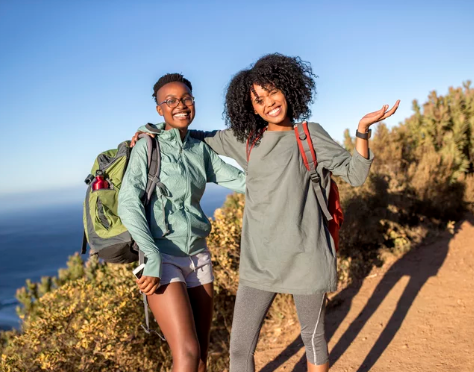
Hiking is a wonderful way for women to enjoy the great outdoors, stay active, and connect with nature. However, the right gear is essential to ensure a comfortable and enjoyable experience. In this blog post, we will explore hiking gear specifically tailored for women, focusing on comfort and fit, so you can make informed choices for your next adventure.
1. Footwear: Finding the Perfect Fit
Your hiking boots or shoes are perhaps the most crucial aspect of your gear. An ill-fitting pair can lead to blisters, discomfort, or even serious injuries. When selecting footwear, prioritize trying on various styles and sizes. Keep in mind that your foot may swell during a hike, so it’s advisable to try on shoes in the afternoon or after a short walk. Pay attention to the toe box and heel fit; your toes should have some wiggle room, while the heel should fit snugly to prevent slipping.
Selecting the right type of footwear for your hiking style is equally important. For instance, if you plan to tackle rugged terrains, consider investing in a pair of sturdy hiking boots with excellent ankle support and traction. Alternatively, if your hikes are shorter or on well-maintained trails, trail runners may provide the lightweight comfort and breathability you need.
-
- Visit a specialized outdoor retailer for personalized fitting assistance.
-
- Try on various styles during the afternoon for accurate sizing.
-
- Choose footwear based on the type of terrain you’ll encounter.
-
- Break in new shoes before long hikes to avoid blisters.
2. Clothing Layers: Comfort in Every Season
The three-layer system is a fundamental principle in outdoor clothing, offering flexibility and comfort across different weather conditions. The base layer, made up of moisture-wicking materials like merino wool or synthetic fabrics, sits closest to your skin. It manages moisture and keeps your body dry, which is crucial on longer hikes. Ensure the base layer fits snugly but is not restrictive, as this allows for optimal thermal regulation.
The middle layer serves as insulation and should trap heat while remaining breathable. Fleece jackets or down vests can be great examples. Finally, the outer layer should provide protection from wind, rain, and other elements. Look for jackets that are waterproof yet breathable, ensuring you won’t feel clammy while enjoying the fresh air. Remember, layering allows you to adjust your clothing based on activity level and weather changes for maximum comfort.
-
- Invest in moisture-wicking base layers suitable for your climate.
-
- Choose insulated middle layers that offer breathability.
-
- Opt for a durable outer shell that protects against wind and rain.
-
- Always try on layers together to ensure a comfortable fit.
3. Backpack: Comfort Meets Convenience
A well-fitted backpack can make your hiking experience much more enjoyable. Size and shape matter, so look for packs designed specifically for women, which often feature a shorter torso length and ergonomically designed straps. The hip belt should sit comfortably on your hips, providing support without cutting into your skin. Make sure to test the pack both empty and loaded to find the best fit for your personal comfort level.
Consider the type of hiking you’ll be doing when selecting a backpack. Day hikes typically require smaller, lighter packs, while multi-day hikes necessitate larger packs with ample space for extra gear. Features like hydration compatibility, ventilation back panels, and pockets for easy access to essentials can significantly enhance your hiking experience.
-
- Choose a pack specifically designed for the female form for optimal fit.
-
- Make sure to adjust all straps before hitting the trail.
-
- Test the pack with weight to assess comfort and fit.
-
- Look for features that suit your hiking style, like hydration systems.
4. Accessories: Finishing Touches for Comfort
The right accessories can greatly improve your hiking comfort. A sturdy, wide-brimmed hat protects you from sun exposure, while a quality pair of sunglasses can shield your eyes from glare. Additionally, moisture-wicking socks specifically designed for hiking help prevent blisters, and they assist in keeping your feet dry throughout the trek. When selecting gloves or gaiters, choose those made from breathable materials to maximize comfort.
Don’t forget the importance of a good pair of trekking poles. They provide support, particularly on uneven terrain, help reduce strain on the knees, and can improve stability. Make sure the poles are adjustable to the right height to suit your body, as this can reduce the risk of injury and fatigue while hiking.
-
- Invest in a wide-brimmed hat and UV-blocking sunglasses.
-
- Select moisture-wicking socks designed for hiking.
-
- Choose breathable gloves and gaiters for additional comfort.
-
- Consider using trekking poles for added stability and support.
Choosing the right hiking gear can significantly enhance your overall experience while exploring the trails. By prioritizing comfort and fit in footwear, clothing, backpacks, and accessories, women can fully enjoy the beauty of nature without discomfort. Don’t hesitate to try out different options and consult experts when needed to ensure that your outdoor adventures are enjoyable and safe.