
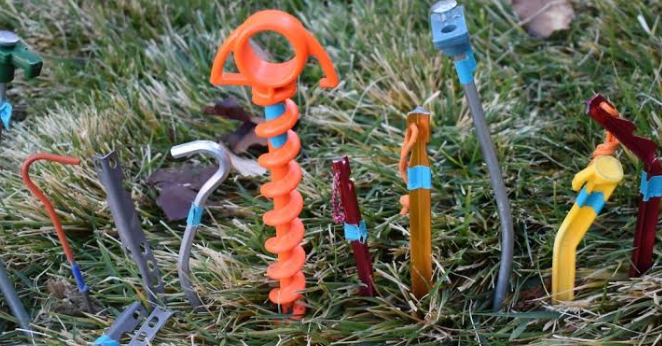
Choosing the right camping tent stakes can make a significant difference in your outdoor experience. The stakes you choose will affect your tent’s stability and performance against wind, rain, and uneven ground. Let’s explore how to pick the perfect stakes for your camping adventure.
1. Understanding Stake Materials
The material of your camping stakes plays a crucial role in their effectiveness and durability. Common materials include aluminum, steel, and plastic. Aluminum stakes are lightweight and strong, making them ideal for backpackers looking to minimize their pack weight. Steel stakes, on the other hand, offer exceptional durability and are perfect for securing tents in windy conditions, though they tend to be heavier. Plastic stakes are the most lightweight and typically the cheapest, but they may not hold up as well in tougher conditions.
When considering materials, think about your camping environment. If you frequently camp in hard or rocky terrain, aluminum or steel stakes are likely the best choice. In contrast, if you’re camping on soft ground, plastic might do the job just fine. Your choice should align with the conditions you expect to face.
-
- Consider aluminum for backpacking for its weight advantage.
-
- Opt for steel stakes during windy conditions for extra security.
-
- Use plastic stakes in soft terrain for convenience.
-
- Evaluate whether you prioritize weight or durability based on your camping style.
2. Choosing the Right Length and Diameter
The length and diameter of your tent stakes determine how well they hold in various soil types. Longer stakes generally provide better grip in loose or sandy soil, as they can penetrate deeper. A standard stake length ranges from 6 to 12 inches. If you are camping in loose sand or snow, opt for longer stakes. For firmer soil or rocky terrain, shorter, thicker stakes will usually suffice.
Another aspect to consider is the width of the stake. Thicker stakes tend to be more stable and less susceptible to bending. If you’re camping in a particularly challenging environment, a wider stake may provide the needed stability for your tent. Always be mindful of how the stakes will perform based on the ground conditions.
-
- Choose longer stakes for soft or loose ground.
-
- Use shorter, thicker stakes in firmer soil.
-
- Check your tent’s specifications for recommended stake dimensions.
-
- Consider a mix of stake lengths for diverse terrain.
3. Assessing Stake Design Features
Not all tent stakes are created equal; many come with additional design features that can enhance functionality. For instance, some stakes have hooks or loops, making them easier to remove when packing up. Others are designed with unique shapes, like Y-shaped or V-shaped stakes, providing extra holding power in various soil types. These features can save you time and effort at the campsite.
Furthermore, certain stakes may include reflective or brightly colored tops that make them easier to spot, reducing the risk of tripping or losing them in the grass. Assess the design features based on what will benefit your specific camping style and terrain.
-
- Look for stakes with hooks for easy removal.
-
- Consider Y-shaped stakes for added grip.
-
- Choose brightly colored stakes to avoid tripping hazards.
-
- Evaluate your personal preference for stake design.
4. Knowing How Many Stakes You Will Need
When heading out for a camping trip, it’s crucial to determine how many stakes you’ll need. Most tents require four basic stakes, one for each corner. However, larger tents may have additional stakes for guylines, which provide extra stability during gusty weather. Always check the manufacturer’s recommendations for your specific tent model to ensure you have enough stakes for a secure setup.
It’s also a good idea to bring extra stakes, especially if you’re camping in a location with unpredictable weather conditions. Extra stakes can come in handy if the ground is more challenging than you anticipated or if you need to secure guy lines for additional support. Having a backup plan can save you a great deal of frustration.
-
- Plan for a minimum of four stakes but consider more for larger tents.
-
- Check your tent specifications for required stakes.
-
- Bring extra stakes for unexpected conditions.
-
- Consider bringing different types of stakes for varied terrain.
5. Budgeting for Quality
While it might be tempting to go for the cheapest option, investing in quality tent stakes can pay off significantly in the long run. Higher-quality stakes may cost more upfront, but they often provide better durability and performance, ensuring a more enjoyable camping experience. Subpar stakes may bend, break, or lose their grip, leading to issues when high winds or storms roll in.
Keep in mind that sturdy stakes can prevent you from having to replace them frequently. Sometimes, your camping stakes can make or break a good night’s sleep; you don’t want your tent collapsing in the dead of night because of flimsy stakes. Do your research, read reviews, and choose wisely to maximize both your safety and comfort.
-
- Invest in quality stakes for long-lasting performance.
-
- Read product reviews before purchasing.
-
- Don’t solely go for the cheapest option.
-
- Consider buying stakes as part of a bundled tent package.
Choosing the right camping tent stakes is essential for a stable and secure shelter during your outdoor adventures. By understanding materials, lengths, designs, quantities, and budget, you can make informed decisions that optimize your camping experience. Take the time to assess your specific needs and preferences, and gear up for enjoyable nights under the stars.