
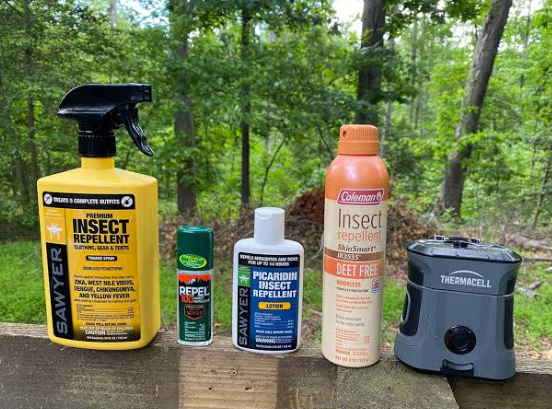
Camping is an amazing way to connect with nature, but pesky mosquitoes can ruin the experience. Choosing the right mosquito repellent is essential not only for comfort but also for protecting against potential diseases. Below, we’ll explore key factors to consider when selecting an effective camping mosquito repellent.
1. Understand the Active Ingredients
When it comes to mosquito repellents, the active ingredients play a crucial role in their effectiveness. DEET, Picaridin, and Oil of Lemon Eucalyptus are some common ingredients found in these products. DEET is widely recognized for its effectiveness, offering long-lasting protection even in areas with high mosquito populations. However, some individuals may prefer alternatives like Picaridin, which is odorless and less greasy.
For those looking for a natural option, Oil of Lemon Eucalyptus provides a plant-based alternative. It has been shown to be effective but generally offers shorter protection time compared to DEET and Picaridin. Understanding the benefits and limitations of these ingredients will help you choose the right repellent for your camping trip.
-
- Research the active ingredients in your repellent.
-
- Consider DEET for long-lasting protection.
-
- Look for Picaridin as a non-greasy alternative.
-
- Check out natural options like Oil of Lemon Eucalyptus.
2. Consider the Duration of Effectiveness
The duration of effectiveness is another crucial factor to consider when choosing a mosquito repellent. Some products only last for a few hours, while others can provide protection for an entire day. If you’re planning an extended camping trip or will be engaging in activities like hiking or fishing, a longer-lasting repellent can save you from continuous reapplication.
Check the product label for the duration of protection and take note of your schedule. If you’ll be outdoors from dawn to dusk, a repellent that lasts for 8-12 hours is ideal. This ensures that you’ll remain protected throughout your adventures without the inconvenience of frequent applications.
-
- Read the label for effectiveness duration.
-
- Choose a repellent lasting at least 8 hours for all-day coverage.
-
- Plan to reapply as necessary based on your activity.
-
- Use repellent with longer-lasting formula for overnight trips.
3. Evaluate Your Skin Type and Sensitivity
Your skin type and personal sensitivities matter when selecting a mosquito repellent. If you have sensitive skin or allergies, you may experience irritation from strong chemicals commonly found in some formulations. In such cases, it’s wise to opt for hypoallergenic repellents or those labeled as safe for sensitive skin. Products with fewer chemical components can reduce the chances of adverse reactions.
Conduct a patch test prior to your trip to see how your skin reacts to the repellent. If you notice any irritation, avoid using that product during your camping adventure. Additionally, consider the age of your camping companions; choose child-friendly options that are safe for younger skin.
-
- Identify your skin sensitivity level before choosing a repellent.
-
- Look for hypoallergenic options if you have sensitive skin.
-
- Conduct a patch test before your trip.
-
- Opt for child-safe repellents for younger campers.
4. Check the Application Type
Repellents come in various forms, including sprays, lotions, and wipes, each with its advantages and drawbacks. Spray repellents are usually the quickest and easiest to apply to larger areas but can sometimes miss spots and require consistent reapplication. Lotions provide thorough coverage but can be greasy and take longer to apply. Wipes can be highly convenient for on-the-go applications but may not last as long.
Consider your camping activities when selecting the application type. For instance, if you’ll be hiking, spray repellents may be quicker for touch-ups. If you’re setting up camp with young children, wipes might be less cumbersome and more controlled. Choose the format that best suits your lifestyle for a smoother camping experience.
-
- Decide on a preferred application type: spray, lotion, or wipes.
-
- Choose sprays for quick applications on large areas.
-
- Opt for lotions in situations needing thorough coverage.
-
- Use wipes for easy, controlled applications, especially for kids.
5. Pay Attention to the Scent
The scent of a mosquito repellent can significantly affect your camping experience. Some people prefer unscented products to avoid attracting other insects or overwhelming their senses. Others might enjoy light, pleasant fragrances that feel refreshing in the great outdoors. Choosing a scent you find pleasant can enhance your overall experience and likelihood of consistent use.
If you’re camping in a particularly bug-infested area, consider opting for a product with a stronger scent as it can deter mosquitoes while being more enjoyable for you. Just be cautious, as strong scents can indicate stronger chemicals, so balance scent preference with ingredient safety.
-
- Consider whether you prefer a scented or unscented product.
-
- Test the scent ahead of time to see if it’s enjoyable.
-
- Be cautious of strong scents attracting other insects.
-
- Prioritize pleasant scents if it encourages more frequent use.
When it comes to choosing a camping mosquito repellent, taking the time to consider these factors will pay off. Whether you prioritize natural ingredients or long-lasting protection, making informed decisions can enhance your camping experience. So get out there, enjoy the great outdoors, and don’t let those pesky mosquitoes ruin your adventure!