
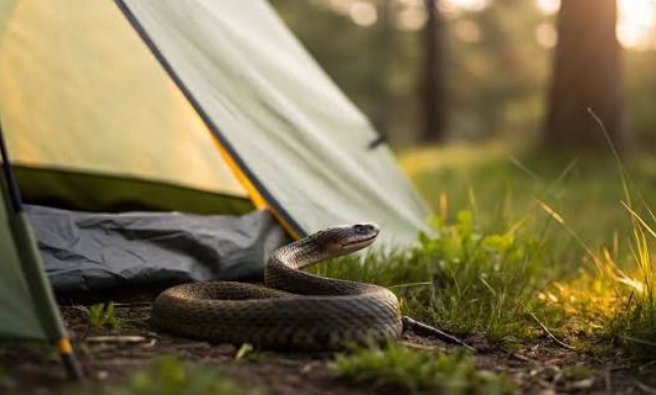
When planning a camping trip, it’s essential to consider all aspects of safety, including potential wildlife encounters. Among the creatures you may encounter, snakes can pose significant risks, especially in certain areas. This brings up an important question: Do you need snake protection gear for camping?
1. Understanding Snake Risks in Camping Areas
Before deciding on protective gear, it’s crucial to understand the risks snakes pose while camping. Certain regions, particularly wooded areas, marshlands, and mountainous regions, are home to venomous snakes such as rattlesnakes, copperheads, and cottonmouths. Knowing the types of snakes native to your camping location can help you assess the risks and decide whether snake protection gear is advisable. For instance, a camping trip in the Great Smoky Mountains may require more caution than a visit to an urban park.
In addition to being aware of local snakes, understanding their behavior reinforces the need for protection. Snakes tend to be more active during warmer months and may appear near water sources, where campers often gather. They often prefer to avoid humans, but accidental encounters can happen, especially in thick brush or during nighttime. Therefore, taking precautionary measures can significantly enhance your safety while enjoying the great outdoors.
-
- Research the types of snakes in your camping area.
-
- Know their active seasons and behavior patterns.
-
- Establish safe zones for setting up your tent and cooking.
-
- Stay alert, especially near water sources and thick vegetation.
2. Types of Snake Protection Gear
Snake protection gear comes in various forms, each designed to minimize the risk of snake bites. Long, thick trousers made of snake-resistant fabric provide ample coverage and protection for your legs. Some campers opt for gaiters, which are worn over pants and extend to cover the lower legs, offering an additional layer of defense against strikes. Footwear such as high-top boots made from snake-proof materials can also be a wise investment, providing increased protection against bites while hiking or walking through tall grass.
Beyond clothing, snake bite kits are essential additions to your camping gear. These kits typically include a suction device, antiseptic wipes, and detailed instructions to aid in emergency situations. Additionally, education on how to identify venomous snakes can provide vital assistance in avoiding encounters altogether. These measures can significantly reduce both risk and anxiety while immersed in nature.
-
- Invest in snake-proof boots and long trousers.
-
- Consider using gaiters for extra lower leg protection.
-
- Carry a snake bite kit on all outdoor expeditions.
-
- Educate yourself about local snake species and their characteristics.
3. Practical Tips for Avoiding Snake Encounters
While wearing protective gear is important, adopting practical tips for avoiding snake encounters is equally beneficial. Make noise while hiking to alert snakes of your presence, giving them a chance to escape. Staying on marked trails not only minimizes your chances of meeting a snake, but it also protects fragile ecosystems and wildlife habitats. If you’re camping in an area known for snakes, try to pitch your tent in well-traveled, clear spots where visibility is high.
Another crucial habit is to conduct thorough inspections of your surrounding area before settling down for the evening. This easy routine can reveal hidden dangers like snake dens or even the snakes themselves. Keeping your campsite tidy and free from food remnants also discourages rodents, which are natural prey for snakes and may attract them to your site.
-
- Make noise when hiking to alert snakes of your presence.
-
- Stick to marked trails and clear areas when setting up camp.
-
- Inspect your campsite for snakes before settling down.
-
- Keep your food contained and campsite clean to avoid attracting wildlife.
4. When to Seek Professional Advice
While many campers can enjoy nature without incident, some situations may warrant consulting professionals for additional safety measures. If you’re planning an extended stay in a high-risk area or if you’re unfamiliar with snake behavior, speaking to local wildlife experts can provide vital insights. They can offer updated information on snake activity in the region and advise on the best protection gear to bring along. Additionally, they may offer guided tours or camps that emphasize safe practices for navigating snake habitats.
Furthermore, if you or someone in your camping party suffers from a snake bite, immediate medical attention is vital. Knowing the proper steps to take during emergencies can save lives and reduce complications. Always keep emergency contacts readily available when venturing into remote areas, as prompt medical response is crucial for snake-related accidents.
-
- Consult local wildlife authorities for snake safety tips.
-
- Consider taking a guided tour if unfamiliar with the area.
-
- Ensure you know local emergency numbers and procedures.
-
- Keep a first aid kit and emergency contact info handy.
In conclusion, while snake encounters can be intimidating, a combination of appropriate gear and awareness can significantly reduce your risk. Whether it’s investing in protective clothing or staying informed about local wildlife, preparation is key. Ensure you prioritize safety during your camping adventures and don’t hesitate to seek professional guidance when needed.