
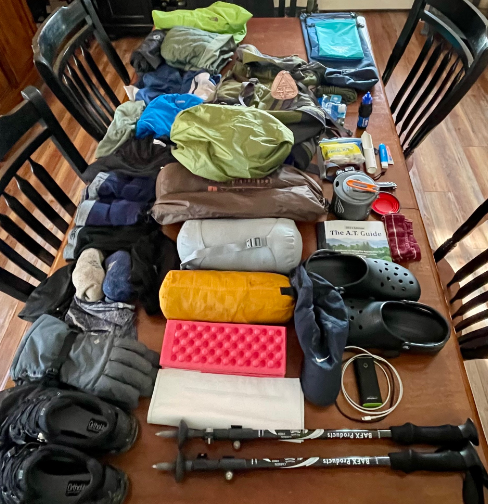
Hiking is a wonderful way to connect with nature, improve your fitness, and enjoy some fresh air. However, as a beginner, it’s essential to equip yourself with the right gear to ensure a safe and enjoyable trek. In this guide, we’ll cover the complete hiking gear essentials for beginners, helping you start your adventure on the right foot.
1. Footwear: The Foundation of Your Hike
Your choice of footwear can make or break your hiking experience. Proper hiking boots or shoes provide the necessary support, traction, and comfort, which are essential for navigating various terrains. When selecting footwear, consider the type of hikes you plan to undertake. For instance, lightweight shoes may suffice for day hikes on well-marked trails, whereas sturdier boots are better suited for rugged paths and long treks.
Make sure to try on several pairs and give them a test walk before committing. Look for features such as waterproof materials, ankle support, and a good grip for stability. Additionally, consider trying them on with the socks you intend to wear while hiking to ensure a comfortable fit.
-
- Invest in quality hiking shoes or boots with good support.
-
- Try them on with your hiking socks for a better fit.
-
- Look for waterproof options if you’ll be hiking in wet conditions.
-
- Break in your footwear before a long hike.
-
- Consider traction level based on your hiking environment.
2. Clothing: Layering for Comfort
Choosing the right clothing is crucial for staying comfortable during your hike, and layering is key. Start with a moisture-wicking base layer that keeps sweat away from your skin, followed by an insulating layer (like a fleece) for warmth, and a waterproof or windproof outer layer to protect against weather changes. Always check the forecast to choose your layers wisely, and be prepared for variable conditions.
Choose fabrics that are breathable and quick-drying to improve your overall experience. Avoid cotton, as it retains moisture, making you cold and uncomfortable. Additionally, consider wearing convertible pants that can easily become shorts for temperature changes along your route.
-
- Opt for moisture-wicking bases and insulating layers.
-
- Avoid cotton; choose synthetic or wool fabrics.
-
- Consider multi-functional clothing, like convertible pants.
-
- Pack an extra layer in case of sudden temperature changes.
-
- Wear a hat and sunglasses for sun protection.
3. Hydration and Nutrition: Staying Energized
Staying hydrated and energized is vital during your hike. Always carry enough water, aiming for at least half a liter for shorter hikes and up to two liters for longer journeys. Hydration packs or water bottles are both convenient options, but make sure they’re easy to access. Don’t forget to consider electrolyte beverages or tablets for prolonged hikes, as they can help replenish lost nutrients.
As for nutrition, pack lightweight and energy-dense snacks. Trail mix, granola bars, and jerky are excellent choices that require minimal preparation. A well-balanced lunch can also be beneficial, but keep it lightweight. Remember to eat regularly to maintain energy levels and prevent fatigue.
-
- Carry at least half a liter of water for shorter hikes.
-
- Choose lightweight, energy-dense snacks like trail mix.
-
- Consider hydration packs for easy access to water.
-
- Pack electrolyte options for long hikes.
-
- Eat small snacks regularly to maintain energy.
4. Navigation and Safety: Essential Tools
Your navigation tools are essential for both safety and enjoyment during your hike. Whether you choose a good, old-fashioned map and compass or a GPS device, being able to navigate your trail is fundamental. Familiarize yourself with your route before starting, and consider downloading a hiking app that can help you track your route and find nearby trails.
In addition to navigation, safety tools like a first aid kit, whistle, and multi-tool are important. A basic first aid kit can address minor injuries like cuts and blisters, while a whistle can signal for help in emergencies. Don’t forget to inform someone about your hiking plans, particularly if you’re venturing into less-traveled areas.
-
- Familiarize yourself with your trail using maps or apps.
-
- Add a whistle to your gear for emergencies.
-
- Always carry a basic first aid kit during hikes.
-
- Consider GPS devices if you’re hiking in remote areas.
-
- Inform someone about your hiking plans beforehand.
As you gear up for your first hike, remember that preparation is essential. Equip yourself with the appropriate footwear, clothing, hydration supplies, and navigation tools, and you’ll be on your way to an enjoyable hiking experience. Take the next step in your adventure by consulting with experienced hikers or outdoor experts to further refine your gear and skills.