
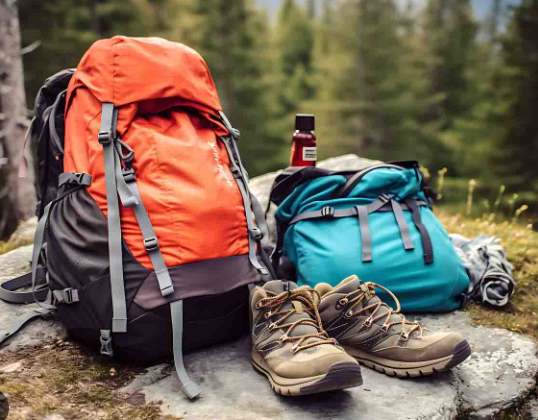
Whether you’re a seasoned adventurer or a casual weekend walker, having the right hiking gear can make all the difference in your experience on the trails. Not only does the right equipment enhance your comfort and safety, but it also allows you to fully enjoy the beauty of nature. This post will cover essential hiking gear that every hiker should consider before hitting the trails.
1. Sturdy Footwear
Your feet are your primary means of getting around, so investing in a good pair of hiking boots or shoes is crucial. Hiking shoes should provide ample support and traction, protecting you from slipping on rocks or uneven terrain. Look for footwear that offers a balance between rigidity for stability and flexibility for comfort. Brands like Merrell, Salomon, and Columbia often have options that cater to various hiking needs.
In addition to selecting the right boots, it’s important to consider your hiking socks. High-quality, moisture-wicking socks can help prevent blisters and keep your feet dry throughout your hike. Many hikers also recommend breaking in new shoes before embarking on long treks to ensure optimal fit and reduce the risk of discomfort.
-
- Choose footwear appropriate for the hiking terrain.
-
- Consider getting waterproof options if hiking in wet conditions.
-
- Always wear moisture-wicking hiking socks.
-
- Break in new boots before long hikes.
-
- Ensure a proper fit; there should be enough room to wiggle your toes.
2. Backpack and Hydration System
A reliable backpack is essential for any hiking trip as it holds all your gear and supplies. Look for a daypack or a multi-day backpack with adequate space, compartments, and a comfortable fit. The design should distribute weight evenly across your back to avoid strain. Features like padded shoulder straps, a hip belt, and adjustable sternum straps can significantly enhance comfort when carrying loads.
Hydration is just as important, especially on long hikes. Many hikers opt for water bladders or hydration packs, which allow for hands-free drinking. Alternatively, you can carry water bottles, but ensure your pack has easy-access pockets for convenience. Remember to plan your trip around water sources or carry enough to last the entire hike.
-
- Select a backpack with appropriate storage capacity.
-
- Choose a hydration system that suits your hiking style.
-
- Ensure your bag has external pockets for easy access to water.
-
- Stay hydrated throughout your hike; aim for 2-3 liters of water.
-
- Consider carrying water purification tablets if hiking in remote areas.
3. Clothing Layers
When it comes to hiking, clothing can greatly impact your comfort and enjoyment. The key is to dress in layers, allowing you to easily adapt to changing weather conditions. Start with a moisture-wicking base layer to keep sweat away from your skin, a sometimes overlooked yet crucial item for maintaining comfort on longer hikes. Next, add an insulating layer, such as fleece, to maintain warmth, and finish with an outer shell that can protect against wind, rain, and other elements.
Don’t forget about accessories such as hats, gloves, and buff neckwear, especially if you’re hiking in cooler climates. These items might seem minor but can make a big difference in overall comfort and protection from the elements. Always check the weather ahead of time to make necessary adjustments to your wardrobe before the hike.
-
- Use moisture-wicking materials for base layers.
-
- Invest in a packable, waterproof shell jacket.
-
- Layer up or down based on weather conditions.
-
- Consider merino wool for insulation and temperature control.
-
- Bring along accessories for sun or cold protection.
4. Navigation and Safety Tools
Navigating unfamiliar trails can be challenging, so having the right tools is essential for safety. A good-quality map and compass should be staple items in your pack, even if you plan to use a GPS device or an app on your smartphone. Always familiarize yourself with the route and terrain before setting out, as technology can sometimes fail in remote areas.
Additionally, it’s wise to carry a first aid kit and be familiar with its contents. You never know when you might need supplies for a scrape or a more serious injury. Also, consider having a multi-tool or a reliable knife, which can come in handy for various situations from food preparation to repairs.
-
- Always carry a physical map and compass, even if you use GPS.
-
- Plan your route in advance and share it with someone.
-
- Invest in a quality first aid kit tailored for hiking.
-
- Consider a whistle for emergency signaling.
-
- Familiarize yourself with basic first aid procedures.
5. Food and Energy Supplies
Having adequate food supplies can keep your energy levels high during hikes. Pack nutrient-rich snacks that are lightweight and easy to carry. Items like trail mix, energy bars, jerky, and dried fruits are excellent options. They provide the necessary fuel to keep you going without taking up too much space in your backpack.
Plan for meals if you’re out for longer excursions. Foods that are easy to prepare, such as freeze-dried meals or instant oatmeal, can save time and hassle at meal breaks. Always consider the weight and bulk of your food choices to ensure your pack remains manageable.
-
- Include a mix of carbohydrates, protein, and fats in your snacks.
-
- Choose lightweight, high-energy foods that are easy to prepare.
-
- Carry enough snacks for the duration of your hike, plus extras.
-
- Keep some energy gels or chews handy for quick energy boosts.
-
- Consider dietary restrictions when planning meals and snacks.
Purchasing the right hiking gear can significantly enhance your outdoor experience, ensuring both safety and enjoyment. Before heading out, take a moment to review your checklist and prepare adequately for your adventure. The beauty of nature awaits—gear up and get ready to explore!