
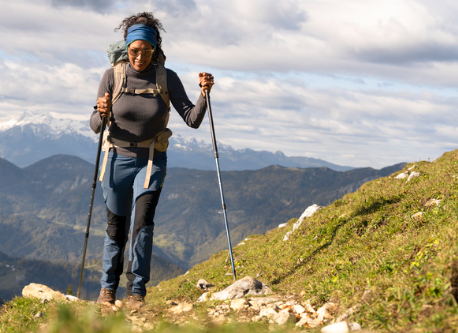
Hiking can be a rewarding adventure, but having the right gear is crucial for both safety and enjoyment. Whether you’re a first-time hiker or a seasoned pro, understanding the essentials of hiking gear will make your experience much more comfortable and enjoyable.
1. Footwear: The Foundation of Your Hike
The right footwear can make or break your hiking experience. Hiking boots or shoes should fit well, provide necessary support, and offer adequate traction for both flat trails and uneven terrain. Pay attention to the materials; leather is durable but requires a break-in period, while synthetic materials are lightweight and often waterproof.
Don’t forget about socks! A good pair of moisture-wicking hiking socks can prevent blisters and keep your feet dry. Consider choosing socks with cushioning for added comfort, especially on longer hikes. Don’t overlook the importance of lacing techniques; adjusting laces can help secure your foot for better stability on tricky paths.
-
- Try on boots/socks and walk around to check comfort.
-
- Consider the terrain when selecting footwear type.
-
- Break in new shoes before a long hike.
-
- Pack a pair of blister pads for emergencies.
2. Clothing: Dress for Success
Your clothing choice is vital for comfort and safety while hiking. Layering is crucial; start with a moisture-wicking base layer to keep sweat away from your skin, add an insulating layer like fleece for warmth, and finish with a waterproof shell to protect against rain and wind. The weather can change quickly, so being prepared is essential.
Don’t forget about accessories. Hats and gloves can provide additional warmth, while hydration packs with built-in insulation can keep drinks cool. Also, consider UV-protective clothing if you’re hiking in areas with high sun exposure to reduce the risk of sunburn.
-
- Wear layers for temperature control.
-
- Choose breathable, moisture-wicking fabrics.
-
- Always check weather conditions before heading out.
-
- Pack an extra layer in case of sudden weather changes.
3. Daypacks: Carrying Your Essentials
A well-designed daypack can enhance your hiking experience by keeping all your essentials organized and easily accessible. Look for a pack that’s comfortable with padded shoulder straps and a hip belt for weight distribution. Size matters too; a 20-30L pack is usually sufficient for day hikes, while longer hikes may require larger packs.
Organize your pack with compartments for various gear. Keep your water reservoir or water bottles accessible, and consider using the outer pockets for snacks, maps, or other frequently used items. Don’t overload your pack; this can lead to fatigue and discomfort, negatively impacting your hike.
-
- Choose a pack that fits your body size and shape.
-
- Organize compartments for easy access to gear.
-
- Ensure water bottles/removable bladders are reachable.
-
- Avoid overpacking to reduce strain.
4. Navigation and Safety Gear: Be Prepared
Having proper navigation gear is essential to ensure you stay on track. A good map, compass, or GPS device can help you navigate unfamiliar trails effectively. It’s wise to download maps and plan your route beforehand, paying attention to trail markers and signs.
Safety gear is equally important. A first aid kit can treat minor injuries, while a multi-tool can be handy for various situations like gear repairs. If you’re hiking in remote areas, consider bringing a whistle, whistle or personal locator beacon for emergencies to signal for help should you need assistance.
-
- Carry a detailed map and learn how to read it.
-
- Invest in a reliable GPS or compass for navigation.
-
- Pack a comprehensive first aid kit.
-
- Consider a whistle or beacon for safety emergencies.
5. Hydration and Nutrition: Fuel Your Adventure
Staying hydrated is crucial for maintaining energy and preventing dehydration during your hike. Carry enough water for the entire hike, considering factors like temperature and terrain. A hydration bladder in your daypack can be convenient for hands-free drinking, while water bottles can be easier to refill if you’re passing by natural water sources.
Nourishing yourself is equally important; snacks such as nuts, energy bars, or dried fruit can provide the necessary fuel to keep you going. Plan for at least 100-200 calories per hour during hikes, and make sure to take breaks to refuel and hydrate regularly.
-
- Carry at least two liters of water for a day hike.
-
- Bring a portable water filter if hiking in areas with streams.
-
- Pack energy-dense snacks for a quick energy boost.
-
- Monitor hydration levels and drink before feeling thirsty.
With the right hiking gear, you can elevate your outdoor experiences and ensure your safety and comfort on the trails. Take some time to assess what gear you need and don’t hesitate to invest in quality items that will serve you well on your adventures. Happy hiking!