
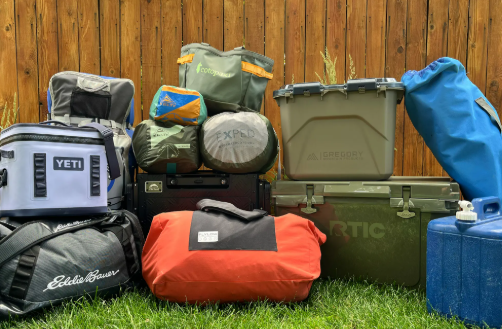
Camping is a fantastic way to connect with nature, unwind from daily routines, and spend quality time with loved ones. However, the key to a successful camping trip is having the right equipment. If you’re just starting out, knowing what to buy can be overwhelming. This guide will help simplify your shopping list with essential camping gear.
1. Tent and Sleeping Gear
Your camping experience begins with a good night’s sleep, making a reliable tent a top priority. Choose a tent based on the number of people it needs to accommodate, the type of terrain you’ll be camping on, and the season. For example, three-season tents are great for spring, summer, and fall, while four-season tents provide better insulation for winter camping. Don’t forget to consider features like waterproofing, ease of setup, and ventilation, which can enhance your comfort.
Beyond the tent, you need a solid sleeping setup. Sleeping bags vary greatly in terms of insulation, size, and weight. Choose one rated for the temperatures you expect to encounter, considering both the lower and upper limits. Additionally, a sleeping pad can provide insulation from the cold ground and extra comfort, making it an essential addition to your sleeping gear.
-
- Choose a tent based on size, seasonality, and ease of setup.
-
- Look for a sleeping bag rated for temperatures you may encounter.
-
- Invest in a quality sleeping pad for added comfort.
-
- Consider a tent footprint to protect the bottom of your tent.
2. Cooking and Food Supplies
When it comes to cooking while camping, having a portable cooking system can revamp your outdoor culinary experience. A camping stove is an essential piece of equipment that allows you to boil water, cook meals, and brew coffee. You can opt for a dual-burner stove for larger groups or a compact stove for solo adventures. Don’t forget to pack fuel canisters specifically designed for your stove, as they are part of the cooking equation.
In addition to your cooking setup, investing in insulated food containers or coolers is essential for keeping perishable items fresh. Ensure you’re equipped with lightweight cookware, such as pots, pans, and utensils. Stash some non-perishable food items, like granola bars, nuts, or dehydrated meals, for quick snacks or easy lunches on the go.
-
- Select a camping stove that meets your cooking style and group size.
-
- Pack appropriate fuel canisters for your stove.
-
- Use insulated food containers to keep perishables fresh.
-
- Include a selection of non-perishable snacks for convenience.
3. Personal Navigation and Safety Gear
Navigation is crucial while exploring the great outdoors. Investing in a reliable map and compass, or a GPS device, can prevent you from going off the trails. Remember to review the area where you’ll be camping and familiarize yourself with the route. Electronic devices must be charged, so consider a portable power bank if you’ll rely on them for navigation.
Your safety gear should also include a first-aid kit tailored to your needs. It should contain essentials like adhesive bandages, antiseptic wipes, and any personal medications. Additionally, consider adding items like a whistle, a multi-tool, and a flashlight or headlamp with durable batteries. These items can be lifesavers in emergencies, ensuring your camping trip remains enjoyable and safe.
-
- Carry a trusted map and compass or GPS for navigation.
-
- Review your route and familiarize yourself with the area.
-
- Assemble a personal first-aid kit with essential supplies.
-
- Include tools like a flashlight, multi-tool, and whistle for emergencies.
4. Clothing and Outdoor Gear
Choosing the right clothing is essential for staying comfortable during your camping trip. Aim for moisture-wicking fabrics that can handle temperature fluctuations while keeping you dry. Layering is an effective strategy; wear a base layer for warmth, an insulating layer for chilly nights, and a waterproof jacket for unexpected rain. Don’t forget a hat and a pair of sunglasses to shield you from the sun.
In addition to clothing, sturdy hiking boots are vital for navigating uneven terrains. Make sure they are well-fitted and have a good grip to help prevent slips and injuries. Depending on your preference, you might want to invest in trekking poles to provide extra support on rugged trails.
-
- Wear moisture-wicking fabrics suitable for layering.
-
- Invest in a good-quality waterproof jacket.
-
- Choose reliable hiking boots that fit well.
-
- Consider using trekking poles for extra support on trails.
5. Miscellaneous Comfort Items
Comfort items may not seem essential, but they can significantly enhance your overall camping experience. Consider packing items like portable chairs or hammocks where you can relax after a long day of hiking. A lightweight blanket can add comfort during chilly evenings around the campfire.
Also think about entertainment options, like a good book or card games, especially for nights at the campsite. Don’t underestimate the value of small luxuries like a camping shower or portable toilet for long trips—these conveniences can make your outdoor adventure more enjoyable.
-
- Pack portable chairs or a hammock for added comfort.
-
- Bring along a lightweight blanket for chilly nights.
-
- Include entertainment items like books or card games.
-
- Consider small luxuries like a camping shower for comfort.
Embarking on a camping adventure can be both exciting and daunting, especially when it comes to purchasing the right gear. By starting with these essential items, you’ll set yourself up for a successful outing into the wilderness. Now, gather your list, do some research, and get ready to enjoy the great outdoors!