
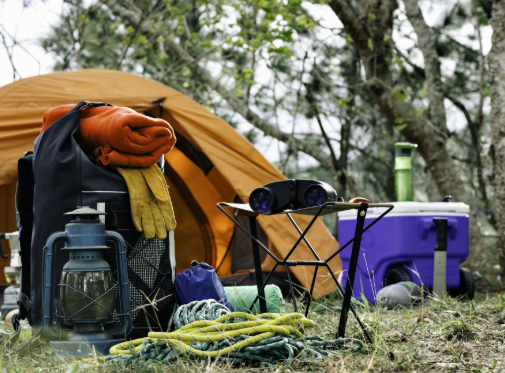
Planning a camping trip can be both exciting and overwhelming, especially when it comes to selecting the right equipment. Not having the right gear can lead to a less enjoyable experience, or worse, can put your safety at risk. Here are some common camping equipment mistakes to avoid to ensure you have a successful outdoor adventure.
1. Skipping Gear Checks
One of the most critical mistakes many campers make is failing to thoroughly check their gear before heading out. It’s not enough to just have items packed; you need to ensure everything is in working order. For instance, check your tent for holes, ensure that zippers work smoothly, and verify that your sleeping bag is clean and intact. Imagine arriving at your campsite only to find a broken tent pole or a sleeping bag filled with holes; it’s a surefire way to ruin your trip.
In addition to physical checks, reviewing the compatibility of your camping equipment is essential. For example, not every tent fits all camping stoves, so make sure your cooking gear aligns with your tent’s setup. Familiarizing yourself with your equipment will make setting up and dismantling at the campsite much easier, allowing for a more enjoyable outdoor experience.
-
- Inspect all gear for wear and tear.
-
- Test functionality of stoves, lanterns, and other equipment.
-
- Read the user manuals if available.
-
- Ensure all necessary accessories (like tent stakes) are included.
2. Overpacking or Underpacking Essentials
Finding the right balance between overpacking and underpacking can be challenging for novice and seasoned campers alike. Overpacking leads to heavy backpacks that can cause physical strain and make your hike much less enjoyable. On the other hand, underpacking can leave you without crucial items, leading to discomfort or safety issues. Take a careful look at your itinerary to determine what you’ll genuinely need for your trip duration. For example, if you’re going for two days, packing three pairs of shoes is excessive.
To avoid both extremes, make a detailed checklist of essential items and stick to it. Consider each item’s utility and weight; prioritize multipurpose tools like a Swiss Army knife, which can minimize the number of items you need to carry. Always remember that lightweight options – like dehydrated meals – can save packing space and weight without sacrificing nutrition.
-
- Create a comprehensive packing list ahead of time.
-
- Assess the duration and conditions of your trip carefully.
-
- Include lightweight, multipurpose items.
-
- Leave behind non-essentials, like extra clothing.
3. Neglecting Weather Preparations
Outdoor conditions can change swiftly, making it essential for campers to stay informed and prepared for any weather scenario. Many people make the mistake of only checking the forecast right before they leave and forget about the unpredictability of nature. For instance, a sunny weekend can quickly shift to a rainy one, and without proper waterproof gear, you might find yourself wet and cold.
When planning, it’s a good idea to pack for all weather conditions. This includes layers for warmth, waterproof jackets, and quick-dry materials. Investing in portable weather gear, like a lightweight rain poncho or sturdy thermal layers, can be a lifesaver. Make sure to check forecasts regularly, and have a backup plan so that you aren’t left scrambling for shelter in case of sudden weather changes.
-
- Review weather conditions leading up to your trip.
-
- Pack extra layers, even in warmer seasons.
-
- Include waterproof gear regardless of forecasts.
-
- Plan for alternative activities in case of bad weather.
4. Ignoring Food and Water Planning
No camping trip is complete without proper sustenance, yet many campers overlook the importance of planning for food and water. Forgetting to bring enough water can lead to dehydration, especially during hikes or strenuous activities. On top of that, not accounting for adequate cooking equipment could result in finding yourself without a way to prepare meals, which can be frustrating and stressful.
When planning meals, aim for balanced offerings that include proteins, carbs, and healthy fats, and don’t forget about snacks for extra energy. Pre-packaged, lightweight meals are great for camping; however, they do need to be organized to make cooking easy. For hydration, consider bringing a portable water filter or purification tablets if you plan on sourcing water from nature, as well as sufficient refillable water bottles.
-
- Plan your meals to include a variety of nutrients.
-
- Pack extra snacks for hikes and activities.
-
- Bring a reliable water filtration system.
-
- Know the source of water near your campsite.
Camping trips can be thrilling adventures that bring us closer to nature, but failing to prepare adequately can detract from the experience. By avoiding common equipment mistakes, you can ensure a safer, more enjoyable time outdoors. Before your next trip, reflect on these tips and check your gear to embark on an adventure that’s worry-free and full of fun!