
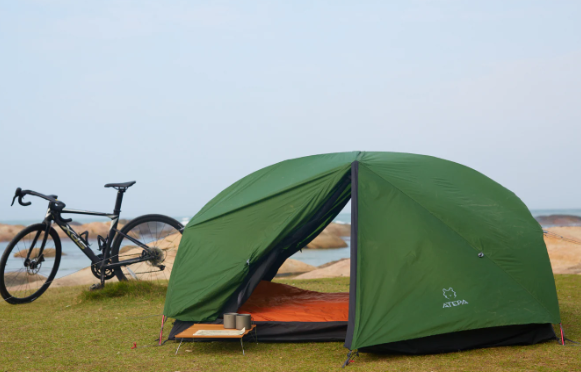
When it comes to outdoor adventures, a waterproof camping tent is an essential piece of gear. It protects you from unpredictable weather, ensuring your comfort and safety. Choosing the right tent can transform a rainy camping experience into a memorable one.
1. Understanding Waterproof Ratings
Waterproof camping tents come with specific ratings, measured in millimeters, which indicate how much water pressure the fabric can withstand. For instance, a tent with a rating of 1500mm can handle moderate rain, while those rated above 3000mm are considered highly waterproof. When choosing a tent, it’s crucial to look for this rating to ensure it suits the climate in which you plan to camp.
Besides the fabric, consider the seams and zippers, as they are vulnerable points where water can easily seep in. High-quality tents usually feature taped seams and waterproof zippers, which significantly enhance their durability and waterproof capabilities. Therefore, don’t just focus on the tent fabric; make sure the whole assembly is designed to withstand wet conditions.
-
- Check the waterproof rating, aiming for over 3000mm for heavy rain.
-
- Inspect seams for tape sealing; poor quality can lead to leaks.
-
- Consider getting a tent with waterproof zippers for extra protection.
-
- Research user reviews for real-life waterproof performance insights.
2. Tent Materials Matter
The material of your tent plays a significant role in its waterproof capabilities. Common materials include nylon and polyester, each with their strengths. Nylon is lighter and generally stronger, making it a favorite among backpackers, but it can be more expensive. Polyester, on the other hand, is more affordable and UV resistant, though heavier.
Another critical aspect is the tent’s coating. Tents often come with a polyurethane (PU) or silicone coating that improves water resistance. PU coatings are common but can degrade over time, while silicone coatings offer superior performance and durability. When shopping, ensure that the tent promises longevity, especially if you expect to camp frequently in rainy conditions.
-
- Select nylon for lightweight and durable options.
-
- Look for silicone-coated tents for long-lasting waterproof quality.
-
- Consider UV resistance, especially if camping in sunny conditions.
-
- Check if the material is breathable to reduce condensation.
3. Essential Features to Look For
When purchasing a waterproof camping tent, certain features can make your experience more comfortable. A good tent should have a rainfly, which acts as an extra layer to deflect rain. Some tents even feature vestibules to store gear without compromising interior space, keeping your belongings dry and organized.
Storage pockets and gear lofts are also practical additions. They help keep your belongings tidy and within reach while maximizing floor space. Look for tents with adequate ventilation options as well, like mesh panels, which can help prevent moisture buildup inside the tent.
-
- Ensure your tent comes with a rainfly for optimum protection.
-
- Check for interior pockets and lofts for organization.
-
- Look for vestibules for additional storage space.
-
- Choose a tent with good ventilation to mitigate condensation.
4. Maintenance and Setup Tips
Proper maintenance of your waterproof tent can significantly extend its lifespan. Always clean and dry your tent thoroughly after use, especially if it has been exposed to wet conditions. Storing your tent when damp can lead to mold and mildew, which can compromise its waterproof features.
Additionally, practicing your setup and takedown process at home can save you time and frustration in the field. Familiarizing yourself with your tent can help you quickly and effectively set it up, even in the rain. Make sure to stake down the tent securely to prevent wind damage, and use guylines to stabilize it in adverse weather conditions.
-
- Always clean and dry your tent before storage.
-
- Practice setting up your tent at home to save time in the field.
-
- Securely stake down your tent, especially in windy conditions.
-
- Inspect and replace damaged parts, such as poles and zippers, regularly.
Choosing the perfect waterproof camping tent requires thoughtful consideration of various factors, from materials and waterproof ratings to essential features and upkeep. By investing your time in selection and maintenance, you’ll be better prepared for your outdoor adventures, rain or shine. Start your tent journey today, and embrace the joys of camping!