
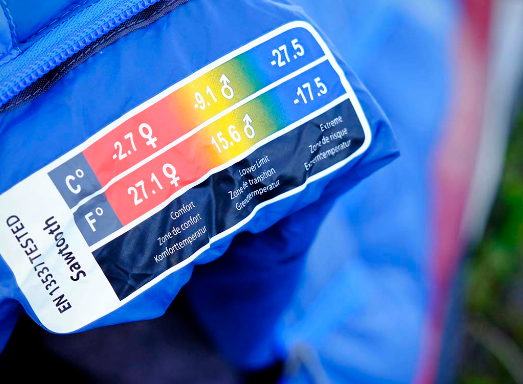
Choosing the right sleeping bag temperature rating is essential for a comfortable camping experience. Understanding these ratings can make a significant difference between a good night’s sleep and a sleepless, shivering night. Let’s dive into the details of sleeping bag temperature ratings and how to choose the perfect bag for your adventures.
1. Understanding Temperature Ratings
Temperature ratings for sleeping bags indicate the range of temperatures in which the bag will keep you warm. These ratings are typically expressed in degrees Fahrenheit or Celsius, and they provide a general guideline for how the sleeping bag performs in different conditions. A sleeping bag rated for 20°F (-6°C) is designed to keep you warm at or above that temperature, but individual comfort levels can vary based on factors like insulation type and user metabolism.
It’s important to note that most manufacturers use standards set by the EN (European Norm) or ISO (International Organization for Standardization) when determining these ratings. The EN rating, for example, typically includes a “comfort limit” for women and a “lower limit” for men, making it more user-specific. Therefore, when choosing a bag, consider these standards and how they apply to your personal warmth preferences.
-
- Check if the sleeping bag has EN or ISO ratings.
-
- Consider your personal warmth preferences or sensitivities.
-
- Understand that ratings may vary between manufacturers.
-
- Look for bags with a broader temperature range for versatility.
2. Types of Insulation and Their Impact on Warmth
Sleeping bags can be filled with either synthetic or down insulation, and this choice significantly affects warmth and temperature ratings. Generally, down insulation is lighter and offers better compressibility, making it easy to pack. However, down loses its insulating properties when wet, while synthetic insulation continues to provide warmth even in damp conditions, making it a better option for wet climates.
The insulation type also influences the temperature rating. For example, a down bag rated for 20°F may be warmer and lighter than a synthetic bag at the same rating. It’s crucial to assess where and when you’ll be camping to choose the best insulation type for your adventure.
-
- Compare warmth-to-weight ratios between down and synthetic bags.
-
- Choose down for dry, cool conditions; synthetic for wet or humid climates.
-
- Consider packability if you’re hiking long distances.
-
- Research different brands for the best insulation quality.
3. Seasonal Ratings and Choosing the Right Bag
Sleeping bags are often categorized by seasons, which correspond to their insulation levels and temperature ratings. A summer sleeping bag, for instance, will have a rating of around 35°F (1.5°C) and is ideal for warm-weather camping. Conversely, a winter sleeping bag will be rated at 0°F (-18°C) or lower, designed to withstand colder conditions.
Knowing the seasons helps in selecting the right bag for your needs. If you regularly camp in varying seasons, consider bags with a versatile rating or investing in multiple bags suited for specific conditions. A three-season bag is a popular choice for those who enjoy spring, summer, and fall camping, offering a balance of warmth and packability.
-
- Identify the types of climates you’ll be camping in.
-
- Consider having a spring/summer bag and a winter bag for versatility.
-
- Check for convertible bags that adjust to different climates.
-
- Keep in mind the potential for cold nights even in summer.
4. Factors Affecting Personal Warmth
While temperature ratings can guide your choice, personal factors significantly impact how warm you feel. Your body type, metabolism, age, and even gender can influence your comfort level in a sleeping bag. For instance, women generally feel colder than men in similar conditions, so it may be beneficial to opt for bags with specific gender ratings or extra insulation.
Additionally, your sleeping setup can also affect warmth. Using a sleeping pad can insulate you from cold ground temperatures, while wearing appropriate clothing to bed can help keep you warm. Experimenting with these factors can make a notable difference in your overall comfort while camping.
-
- Assess your body’s natural temperature preferences.
-
- Layer your clothing for optimal warmth while sleeping.
-
- Try different sleeping pad materials for insulation.
-
- Test different setups in various weather conditions.
In conclusion, understanding sleeping bag temperature ratings can significantly enhance your camping experience. By considering insulation types, personal warmth factors, and seasonal needs, you can ensure a cozy night’s sleep under the stars. Prepare yourself with the right bag, and you’ll be ready for any adventure that comes your way!