
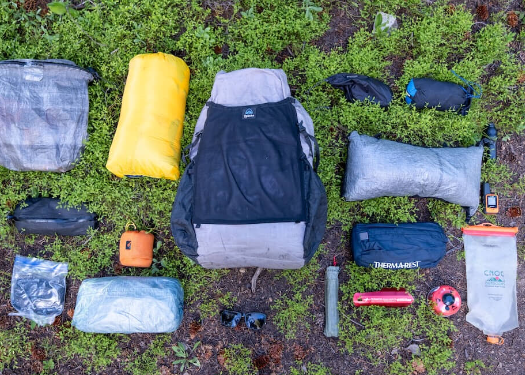
Camping can be an incredible adventure, offering a way to escape the hustle and bustle of daily life. However, carrying bulky gear can be exhausting and counterproductive. In this guide, we will explore how to choose lightweight camping equipment that enhances your experience without weighing you down.
1. Choosing the Right Tent
The tent is often the heaviest item in your camping gear, making it essential to choose wisely. Lightweight tents typically use materials like silicone nylon or polyester, which offer a good strength-to-weight ratio. Consider options like a one or two-person tent if you are camping solo or with a partner. These models can save significant weight without compromising on shelter.
When selecting a tent, pay attention to its seasonal rating and water resistance. A three-season tent handles decent weather, while a four-season model is better for harsher environments. Look for features such as mesh panels for ventilation and a quick setup design, which can enhance comfort and functionality during your trip.
-
- Opt for a tent designed for 2-3 people, even for solo camping.
-
- Look for lightweight materials like silicone nylon.
-
- Ensure the tent has a good water resistance rating.
-
- Consider additional features like vestibules for gear storage.
2. Selecting Lightweight Sleeping Gear
Your sleeping gear plays a crucial role in making your camping experience enjoyable. Lightweight sleeping bags made from synthetic or down materials are highly recommended since they provide warmth without added bulk. Pay attention to the temperature rating of the bag; choosing one suited for the conditions you’ll encounter ensures you stay cozy while keeping the weight down.
In addition to sleeping bags, consider lightweight sleeping pads. Inflatable pads often pack down small and offer excellent insulation, making them great companions for a good night’s sleep. Many ultra-light models are available that weigh under a pound but still provide the comfort needed for restful sleep in the great outdoors.
-
- Choose a sleeping bag with a temperature rating suited for your trip.
-
- Use an inflatable sleeping pad to save space and weight.
-
- Consider a sleeping quilt as an alternative to traditional bags.
-
- Invest in a compression sack to pack your sleeping gear efficiently.
3. Cooking Gear: Lightweight Options
Preparing meals in the wilderness doesn’t require heavy equipment. Lightweight camping stoves, such as canister stoves, are compact and efficient, allowing for quick meal preparation. Look for models that allow for multi-fuel options or those that are designed for backcountry cooking, as these tend to be user-friendly and versatile.
In addition to stoves, lightweight cookware made from titanium or aluminum offers excellent heat conduction without adding heft to your pack. A simple cook set, including a pot, pan, and utensils, can often be carried within the same nested system to save space. Remember to pack only necessary items to keep your cooking setup lightweight and functional.
-
- Choose a canister stove that’s compact and easy to use.
-
- Opt for nested cookware to save space in your pack.
-
- Carry lightweight utensils made from durable materials.
-
- Plan meals in advance to minimize cooking gear.
4. Clothing: Layering for Lightweight Travel
Wearing the right clothing can significantly impact your comfort during camping. Opt for lightweight, moisture-wicking fabrics that can be easily layered. Look for quick-drying materials like merino wool or synthetic blends that keep you warm even when damp. Lightweight down jackets can serve as excellent insulation without taking up much space in your pack.
Additionally, bring clothing that can serve multiple purposes. For example, a pair of zip-off pants can transition from long to short while allowing for adaptability to changing temperatures. Accessories like a lightweight buff or multifunctional headwear can also be beneficial in various situations, serving as sun protection, face covering, or even a makeshift towel.
-
- Invest in moisture-wicking, quick-drying materials.
-
- Layer your clothing for adaptivity and comfort.
-
- Choose versatile clothing that can serve multiple functions.
-
- Pack lightweight accessories for added protection.
5. Essentials: Navigation and Safety Gear
While it’s easy to overlook navigation and safety gear, lightweight options can enhance your camping experience significantly. Instead of bulky maps, consider downloading offline maps on your smartphone paired with a lightweight power bank to keep your device charged. Compact navigational tools like a GPS device or a lightweight compass can ensure you stay oriented without extra weight.
In terms of safety, investing in a lightweight first aid kit and a small multitool can be crucial. These items won’t add much weight to your gear but can provide significant assistance in emergencies. Consider including a whistle or a compact flashlight, both of which can be vital for signaling help if needed.
-
- Download offline maps to reduce reliance on physical maps.
-
- Use a lightweight GPS device for accurate navigation.
-
- Include a compact first aid kit in your gear.
-
- Carry a multitool for various purposes while camping.
Lightweight camping equipment significantly enhances your outdoor experience, making it easier to explore and enjoy nature. Carefully consider the items you pack to ensure a balance of function, comfort, and weight. Take the next step by preparing for your next adventure, and you’ll be amazed at how fulfilling lightweight camping can be!