
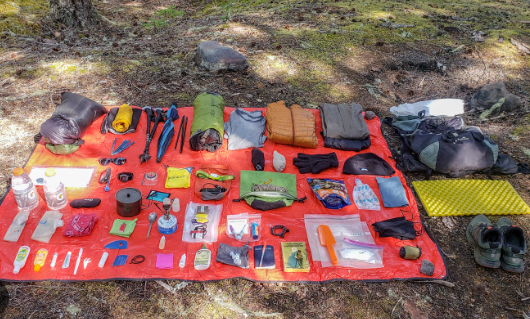
Planning for a backpacking trip can be daunting, especially when it comes to organizing your camping gear. Having a well-thought-out checklist ensures you don’t forget essential items that could make or break your adventure. Below, we’ll guide you through a comprehensive camping equipment checklist to prepare you for an unforgettable experience in nature.
1. Shelter and Sleeping Gear
Your shelter is your home in the wilderness, and choosing the right tent, sleeping bag, and sleeping pad is crucial. A lightweight tent that can withstand the elements is key, as it provides protection from rain, wind, and insects. Look for tents designed for backpacking; they’re usually compact and easy to set up. For your sleeping bag, consider the temperature rating suitable for your destination and ensure it offers a balanced warmth-to-weight ratio.
Along with the tent and sleeping bag, a comfortable sleeping pad can dramatically improve your sleep quality on the trail. An inflatable pad offers great insulation and comfort without adding too much weight. Some people also prefer a bivy sack for ultralight trips, which provides minimal coverage and packs down to almost nothing. Make sure to check the weather before you head out, as that will influence your choices.
-
- Choose a tent according to the number of occupants and their comfort.
-
- Opt for a sleeping bag that fits your size and temperature needs.
-
- Consider different types of sleeping pads: self-inflating, air, or closed cell.
-
- Practice setting up your tent before your trip.
2. Cooking and Food Supplies
Food can be one of the most enjoyable aspects of your backpacking trip, so having the right cooking gear is essential. A compact camp stove will allow you to prepare meals with ease, and fuel canisters are vital for those lightweight stoves. Consider meal options that are lightweight and nutrient-dense, such as dehydrated meals or freeze-dried fruits and vegetables, which can make any trail meal satisfying.
In addition to cooking equipment, don’t forget utensils like a pot or pan, a spatula, and a mess kit. A lightweight cooler can also keep perishables fresh for a few days. For quick meals, snacks like trail mix, energy bars, and nut butter packets are not only nutritious but also portable. Consequently, proper food storage is critical to prevent contamination from wildlife, so pack resealable bags for snacks and a bear canister if you’re in bear country.
-
- Pack only lightweight, easy-to-cook foods.
-
- Bring a compact stove and necessary fuel canisters.
-
- Use resealable bags for easy storage and access.
-
- Consider how to safely store your food away from animals.
3. Clothing Essentials
Your clothing choices can significantly impact your comfort on the trail. Layering is a smart approach, as it lets you adapt to changing weather conditions. Start with moisture-wicking base layers that move sweat away from your skin, followed by insulating mid-layers, and finish with a waterproof and wind-resistant outer layer. Don’t overlook the importance of durable hiking boots; they need to be well-fitted for comfort and support.
Apart from the typical clothing layers, don’t forget accessories that enhance comfort and protection. A wide-brimmed hat can shield you from the sun, while a buff or neck gaiter can help regulate temperature. Also, bring extra socks to keep your feet dry, and a pair of camp shoes for relaxing around the campsite. Remember to pack lightweight, quick-drying fabrics to stay comfortable during your trek.
-
- Select appropriate clothing materials: synthetic or merino wool.
-
- Always pack an extra set of clothes.
-
- Choose shoes well suited for the terrain.
-
- Don’t forget rain gear and insulation layers.
4. Navigation and Safety Gear
Staying safe and oriented in the wilderness is paramount. Carrying a topographic map and a compass, even if you have a GPS device, is a good backup plan should technology fail. Familiarize yourself with how to read the map and use the compass effectively before your trip. In addition, make sure to download offline maps on your phone ahead of time, providing another layer of security to keep you on track.
Safety gear like a first-aid kit, multi-tool, and headlamp are also non-negotiable items. A headlamp, unlike a flashlight, leaves your hands free to set up your gear or cook in the dark. Don’t forget to carry extra batteries, and consider packing a whistle and a signal mirror in case of emergencies. Fire-starting gear should also be at the top of your checklist for warmth and cooking in adverse conditions.
-
- Always carry a detailed map and compass.
-
- Check and pack necessary safety equipment before departure.
-
- Have backup light sources and extra batteries.
-
- Familiarize yourself with basic first-aid procedures.
In conclusion, having a well-prepared backpacking camping equipment checklist can enhance your outdoor experience significantly. Take the time to review and customize this list to fit your specific needs and the environment you’ll be exploring. Happy camping, and don’t forget to enjoy your journey into the great outdoors!