
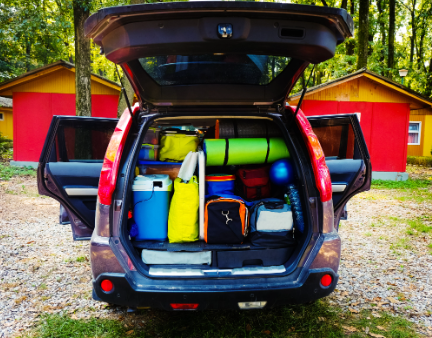
Organizing your car camping gear is essential for a successful outdoor adventure. With everything packed and easily accessible, you can focus on enjoying nature rather than digging through a cluttered vehicle. Here’s a guide to help you streamline the process and make your car camping experience stress-free.
1. Assess Your Camping Needs
The first step in organizing your car camping gear is to assess what you need based on your activities and the duration of your trip. Consider the number of people joining you, the type of terrain you’ll be covering, and the weather conditions expected. For example, a weekend trip in mild weather will require different gear compared to an extended camping experience in harsh conditions.
Take inventory of your current gear and determine what’s essential for your trip. This may include sleeping bags, cooking utensils, tents, and clothing appropriate for the climate. Create a checklist to help ensure nothing important is left behind. By organizing your gear according to necessity, you can simplify packing and make your car more efficient.
-
- Create a checklist based on the duration of your trip.
-
- Consider camping activities that may require specialized gear.
-
- Check the weather forecast and adapt your packing list accordingly.
-
- Separate gear for ease of dealing with during the trip.
2. Categorize Your Gear
Next, it’s crucial to categorize your gear into distinct groups, which makes packing and unpacking much easier. You can create categories such as cooking equipment, sleeping gear, safety items, and personal items. For instance, cooking equipment can include a portable stove, pots and pans, and utensils, while personal items can range from clothing to toiletries.
Using bins or storage bags is a great way to keep categorized items organized. Clear containers allow you to quickly see what’s inside, while labeled bags make it easier to find items when on-site. Stowing similar items together not only saves space but also helps in locating gear when you need it the most. Make it a point to double-check your categories after packing.
-
- Use clear containers for visibility and easy access.
-
- Label storage bags to avoid confusion.
-
- Keep similar items in the same area of your vehicle.
-
- Consider weight distribution when packing to maintain vehicle balance.
3. Optimize Vehicle Space
Once you have categorized your gear, it’s time to optimize the space in your vehicle. The way you load your car can significantly impact your convenience during the trip. Start by placing heavier items at the bottom and closer to the vehicle’s center for better balance. Items you need to access frequently should be placed on top or in an easily reachable spot.
Don’t forget to utilize the area under the seats and in any compartments your vehicle offers. Foldable or inflatable gear is also excellent for saving space, as it can be compacted when not in use. Make sure to secure loose items; they can become dangerous projectiles when driving to your camping spot.
-
- Load heavier items first for better balance.
-
- Use all available car spaces, including under seats and in compartments.
-
- Foldable gear can save a lot of space.
-
- Ensure all items are securely packed to avoid movement during transit.
4. Maintenance and Regular Check-Ups
Performing regular maintenance on your camping gear is often overlooked but is crucial for a successful trip. This includes cleaning items after each use, checking for wear and tear, and ensuring everything is in working condition before you hit the road. For instance, inspect your tent for rips and check your stove’s fuel levels to avoid surprises during your trip.
Keeping your gear in top shape not only prolongs its life but also enhances your safety and comfort while camping. Create a routine that includes checking your gear before every camping trip. This proactive approach minimizes the risk of equipment failure when you’re far from home.
-
- Clean your gear after every camping trip.
-
- Regularly check for any wear and tear.
-
- Make a checklist for maintenance tasks.
-
- Keep an emergency repair kit handy
Organizing your car camping gear doesn’t have to be a daunting task. By assessing your needs, categorizing your gear, optimizing vehicle space, and performing regular maintenance, you’ll ensure a smooth camping experience. So gather your gear, follow these steps, and get ready for your next adventure in the great outdoors! Happy camping!