
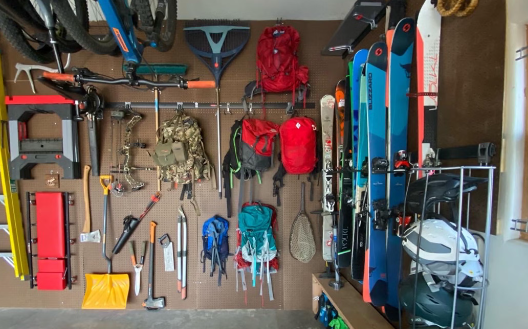
When it comes to camping, having the right equipment is only part of the equation. Equally important is how you organize that gear. Proper organization can save time, reduce stress, and even enhance your overall camping experience. Here are some practical tips to help you keep your camping equipment in order.
1. Categorize Your Gear
The first step to effective camping equipment organization is to categorize your gear. Create separate sections for cooking supplies, sleeping gear, and other essentials. For example, you could store all cooking items such as pots, utensils, and food in one box while keeping sleeping bags and camping pillows in another. This not only keeps your gear accessible but also saves time when packing and unpacking.
You can further categorize items based on frequency of use. Essential items like flashlights or first aid kits should be easy to access, while items that you might only need occasionally can be packed deeper in your bag. By streamlining what you have and how it is organized, you can make your camping trips much more enjoyable.
-
- Group similar items together.
-
- Label each box or bag clearly.
-
- Store frequently used items on top or in easy-to-reach places.
-
- Use transparent containers to easily identify contents.
2. Invest in Storage Solutions
Using the right storage solutions can change the way you camp. Consider purchasing camping-specific storage bins, dry bags, or compression sacks. These items not only keep your gear organized but also protect it from the elements. For example, dry bags are excellent for keeping clothes and electronics safe from moisture, while compression sacks can reduce the space taken up by sleeping bags or jackets.
Another beneficial storage solution is a multi-pocket organizer which can be attached to your backpack. This allows for quick access to small items like headlamps, snacks, or a multi-tool. Color coding the bags or bins can make it even easier to find what you need on the go, especially when time is of the essence.
-
- Choose stackable storage bins to maximize space.
-
- Use dry bags for waterproofing essential items.
-
- Invest in compression sacks to save space.
-
- Consider multi-pocket organizers for quick access.
3. Create a Packing Checklists
A comprehensive packing checklist can be invaluable for organized camping trips. Start by listing all the gear you think you’ll need for various types of camping activities—hiking, cooking, or fishing, for example. This will not only ensure you don’t forget anything but also provide a systematic approach to packing.”
You can create a digital checklist that you can edit for each trip, but having a printed copy handy can also help as you physically check off items while packing. Additionally, maintaining a seasonal checklist can help you remember items specific to the weather or type of camping trip (like winter gear vs. summer essentials).
-
- List all necessary items beforehand.
-
- Keep a master checklist for repetitive items.
-
- Check off items as you pack to avoid forgetting essentials.
-
- Customize your checklist based on different types of trips.
4. Store Away Seasonal Gear Separately
As the seasons change, so do your camping needs. If you go camping year-round, investing in a seasonal storage strategy can help you avoid clutter. For example, items like winter tents, heated gear, and extra sleeping layers can be stored away during summer months, and vice versa for summer gear like lightweight tents and cooling pads.
Dedicated storage areas for each season can help you easily swap gear in and out. Use labeled bins for each season or designate different sections in your storage shed. This organization ensures that you always have the right gear ready and accessible when it’s time for your next adventure.
-
- Store off-season gear in separate bins.
-
- Label bins clearly for easy identification.
-
- Keep a small selection of year-round essentials accessible.
-
- Rotate gear to prevent damage from humidity or pests.
By implementing these camping equipment organization tips, you’ll streamline your packing process and enhance overall enjoyment during your outdoor adventures. Consider adopting these strategies to make your next camping trip easier and more enjoyable, ensuring you focus on creating memorable experiences instead of searching for lost gear.