
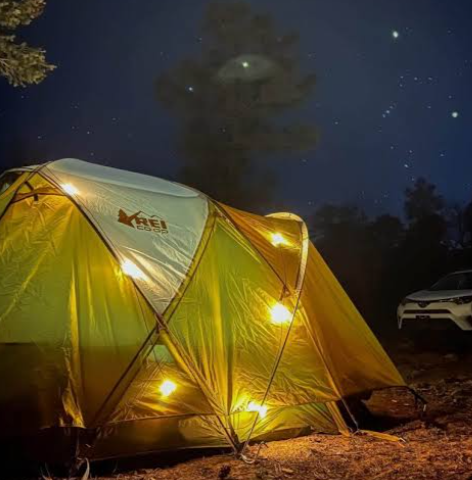
Choosing the right string lights for your camping adventures can significantly enhance your outdoor experience. With countless options on the market, it’s essential to know what features to consider for your unique needs. Here’s a guide to help you make an informed decision.
1. Understand Power Sources
When selecting string lights, one of the first things to consider is how they are powered. Battery-operated lights offer the convenience of portability, but careful selection is necessary to ensure longevity and brightness. On the other hand, solar-powered lights harness sunlight during the day and can provide sufficient lighting at night, which is eco-friendly but relies on adequate sun exposure.
If you opt for electric string lights, ensure that you have a reliable power source, such as a portable generator or a power bank. Keep in mind that electric lights may not be as convenient in remote areas without access to electricity. Understanding these options will help you choose the most suitable lighting for your outdoor adventures.
-
- Consider your camping location’s power availability.
-
- Choose battery-powered lights that are energy-efficient.
-
- Look for solar lights with good reviews on battery life.
-
- Ensure electric lights have a safe and reliable power source.
2. Consider Brightness and Color Temperature
Another critical aspect when choosing camping string lights is the level of brightness and color temperature. Measured in lumens, the brightness affects not only visibility but also ambiance. Generally, 100-200 lumens is adequate for a cozy atmosphere, while 300 lumens or more may be necessary for functional needs, such as cooking or setting up your tent.
The color temperature, measured in Kelvin, also plays a significant role in creating the right mood. Warmer lights (around 2700K-3000K) create a soft, inviting glow perfect for relaxing evenings, while cooler lights (above 4000K) can resemble daylight and are more functional for tasks. Understanding these two aspects helps you set the right scenario for your camping experience.
-
- Determine how bright you need your lights based on activities.
-
- Choose a color temperature that suits your mood preference.
-
- Test different brightness levels before your trip to find the best fit.
-
- Consider adjustable brightness settings for versatility.
3. Choose Durability and Weather Resistance
Outdoor environments can be harsh, so selecting string lights made with durable materials is vital. Ideally, you should look for lights that are rated for outdoor use, specifically those that boast weather-resistant features like being waterproof or UV-protected. This ensures your lights can withstand rain, wind, and the sun’s damaging rays.
Additionally, consider the quality of the bulbs used in the lights. LED lights are often the best choice for camping, as they tend to be more durable and energy-efficient than traditional incandescent bulbs. They are also less likely to break if fallen, making them perfect for outdoor adventures.
-
- Check for an IP rating that indicates waterproof abilities.
-
- Choose LED bulbs for longevity and durability.
-
- Inspect the build quality before purchasing.
-
- Always carry extra bulbs in case of breakage.
4. Take Length and Design into Account
When selecting string lights, you’ll want to consider the length and design that best fits your camping setup. Longer string lights are ideal for larger spaces, such as around your tent or picnic area, while shorter ones may suffice for smaller setups. Measure the areas you intend to illuminate and choose lights that can cover those spaces.
The design of the lights can also add charm to your camp. From traditional bulb styles to quirky shapes, you can find designs that reflect your personal taste. Additionally, some lights come with hooks or clips for easy hanging, ensuring your lights stay securely in place throughout your adventure.
-
- Measure the areas you want to illuminate for appropriate length.
-
- Pick a design that complements your camping gear.
-
- Confirm that the lights come with easy hanging options.
-
- Consider taking additional clips or hooks for flexible setups.
Choosing the right camping string lights doesn’t have to be overwhelming. By understanding your power source options, brightness preferences, durability needs, and aesthetic choices, you can make an informed decision. Ensuring your selection caters to your outdoor environment will enhance your camping experience and create memorable evenings under the stars.