
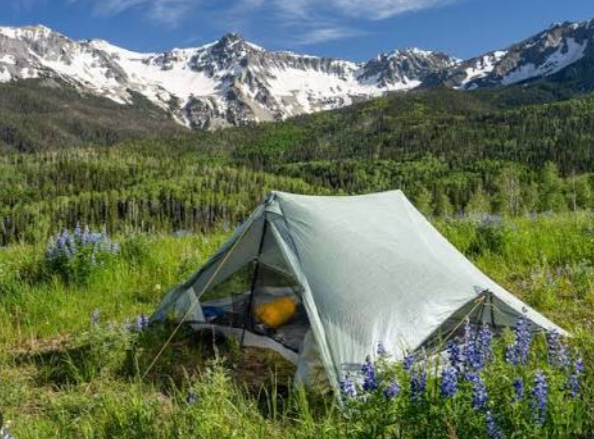
Camping offers a world of stunning landscapes and unique moments, perfect for photography enthusiasts looking to capture their adventures. Having the right gear can enhance your experience and ensure you don’t miss out on those breathtaking shots. Here’s your guide to the best camping photography gear that will help you document your outdoor experiences beautifully.
1. Camera Selection: Choosing the Right Type
Your camera is the most crucial piece of gear for camping photography. For beginners, a smartphone camera might suffice, especially with modern smartphones boasting impressive capabilities. However, if you’re more serious about photography, consider investing in a DSLR or mirrorless camera. These cameras offer better image quality, versatility, and manual controls, allowing you to adapt to various lighting conditions.
When selecting a camera, consider portability and ease of use. DSLR cameras can be bulky, but many mirrorless options provide the same quality without the weight. A lightweight camera will fit snugly in your backpack, and you won’t shy away from snapping photos at every twist and turn on your hike.
-
- Evaluate your photography level before purchasing a camera.
-
- Look for weather-resistant options if you expect rain or humidity.
-
- Practice using your camera before hitting the trails.
-
- Check for recommendations from fellow campers or online forums.
2. Lenses: Your Window to Different Perspectives
The type of lens you use can dramatically affect the quality of your photos. A standard zoom lens (e.g., 18-55mm) is great for general-purpose photography, while a wide-angle lens (e.g., 10-18mm) is perfect for capturing landscapes. A telephoto lens can help you take close-ups of wildlife without disturbing them, which is key in preserving the natural environment.
Don’t forget about filters! Circular polarizers can enhance colors and reduce glare, making your photos pop. Additionally, a neutral density filter can help you capture long-exposure shots, perfect for waterfalls or night skies. Remember to prioritize lightweight lenses, as carrying multiple heavy ones can become cumbersome during long hikes.
-
- Include at least one wide-angle lens for versatile landscape shots.
-
- Consider a telephoto lens for capturing distant subjects.
-
- Bring lens filters to enhance your photography.
-
- Protect your lenses with UV filters from scratches.
3. Tripods: The Stability You Need
When photographing in low-light conditions, a sturdy tripod is indispensable. Whether for sweeping sunsets or starry skies, a tripod helps prevent blurry photos caused by camera shake. Look for lightweight, portable options ideally suited for hiking. A trekking tripod, which can double as a hiking pole, will save space and help you stay agile throughout the day.
Consider tripods with adjustable heights and flexibility for various shooting angles. Some even come with hooks for added stability if you’re shooting in windy conditions. Additionally, ensure that your tripod can support the weight of your camera and lenses, as safety is paramount when you’re out in nature.
-
- Invest in a lightweight tripod that’s easy to carry.
-
- Choose one with adjustable height and flexibility.
-
- Check for weight limits to ensure your camera fits safely.
-
- Test your tripod thoroughly before your trip.
4. Accessories: The Finishing Touches
The right accessories can greatly enhance your camping photography experience. Start with a sturdy camera bag, which not only protects your gear but also provides easy access when you’re hiking. Look for one with compartments to keep your lenses and camera organized, ensuring you have everything at your fingertips.
Additionally, spare batteries and memory cards are essential. When camping, you may not have access to charging stations, so carrying extra batteries will keep you shooting throughout your trip. Make sure you also have a lens cleaning kit; dirt and moisture can accumulate when you’re in nature, affecting your photo quality.
-
- Choose a camera bag that fits comfortably and protects your gear.
-
- Pack multiple memory cards to avoid running out of space.
-
- Carry spare batteries for extended trips.
-
- Include a lens cleaning kit for maintaining optical clarity.
5. Safety Gear: Protecting Your Photography Experience
Finally, safety should never be overlooked in camping photography. Always carry a first aid kit ensuring you’re prepared for minor injuries while hiking. Additionally, consider using a reflective vest or armband if you plan to shoot during dawn or dusk to stay visible to other hikers.
Familiarize yourself with the local wildlife and plant life to avoid dangerous encounters. Bring a map and inform someone of your plans before heading out, especially if you are going to remote areas. By planning for safety, you can focus more on capturing those unforgettable moments.
-
- Pack a first aid kit for minor incidents.
-
- Wear reflective gear when hiking at dawn or dusk for visibility.
-
- Research local wildlife to avoid dangers.
-
- Always inform someone about your hiking plans.
With the right gear and preparation, your camping photography can become an enjoyable and fulfilling part of your outdoor adventures. Don’t hesitate to experiment and explore—you’ll find your unique style while capturing memories that last a lifetime. So pack your gear, hit the trails, and start photographing the breathtaking beauty around you!