
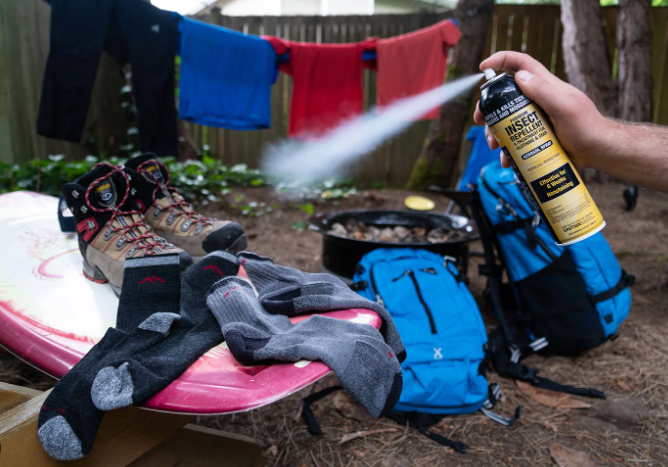
When heading out for a camping trip, one of the most overlooked aspects is protecting yourself from insects. Mosquitoes, ticks, and other pests can not only ruin your experience but also pose health risks. This blog post will explore the best insect protection gear to keep you safe and comfortable during your outdoor adventures.
1. Insect Repellent: A Must-Have
Insect repellents are essential in keeping those pesky bugs at bay. Look for repellents containing DEET, picaridin, or oil of lemon eucalyptus, as these ingredients have been proven highly effective against a variety of insects. When applying, ensure you cover all exposed skin, and don’t forget areas that are often missed, like the back of the neck and behind the knees.
When selecting a repellent, consider the length of your trip and the type of activities you’ll be doing. For shorter camping trips, a lower concentration of DEET (around 20-30%) can provide ample protection. However, if you’re venturing into heavily infested areas, look for repellents with higher concentrations for longer-lasting results.
-
- Choose a repellent suitable for your skin type.
-
- Reapply every few hours, especially after swimming or sweating.
-
- Test a small area for allergic reactions before using.
-
- Avoid applying to open wounds or irritated skin.
2. Protective Clothing: Dress for Success
The clothing you wear can be a significant barrier against insect bites. Opt for long sleeves and pants made from tightly woven fabrics to minimize skin exposure. Light-colored clothing makes it easier to spot ticks and other bugs, which tend to be more attracted to darker hues. Additionally, consider purchasing clothing treated with permethrin, an insect-repellent treatment that can be effective for multiple washes.
In cooler climates, layering can also protect you from both insects and the cold. Look for lightweight, breathable fabrics that wick moisture away from your skin, preventing overheating. Remember to tuck your pants into your socks to create an extra barrier against ticks.
-
- Invest in permethrin-treated clothing for added protection.
-
- Wear light-colored, long-sleeved shirts and long pants.
-
- Check for ticks after hiking or other outdoor activities.
-
- Tuck pants into socks to keep beetles and ticks out.
3. Insect Nets and Screens: A Necessary Shield
When camping, one of the most effective ways to keep insects at bay is by using nets and screens. Mosquito netting can be draped over your sleeping area or around a picnic table for extra security against flying insects. For those who truly wish to enjoy the outdoors without fear of bugs, investing in a portable screened tent can serve dual purposes: it keeps bugs out while allowing fresh air in.
If you are camping in a tent, make sure it comes with a built-in insect screen. Not only does this add an additional layer of protection, but it also allows for ventilation, reducing condensation inside the tent. Additionally, check for any tears or holes in the tent before you leave to ensure a bug-free environment.
-
- Purchase a portable bug net for extra protection.
-
- Check screens on your tent and repair any damages.
-
- Use netting over sleeping bags for added safety.
-
- Consider a pop-up mesh tent for open-air dining.
4. Health and Safety Equipment: Be Prepared
Having the right health and safety equipment can make a world of difference when it comes to insect protection. First aid kits that include treatments for bites and stings are essential, especially if you plan to be in areas known for specific insect problems. Benadryl for allergic reactions or hydrocortisone cream for itch relief are good additions to your kit.
In addition to your first aid kit, consider bringing tools for removing ticks, such as a tick removal tool or fine-tipped tweezers. Being prepared can mean the difference between a trivial inconvenience and a more serious health concern, so make sure these items are included in your camping checklist.
-
- Pack a first aid kit with bite relief items.
-
- Include tick removal tools in your gear.
-
- Educate yourself on recognizing poisonous insects.
-
- Know the signs of severe allergic reactions.
5. Timing and Location: Know Your Environment
Understanding the timing and location of insect activity can provide an additional layer of protection. Mosquitoes are typically most active at dawn and dusk, so planning activities during different times can help you avoid them. Similarly, if you are camping in grassy areas, remember that ticks tend to thrive in these environments, particularly in the warmer months.
Additionally, consider the geography of your camping site. Areas near standing water are often breeding grounds for mosquitoes, so choosing a campsite further away from such areas can significantly reduce your chances of being bitten. By planning your trip around these factors, you can better enjoy your time outdoors without dealing with pesky insects.
-
- Plan activities during the day to avoid mosquitoes.
-
- Avoid camping close to standing water.
-
- Check local bug activity reports before planning your trip.
-
- Inquire about specific insect issues noted by park services.
In conclusion, preparation is key to enjoying a bug-free camping experience. By investing in quality insect protection gear and being mindful of your environment, you can make your outdoor adventures much more enjoyable. Take the time to research and gather the right tools before setting out, and you’ll be well on your way to a fun and safe trip!