
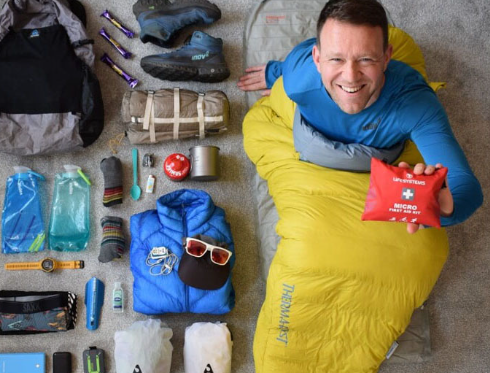
Planning a multi-day hiking adventure can be exhilarating, but selecting the right gear is crucial for a safe and enjoyable experience. With the right equipment, you can traverse challenging terrains and stay comfortable throughout your journey. In this blog post, we’ll explore must-have hiking gear that will make your multi-day trek more efficient and enjoyable.
1. Choosing the Right Backpack
Your backpack is arguably the most important piece of gear you’ll use on a multi-day hike. A good backpack should distribute weight evenly and have enough capacity to carry all your essentials without being too bulky. Look for options that feature adjustable straps and a hip belt, which can help alleviate strain on your shoulders during long treks.
Consider the type of backpack material as well. Waterproof material can protect your belongings in case of unexpected rain, while breathable fabric will keep you comfortable during warmer days. Medium to large-sized backpacks (50-70 liters) are recommended for multi-day hikes, allowing room for your sleeping gear, food, and clothing.
-
- Opt for a backpack with adjustable straps for a better fit.
-
- Choose a waterproof material for protection against rain.
-
- Look for multiple pockets for easy organization.
-
- Consider a hip belt to distribute weight effectively.
2. Sleeping Systems: Tents and Sleeping Bags
A reliable sleeping system is essential for a good night’s rest during your multi-day adventure. Depending on your preference, you can either opt for a tent or a hammock. Tents provide shelter from insects and weather, while hammocks offer a lightweight and portable alternative. Always consider the weight and space when selecting your sleeping system, as you’ll be carrying it for long distances.
Your sleeping bag should be rated for the climate conditions you expect to encounter. For colder regions, down-filled bags provide excellent insulation but can be pricey. Synthetic bags are more affordable and perform well in damp conditions. Don’t forget to bring a sleeping pad for added comfort and insulation from the ground.
-
- Choose a lightweight tent or hammock based on your comfort preference.
-
- Pack a sleeping bag suitable for the season you’ll be hiking in.
-
- Include a sleeping pad for increased comfort and warmth.
-
- Consider shared tents to reduce weight if hiking in a group.
3. Clothing Layers: Dressing for Success
The right clothing can make or break your hiking experience. Layering is key to adapting to changing weather conditions. Start with a moisture-wicking base layer to keep sweat away from your body, followed by an insulating layer like fleece or down for warmth, and finish with a waterproof and windproof outer layer to protect against the elements.
Choosing the right footwear is also crucial. Invest in good hiking boots that provide support and fit well, as blisters and sore feet can ruin your hike. Don’t forget quality hiking socks made from wool or synthetic materials; they wick moisture away and help prevent blisters.
-
- Layer your clothing to adapt to temperature changes.
-
- Choose moisture-wicking fabrics for your base layer.
-
- Invest in high-quality waterproof hiking boots.
-
- Pack an extra pair of socks for each day of your hike.
4. Cooking Equipment: Fueling Your Adventure
A well-planned cooking system can help you maintain energy levels throughout your hiking trip. Portable stoves are a great option; opt for lightweight models that use propane or butane fuel. Don’t forget a set of lightweight pots and pans that suit your cooking needs. For meals, consider dehydrated food options that are easy to pack and cook.
Water is essential, and carrying a hydration system or water purification tablets is crucial to staying hydrated. You can also opt for a water filter to purify water from natural sources. This reduces pack weight and ensures you have access to clean drinking water while on the trail.
-
- Select a lightweight stove that meets your cooking needs.
-
- Pack dehydrated food for easy meals on the go.
-
- Carry a hydration system or water purification tablets.
-
- Bring lightweight cooking utensils for added convenience.
5. Safety Gear: Being Prepared
No hike is complete without proper safety gear. A first-aid kit is essential; make sure it includes basics like band-aids, antiseptic wipes, and pain relievers. Additionally, bring a map and compass or a GPS device to navigate through the wilderness. Remember that cell service might be unreliable, so having these tools will keep you on track.
A multi-tool can also be invaluable in various situations, whether you need to fix gear or prepare food. Moreover, consider packing a whistle and a flashlight as additional safety measures. Lastly, don’t overlook sunscreen and insect repellent to protect yourself from sunburn and bugs.
-
- Pack a comprehensive first-aid kit.
-
- Carry a map and compass or GPS device for navigation.
-
- Bring a multi-tool for unforeseen circumstances.
-
- Include a whistle and flashlight for added safety.
As you prepare for your multi-day hiking adventure, having the right gear can drastically enhance your experience. Whether you are a seasoned hiker or just starting, investing in quality equipment is essential for safety and comfort. Take the first step and start gathering your necessary gear for the hike ahead!