
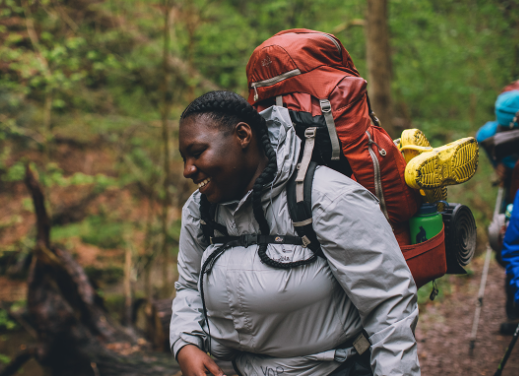
When it comes to mountain hiking, having the right gear can make all the difference in ensuring a safe and enjoyable experience. Whether you’re aiming for breathtaking vistas or tackling challenging terrain, equipping yourself appropriately prepares you for various mountain conditions. Let’s explore essential hiking gear that will enhance your mountain adventures and keep you comfortable.
1. Footwear for Mountain Terrain
Your choice of footwear is one of the most critical aspects of mountain hiking. A good pair of hiking boots should provide both support and traction, which are essential for navigating rocky paths and steep inclines. Consider boots made from waterproof materials to keep your feet dry during unexpected rain or when crossing streams. Models with a sturdy outsole, like Vibram, can help prevent slips while providing durability against rugged terrain.
Socks are equally important; investing in moisture-wicking, cushioned socks will prevent blisters and keep your feet comfortable throughout the hike. Remember to break in your boots before your hike to avoid discomfort. A well-fitting pair of hiking boots can significantly affect your performance and enjoyment.
-
- Choose waterproof boots for wet conditions.
-
- Look for features like ankle support and traction.
-
- Break in your boots prior to long hikes.
-
- Wear moisture-wicking socks for maximum comfort.
-
- Consider orthotic inserts for additional support.
2. Layering Your Clothing
The mountain weather can be unpredictable, so layering your clothing is a smart strategy. Start with a moisture-wicking base layer to keep sweat away from your body, followed by an insulating layer such as fleece for warmth. Finally, a waterproof and windproof outer layer is essential to shield yourself from rain and strong winds. This three-layer system gives you flexibility in adjusting your comfort level as temperatures fluctuate.
In addition to your basic layers, consider wearing hiking pants that are breathable and offer stretch for mobility. Fabrics like nylon or polyester are ideal because they dry quickly and resist abrasions. Don’t forget accessories like hats, gloves, and bandanas, which can protect you from sun exposure and cold winds while keeping you comfortable.
-
- Use moisture-wicking base layers to stay dry.
-
- Choose insulating layers like fleece for colder conditions.
-
- Opt for breathable, quick-drying hiking pants.
-
- Always have a waterproof and windproof jacket on hand.
-
- Carry a warm hat and gloves to protect extremities.
3. Essential Hiking Tools and Accessories
Tools and accessories can enhance safety and efficiency while hiking. A reliable backpack is essential; look for one that fits well and has adequate capacity to carry your gear, food, and water. Hydration systems make it easier to stay hydrated without stopping frequently, helping you maintain your energy levels. Consider adding trekking poles for extra stability on uneven terrain, especially if you have knee concerns.
Don’t forget navigation tools like a map, compass, or GPS device. In remote areas, smartphones may not have signal access; a traditional map can be invaluable. Additionally, packing a small first aid kit is crucial for treating any minor injuries or illnesses that may arise during your hike.
-
- Choose a comfortable, well-fitted backpack.
-
- Incorporate a hydration reservoir for on-the-go drinks.
-
- Consider trekking poles for stability.
-
- Always carry navigation tools like a map or compass.
-
- Pack a first aid kit for emergencies.
4. Safety Equipment and Emergency Gear
When hiking in the mountains, safety should always be a priority. Carrying essential safety equipment can prepare you for unexpected situations. A whistle can signal your location if you get lost, and a multi-tool can handle various tasks from meal preparation to minor repairs. Additionally, a headlamp or flashlight is vital for navigating in low-light conditions.
Having a good emergency blanket or bivvy bag can be a lifesaver in case of an unexpected overnight stay outdoors. It provides warmth and protection from the elements. Furthermore, packing non-perishable food and a portable water filter can keep your energy levels stable if you find yourself in a pinch.
-
- Carry a whistle for emergency signaling.
-
- Bring a multi-tool for various hiking needs.
-
- Pack a headlamp or flashlight for night navigation.
-
- Include an emergency blanket for warmth.
-
- Have extra food and a water filter on hand.
In conclusion, well-chosen hiking gear significantly impacts your mountain hiking experience. By investing in quality footwear, proper clothing layers, essential tools, and safety equipment, you’ll be well-prepared for whatever nature throws your way. So get out there, plan your next hike, and enjoy the great outdoors with confidence!