
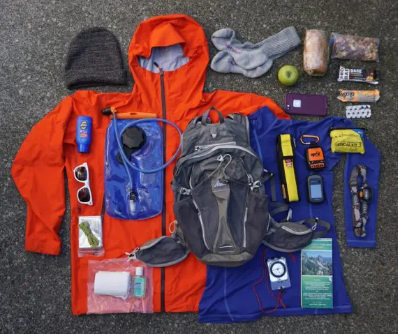
Hiking is a wonderful way to reconnect with nature, get some exercise, and enjoy breathtaking landscapes. Whether you’re venturing out for a few hours or exploring short trails, the right gear can significantly enhance your experience. This post will guide you through essential hiking gear for day hikes and short trails, ensuring you’re well-prepared for your adventure.
1. Footwear: Finding the Right Hiking Shoes
Choosing the right footwear is crucial for your comfort and safety on the trail. While sneakers may be appropriate for well-maintained paths, hiking shoes or boots provide better support and traction for varied terrain. Look for shoes with good ankle support, especially if you’re hiking on rocky trails or uneven surfaces.
When selecting hiking footwear, consider the climate and trail conditions. Waterproof shoes can be beneficial in wet conditions, while breathable materials are ideal for hotter days. Make sure to break in your shoes before your hike to prevent blisters and discomfort.
-
- Try on shoes with the socks you intend to wear.
-
- Walk around in the store to ensure they fit well.
-
- Inspect the sole for good grip and traction.
-
- Consider your pronation: neutral, over, or under-pronation.
2. Backpacks: Carrying Your Essentials
A good hiking backpack should be lightweight yet spacious enough to hold your day’s necessities. Daypacks typically range from 15 to 30 liters, providing ample space for water, food, a first aid kit, and extra layers. Look for adjustable straps to ensure a snug fit, which will keep the load balanced while you walk.
Pockets are also key; having easy access to your water bottle and snacks can make a significant difference on the trail. Additionally, consider a pack with a hydration reservoir or pockets for hydration sleeves, as staying hydrated is essential for any hiking excursion.
-
- Choose a pack with ventilation for comfort.
-
- Opt for a rain cover to protect your gear.
-
- Organize your items in different compartments.
-
- Don’t overload your backpack; keep it manageable.
3. Clothing: Dressing for Comfort
Selecting the right clothing is pivotal for staying comfortable during your hike. Layering is a smart strategy; start with a moisture-wicking base layer to keep sweat away from your skin, add an insulating layer for warmth, and finish with a weather-resistant outer layer. Choosing quick-drying, breathable materials will help regulate your body temperature.
Moreover, consider the height of your hike; higher altitudes may bring cooler temperatures. Always check the weather forecast to ensure you’re prepared for sudden changes. Accessories like hats, gloves, and neck gaiters can also make a significant difference in comfort during cooler or sunny hikes.
-
- Wear breathable fabrics; avoid cotton as it retains moisture.
-
- Choose UV-protective clothing for sunny days.
-
- Consider weather-resistant outer layers.
-
- Pack an extra layer just in case temperatures drop.
4. Safety Gear: Be Prepared for Anything
Safety should always be a priority when hiking. A well-equipped first aid kit is essential, including items like band-aids, antiseptics, and any personal medications. It’s also wise to carry a multi-tool or knife for emergencies, as well as a map and compass (or a fully charged GPS device) to help you navigate the trails.
In addition to first aid gear, carrying a whistle and a flashlight can be beneficial if you get disoriented or lose daylight. Depending on the trail, it might also be worth bringing bear spray or other wildlife deterrents. Always let someone know your route and expected return time for added safety.
-
- Assemble a comprehensive first aid kit suitable for hiking.
-
- Carry a charged cell phone and portable charger.
-
- Invest in a reliable map or GPS device.
-
- Know basic navigation skills using a compass.
5. Hydration and Nutrition: Staying Energized
Hydration is key to a good hiking experience; bring enough water to last for your entire hike. A good rule of thumb is to drink about half a liter of water for every hour of hiking. Consider packing water purification tablets or a filter if you’re relying on natural water sources during your hike.
In terms of nutrition, pack lightweight, high-energy foods that are easy to consume on the go. Trail mix, energy bars, or fruit can offer quick energy boosts. Prepare your snacks in advance to avoid carrying extra bulk and organize them for easy access in your backpack.
-
- Use a hydration bladder or multiple water bottles.
-
- Plan to drink water regularly, not just when thirsty.
-
- Choose nutrient-dense snacks for sustained energy.
-
- Avoid foods that may spoil quickly or are heavy.
In conclusion, preparing well for your day hike can lead to a more enjoyable and safe adventure. With the right footwear, backpack, clothing, safety gear, and nutrition, you can fully immerse yourself in the beauty of nature. So, lace up those shoes, pack your essentials, and hit the trails for an unforgettable experience!