
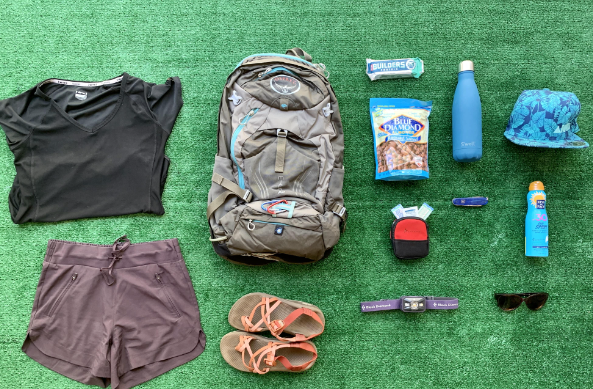
Hiking can be a fantastic way to explore the outdoors and connect with nature. For beginners, having the right gear makes all the difference in ensuring a safe and enjoyable experience. This post highlights essential hiking gear specifically tailored for beginner-friendly trails.
1. Footwear: The Foundation of Your Journey
Your choice of footwear is paramount when it comes to hiking. Well-fitted hiking shoes or boots provide necessary support and grip, reducing the risk of blisters and slips. For beginner-friendly trails, lightweight and breathable shoes can contribute to a more comfortable experience, especially during warmer months.
Look for shoes with good traction on the sole, ideally designed for various terrains. Brands often have specific models tailored for light hiking. Don’t forget to wear moisture-wicking socks to keep your feet dry and comfortable throughout your trek.
-
- Choose shoes that offer good ankle support if you plan to tackle uneven terrain.
-
- Break in your shoes before your hike to avoid discomfort.
-
- Consider using custom insoles for added comfort.
-
- Check the weather and choose shoes suitable for wet conditions if necessary.
2. Backpack: Carrying Essentials Efficiently
A quality backpack is essential for any hiking trip, especially for beginners. Look for a backpack that is appropriately sized—generally, a 20-30 liter pack is sufficient for day hikes. Features like padded shoulder straps and a hip belt can help distribute weight evenly, minimizing strain during longer hikes.
Pack your bag carefully, distributing weight so essentials are easily accessible. Hydration bladders can be particularly useful for staying hydrated without having to stop frequently. Consider adding compartments or packing cubes to keep your items organized and prevent them from bouncing around while you hike.
-
- Always have at least 2 liters of water or a hydration system in your pack.
-
- Pack snacks that are easy to eat and provide quick energy, such as granola bars or trail mix.
-
- Keep a first-aid kit and a map in an easily accessible pocket.
-
- Practice packing your backpack before your hike to ensure proper fit and comfort.
3. Clothing: Dressing for Comfort and Safety
Selecting the right clothing for hiking is crucial. Layering is key, as it allows you to adjust your body temperature throughout your hike. Start with a moisture-wicking base layer, followed by an insulated layer, and a waterproof outer shell to protect against rain and wind.
Consider the climate of the trail you’ll be hiking. For sunny days, lightweight, long-sleeved shirts and hats can protect you from sunburn. Don’t forget about pants made of quick-dry materials; they provide comfort and protection from brush and bug bites.
-
- Wear light and breathable fabrics to prevent overheating.
-
- Choose moisture-wicking underwear to avoid chafing.
-
- Always pack an extra layer in case the weather changes unexpectedly.
-
- Use sunblock on exposed skin, even on cloudy days.
4. Navigation Tools: Staying on Track
Even on beginner-friendly trails, having the right navigation tools is important. A simple map and compass can guide you, but smartphone apps can also provide real-time GPS data, trail maps, and important information about the terrain. Make sure your phone is fully charged before you leave and consider carrying a portable charger.
Understanding how to read a map or GPS is a vital skill for safety. Some beginner-friendly apps include AllTrails, which provides info on various trails including difficulty levels, and hiking community feedback. Familiarizing yourself with these tools can reduce anxiety and help ensure a smooth hike.
-
- Download offline maps in case of poor signal reception in remote areas.
-
- Practice using your compass and map before hitting the trail.
-
- Share your planned route with a friend or family member.
-
- Bring a whistle or mirror to signal for help in case of emergencies.
5. Safety Gear: Prepare for the Unexpected
Safety should always be a top priority when hiking. A basic first-aid kit containing essentials like adhesive bandages, antiseptic wipes, and blister treatment is a must. In addition, including a multi-tool can help in several emergency situations, whether it’s cutting a rope or opening a can.
Consider other safety gear like a flashlight with extra batteries—essential for unexpected delays or emergencies. If you plan on hiking in areas with wildlife, bear spray should be included in your safety gear. Always remember: it’s better to be overprepared than underprepared.
-
- Regularly check your first-aid kit to replenish used supplies.
-
- Wear a personal locator beacon if you are hiking in remote areas.
-
- Know basic first-aid and emergency procedures.
-
- Carry a poncho or emergency blanket for unexpected weather changes.
In conclusion, choosing the right gear can significantly improve your hiking experience, especially on beginner-friendly trails. With the essential footwear, apparel, packs, and safety gear, you will be well-equipped to enjoy the great outdoors. Don’t hesitate to consult outdoor professionals or experienced hikers as you prepare for your first adventure!