
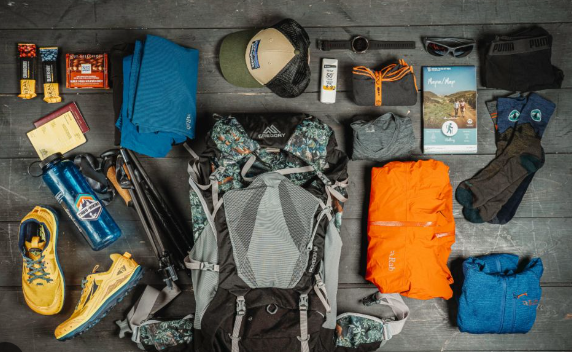
If you’re new to hiking, getting started can be overwhelming. From choosing the right gear to navigating trails, preparation is essential for a successful outing. This hiking gear checklist will help you pack smartly and ensure you have a great adventure.
1. Essential Clothing Items
The right clothing can make or break your hiking experience. Aim for moisture-wicking materials that keep you dry and comfortable, and remember that layers are the key to adapting to changing weather conditions. Start with a good base layer, which sits close to your skin and helps manage sweat.
Your mid-layer can be a fleece or lightweight jacket, offering insulation while remaining breathable. Finally, an outer layer—like a waterproof shell—protects against rain and wind. Don’t forget accessories like a hat to shield you from the sun and a pair of sunglasses to protect your eyes.
-
- Wear moisture-wicking shirts and pants.
-
- Bring a lightweight, breathable jacket.
-
- Pack an extra layer, like a fleece.
-
- Select moisture-wicking socks to prevent blisters.
-
- Include a hat and sunglasses for sun protection.
2. Footwear: Choosing the Right Boots
Your choice of footwear is crucial for hiking comfort and safety. Hiking boots should have good grip and ankle support, particularly if you’re traversing rocky or uneven terrain. Before hitting the trails, be sure to break in your boots to avoid painful blisters on your hike.
If you’re taking a shorter, less rugged hike, consider trail shoes or runners designed for outdoor activities. These can provide more flexibility and comfort. Always ensure that your footwear fits well; you should have enough room to wiggle your toes without feeling too loose.
-
- Invest in a pair of supportive hiking boots or shoes.
-
- Break in new footwear before your hike.
-
- Wear thick, moisture-wicking socks for comfort.
-
- Check for proper fit—two fingers should fit between your heel and the boot.
-
- Consider shoe type: boots for rough terrain, shoes for shorter trails.
3. Navigation: Tools and Tech to Find Your Way
Knowing how to navigate the trails is vital for your safety. Even if you’re hiking on well-marked paths, having a map and compass can help you understand the terrain. It’s best to familiarize yourself with both digital and traditional navigation tools.
Smartphones equipped with GPS can be handy, but ensure you download any necessary maps before you lose signal in remote areas. Additionally, carrying a whistle can help signal for help should you get lost or find yourself in trouble on the trails.
-
- Always carry a physical map and compass.
-
- Download offline maps on your phone before your hike.
-
- Familiarize yourself with the trail’s layout.
-
- Keep a whistle handy for emergencies.
-
- Inform someone of your hiking plans and estimated return time.
4. Hydration and Nutrition: Staying Energized
Staying hydrated during your hike is crucial for maintaining energy levels. Aim to drink water regularly, even if you don’t feel thirsty, especially on warm days. A hydration pack or water bottles made for hiking can be great for on-the-go hydration without fuss.
In addition to water, you should bring nutritious snacks to sustain your energy. Consider packing energy bars, nuts, or dried fruits, which are lightweight and easy to carry. Eating small amounts throughout the hike can help you maintain stamina and enjoy the journey even more.
-
- Bring enough water—approximately 2 liters for a day hike.
-
- Use a hydration pack for convenience.
-
- Pack high-energy snacks like nuts and granola bars.
-
- Eat small quantities during your hike to maintain energy.
-
- Check local guidelines for re-filling water along the trail.
5. Safety Gear: Prepare for the Unexpected
While hiking can be a great adventure, unexpected situations can arise, so it’s wise to carry safety gear. A first aid kit tailored to the outdoors should include items like antiseptics, bandages, and pain relievers. This way, you’re equipped to handle minor emergencies that may occur.
Also, consider bringing a multi-tool or a knife for various uses, from food prep to gear repairs. Additionally, a flashlight or headlamp will be invaluable if your hike takes longer than expected, ensuring you safely find your way back in low light conditions.
-
- Pack a comprehensive first aid kit.
-
- Include a multi-tool or knife for versatile use.
-
- Carry a flashlight or headlamp with extra batteries.
-
- Bring a whistle and a mirror for emergency signaling.
-
- Store your gear in a water-resistant bag.
In conclusion, as a first-time hiker, being well-prepared can enhance your outdoor experience significantly. Focus on packing the right clothing, footwear, navigation tools, hydration supplies, and safety gear. Embrace the adventure, enjoy nature, and most importantly, stay safe out there!