
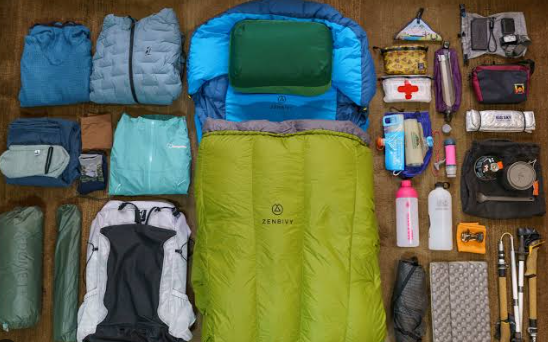
Camping can be one of the most rewarding experiences, offering a chance to connect with nature and unwind from daily stress. However, safety should always be a top priority to ensure an enjoyable adventure. Understanding what essential camping safety equipment to bring can make all the difference in your overall experience.
1. First Aid Kit
A well-stocked first aid kit is an absolute necessity for any camping trip, regardless of how short or lengthy your adventure is. Common injuries such as cuts, scrapes, and insect bites can occur easily while you’re exploring the great outdoors. Having a first aid kit on hand that includes antiseptics, bandages, and pain relievers will help you address minor injuries immediately, minimizing discomfort and allowing you to continue enjoying your trip.
When assembling a first aid kit, consider your group’s specific needs, including allergies or pre-existing conditions. For example, if someone in your group is allergic to bee stings, include an epinephrine auto-injector in the kit. Always check that your first aid supplies are up-to-date before your trip, as some items may expire.
-
- Include adhesive bandages in various sizes.
-
- Pack antiseptic wipes and ointments.
-
- Have gauze pads and medical tape for larger wounds.
-
- Add pain relievers such as ibuprofen or acetaminophen.
-
- Bring any personal medications, like allergy meds or inhalers.
2. Fire Safety Equipment
Fire is a double-edged sword when it comes to camping. While it provides warmth, light, and the means to cook food, it can also lead to disastrous wildfires if not handled correctly. Essential fire safety equipment includes fire extinguishers and a shovel, which can help you build and manage your campfire responsibly. Additionally, always familiarize yourself with local fire regulations regarding campfires and open flames.
Choosing your campsite wisely also plays a crucial role in fire safety. Make sure to set up camp a safe distance from flammable materials, such as dry leaves or tree branches. Use a fire ring if available, rake the area free from debris, and never leave a fire unattended. When extinguishing your fire, use water or dirt to ensure it is completely out.
-
- Always carry a portable fire extinguisher.
-
- Bring a shovel for managing and extinguishing fire pits.
-
- Familiarize yourself with local fire guidelines.
-
- Clear the area around your campfire of flammable materials.
-
- Always ensure your fire is completely out before leaving.
3. Navigation Tools
Your wilderness journey can lead you deep into nature, making navigation skills essential. Printed maps, compasses, and GPS devices are crucial tools that will help you find your way back to camp. Remember that cellular reception may be spotty or non-existent in remote areas, so relying solely on your smartphone for navigation is not advisable.
Utilizing multiple navigation methods can enhance your safety. For example, learning how to read a topographic map will enable you to understand the terrain you’re traversing better. It’s also helpful to mark significant landmarks on your map, such as water sources or your campsite, to create a more detailed plan for your hikes.
-
- Carry both a printed map and a compass.
-
- Invest in a reliable GPS device.
-
- Learn how to read and use a topographic map before heading out.
-
- Mark important locations on your map for easy reference.
-
- Discuss your hiking route with someone who stays behind.
4. Water Purification Equipment
Staying hydrated is vital during any outdoor activity, but drinking untreated water can lead to illness. Water purification systems, such as filters, tablets, or UV purifiers, can ensure you have access to safe drinking water. Filters can be either portable pumps or built-in bottles, offering flexibility depending on your needs.
In addition to purification tools, consider carrying collapsible water containers for storage. Depending on where you’re camping, you may find water sources nearby, but treating that water before consumption is essential to avoid gastrointestinal issues. Know how to use your purification method effectively, and always have a backup plan in case your primary method fails.
-
- Choose a water purification method that suits your camping style.
-
- Always pack extra purification tablets or filters.
-
- Fill your water containers as soon as you arrive at a water source.
-
- Check for signs of contamination in water sources.
-
- Have a backup method for purifying water in case of equipment failure.
By equipping yourself with the proper safety gear, you can minimize risks and maximize enjoyment during your camping trips. It’s essential to prepare thoroughly, ensuring you have all the necessary equipment and knowledge to handle potential emergencies. Now that you understand these essential camping safety items, take the initiative to gather them and plan your next adventure with confidence!