
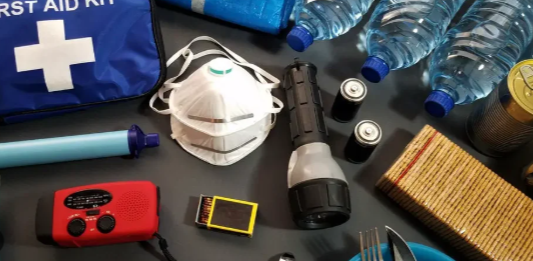
Camping is a wonderful way to unwind and connect with nature, but it’s essential to be prepared for any emergencies that may arise. One of the most vital components of your camping gear is a well-stocked first aid kit. In this post, we’ll cover a comprehensive checklist to ensure that you have everything you need for a safe and enjoyable outdoor adventure.
1. Basic Supplies
When assembling a camping first aid kit, start with basic supplies. These are essential items that can address a variety of minor injuries such as cuts, scrapes, and burns. Basic supplies should include adhesive bandages of various sizes, sterile gauze pads, and medical tape. Having these fundamental items on hand can help manage injuries promptly before they escalate.
Moreover, consider adding antiseptic wipes and antibiotic ointment to your kit. Antiseptic wipes serve to clean wounds, while antibiotic ointment can prevent infections. A digital thermometer is also useful for monitoring fever, which can be vital if someone gets sick while in the wilderness. Also, don’t forget scissors and tweezers, which can assist in removing splinters and cutting tape or gauze.
-
- Adhesive bandages of various sizes
-
- Sterile gauze pads and medical tape
-
- Antiseptic wipes and antibiotic ointment
-
- Digital thermometer
-
- Scissors and tweezers
2. Pain Relief and Medication
Having the right medication can make a significant difference while camping. Over-the-counter pain relievers like ibuprofen or acetaminophen can be crucial for managing pain or discomfort from headaches, muscle soreness, or any minor injuries. Make sure to check the expiration dates on these medications regularly and keep them stored in a waterproof container to ensure they remain effective.
Additionally, consider including medications for common conditions such as antihistamines for allergic reactions and anti-nausea tablets. If anyone in your group has specific medical conditions, be sure to pack any necessary prescriptions they might need. It’s also wise to include a comprehensive first aid guide for quick reference during emergencies.
-
- Ibuprofen or acetaminophen
-
- Antihistamines for allergic reactions
-
- Anti-nausea medication
-
- Prescription medications for specific health conditions
-
- A first aid guide for quick reference
3. Specialized Items for Outdoor Safety
Beyond basic medical supplies, consider adding specialized items that cater specifically to outdoor activities. If your camping involves hiking or water activities, a snake bite kit can be essential in areas where venomous snakes may be present. Alongside this, a splint and elastic bandage can assist in treating sprains or fractures, which are common when navigating uneven terrain.
It’s beneficial to include insect repellent, especially in wooded or marshy areas where bugs can be prevalent. Sunburn can also be a concern, so putting sunscreen in your kit can protect against harmful UV rays. If you’re camping near water, having a personal flotation device (PFD) for each family member is essential for safety as well.
-
- Snake bite kit for emergencies
-
- A splint and elastic bandage for sprains
-
- Insect repellent to deter pests
-
- Sunscreen for skin protection
-
- Personal flotation device (PFD) for water safety
4. Emergency Contact Information
No first aid kit is complete without emergency contact information. Create a list that includes local emergency numbers, the nearest hospital or urgent care facility, and poison control. This information should be easily accessible within your kit, ensuring that it can be referenced quickly during a crisis.
In addition to emergency contacts, include details for everyone in your party, such as medical conditions and allergies. This would not only help healthcare professionals respond effectively in the event of an emergency but can also aid in handling any unexpected situations during your trip.
-
- Local emergency contact numbers
-
- Address and phone number of the nearest hospital
-
- Poison control hotline
-
- Medical conditions and allergies of your party
-
- A simple communication method, like walkie-talkies
5. Regular Maintenance of Your First Aid Kit
As important as it is to pack a comprehensive first aid kit, maintaining it is key to ensuring that it works when you need it most. Make it a regular habit to check the contents at least twice a year. This will allow you to replenish any used items and replace expired medications or supplies.
Moreover, consider customizing your first aid kit based on the type of camping you prefer. For example, if you frequently camp in the backcountry or hike challenging trails, you may want to include more robust supplies, like sterile sutures or advanced wound care items. Tailoring your kit enhances your preparedness and ensures your peace of mind during outdoor adventures.
-
- Check contents twice a year for freshness
-
- Replace expired medications and supplies regularly
-
- Tailor your kit for specific camping activities
-
- Educate yourself on first aid basics
-
- Consider taking a certified first aid course
Being prepared for emergencies while camping is essential for your safety and well-being. By carefully assembling and maintaining your first aid kit, you can fully enjoy your outdoor adventures with confidence. To ensure you’re adequately prepared, consult with professionals or local outdoor organizations for personalized advice based on your camping location and activities. Happy camping!