
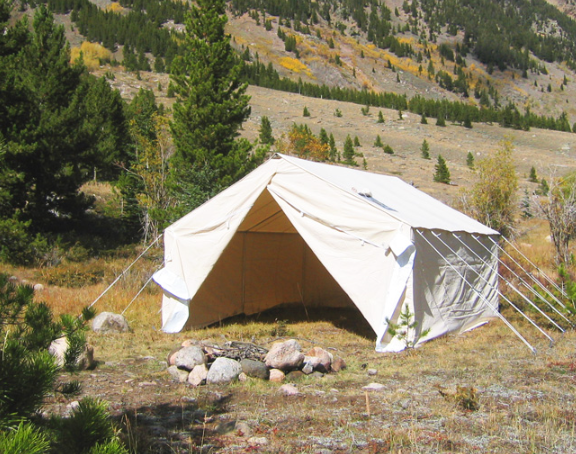
Camping is a fantastic way to connect with nature, but it’s essential to do so thoughtfully to minimize your ecological footprint. Choosing eco-friendly camping equipment is a vital step in ensuring that our beautiful landscapes remain pristine for future generations. In this post, we’ll explore some top eco-friendly camping gear options.
1. Sustainable Tents
When selecting a tent, consider designs made from recycled or sustainably sourced materials. Many companies now produce tents from post-consumer plastics, which not only help reduce waste but also provide durability and longevity. For instance, tents made from recycled polyester offer a great balance between sustainability and performance, keeping you dry and protected while minimizing your environmental impact.
Additionally, some brands focus on energy-efficient production methods, reducing carbon footprints even before you step out into the wild. Investing in a quality tent may mean a higher initial cost, but it often translates to better craftsmanship and a longer lifespan—ultimately benefiting the planet by reducing waste.
-
- Look for tents made from recycled or organic materials.
-
- Choose brands with a transparent supply chain and ethical practices.
-
- Consider lightweight designs to reduce transportation emissions.
-
- Maintain your tent well to prolong its life and effectiveness.
2. Solar-Powered Gadgets
Modern technology can be eco-friendly if you opt for solar-powered gadgets. From portable chargers to solar lanterns, these devices harness energy from the sun, allowing you to recharge your devices without reliance on fossil fuels. For example, solar-powered lanterns are not only efficient but can lighten your load by doing away with heavy batteries.
Investing in solar-powered gadgets can also enhance your camping experience, making it more comfortable by ensuring you stay connected—or simply having light when the sun goes down. Many of these gadgets are compact, making them easy to carry and set up in your campsite.
-
- Prioritize solar-powered devices over battery-operated ones.
-
- Check the efficiency ratings of solar gadgets to maximize energy use.
-
- Ensure your solar panels are clean for optimal performance.
-
- Think about your energy needs to choose the right gadgets for your trip.
3. Eco-Friendly Cookware
Cooking while camping can be both easy and eco-friendly if you choose the right cookware. Opt for products made from sustainable materials like bamboo, recycled aluminum, or non-toxic ceramics. These materials are not only lightweight but also carry minimal environmental impact compared to conventional cookware options.
In addition to selecting the right material, think about buying multi-functional items to minimize the number of cooking tools you bring. A pot that doubles as a frying pan or a collapsible bowl can save space and lessen the resources consumed in their production.
-
- Choose cookware made from sustainable materials.
-
- Look for multi-functional tools to reduce packing weight.
-
- Opt for biodegradable soaps and sponges for cleaning.
-
- Campfire cooking can save gas propane; use it wisely.
4. Reusable and Biodegradable Products
When camping, disposable products often lead to excess waste. Instead, consider investing in reusable items, such as water bottles, utensils, and food containers. These choices not only help to reduce waste but also can save money in the long run as you won’t need to buy disposable items repeatedly.
In addition to reusable products, opting for biodegradable options—like compostable plates and utensils—gives you peace of mind that you’re not adding to landfill waste. These items break down naturally and can be a great alternative to traditional plastic products while still making your camping experience convenient.
-
- Choose reusable items for eating and drinking.
-
- Pack biodegradable products when disposables are necessary.
-
- Carry a small trash bag to collect waste for proper disposal.
-
- Educate others about the benefits of reducing single-use items.
5. Eco-Friendly Clothing and Gear
Your clothing can also contribute to a more sustainable camping experience. Look for outdoor clothing made from recycled or organic materials, which not only support environmental efforts but also provide comfort during your adventures. Brands that produce eco-friendly clothing often focus on durability, ensuring that your items last longer, which further reduces waste.
Aside from clothing, consider gear such as sleeping bags and backpacks made from sustainable materials. High-quality sleeping bags that utilize down or recycled fibers can conserve body heat and ensure a good night’s sleep without compromising on comfort or environmental responsibility.
-
- Prioritize wearable items made from recycled or organic materials.
-
- Choose brands that promote ethical manufacturing practices.
-
- Invest in durable gear to extend its lifespan.
-
- Research options for second-hand gear as a sustainable choice.
By incorporating eco-friendly camping equipment into your outdoor adventures, you can minimize your environmental impact while enjoying the natural world. Every small step counts, and choosing sustainable options not only enhances your camping experience but also contributes positively to the planet. Begin your journey into eco-friendly camping today, and inspire others to join you in preserving our beautiful outdoors!