
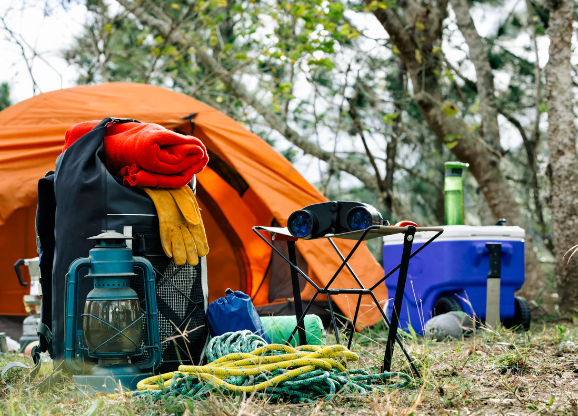
Camping is an excellent way to connect with nature, relax, and recharge. However, with the beauty of the outdoors comes the need for responsible waste management. Having the right gear can ensure that our camping adventures leave minimal impact on the environment.
1. Waste Sorting Solutions
One of the best strategies for effective waste management while camping is sorting waste at the source. This involves using specialized containers to separate recyclables, compostables, and trash. Many companies offer portable waste sorting stations that can be easily transported and set up at your campsite. These stations usually come with clear labels, making it easier to ensure that every type of waste goes in the right container.
Additionally, having separate bags or bins for different waste types can prevent contamination. For instance, if food scraps are mixed with recyclables, it can render the recyclables unusable. This is why using designated bags for compost items, recyclable materials, and regular trash can help maintain a clear system of waste sorting.
-
- Use color-coded bags for easy identification.
-
- Label bins accurately for recyclables, compost, and trash.
-
- Consider a compact, portable waste sorting station.
-
- Educate fellow campers on the importance of sorting.
-
- Check local recycling guidelines before the trip.
2. Portable Toilets and Hygiene Kits
When nature calls, having a portable toilet can significantly enhance your camping experience. These compact and often foldable units provide a hygienic way to manage human waste. They come in various styles, from simple bucket systems to more advanced composting toilets. Many offer features like odor control and easy cleanup, making them a worthy investment for serious campers.
Additionally, hygiene kits play a crucial role in waste management while in the great outdoors. These kits typically include biodegradable soap, toilet paper, and hand sanitizer. Opting for biodegradable products ensures that you leave no harmful traces behind. Always check your campsite’s rules and regulations, as some may require the use of specific types of toilets or have other hygiene-related guidelines.
-
- Invest in a portable toilet suitable for your camping style.
-
- Keep biodegradable wipes and soaps on hand.
-
- Follow local guidelines for disposing of waste.
-
- Practice good hygiene to keep your campsite clean.
-
- Consider using a trowel for digging a cat hole if toilets aren’t available.
3. Eco-Friendly Trash Bags
Using standard plastic bags for trash may seem convenient, but they aren’t biodegradable and can harm wildlife if accidentally left behind. Instead, investing in eco-friendly trash bags made from biodegradable or recyclable materials is a sustainable choice. These bags offer a similar level of convenience but break down naturally over time, reducing environmental impact.
Moreover, these options are available in varying sizes to accommodate different types of waste. Some brands even offer compostable bags specifically designed to handle food scraps. Ensure that the trash bags you choose are durable enough to withstand the elements, especially if you’re camping in more rugged areas.
-
- Opt for compostable or biodegradable trash bags.
-
- Choose sturdy bags to withstand rain and moisture.
-
- Use different-sized bags for various types of waste.
-
- Always pack out what you pack in.
-
- Secure bags to prevent animals from foraging.
4. Pack-Out Solutions for Food Waste
Food scraps can attract wildlife and create an unsanitary camping environment. Therefore, having a reliable pack-out solution for food waste is essential. Many campers use airtight containers or bags designed specifically for food waste to seal in odors and prevent animals from getting into them.
Another practical option is to use specialized food waste bags that are biodegradable. These are designed to break down quickly and can often be composted at home. Remember to empty these bags into proper disposal units once you’re back from your trip; never leave them behind in nature.
-
- Store food waste in sealed, airtight containers.
-
- Use biodegradable waste bags specifically for food scraps.
-
- Always have a plan for packing out food waste.
-
- Avoid feeding wildlife by managing your food disposal properly.
-
- Consider composting food scraps at home if possible.
5. Educational Resources and Apps
Before heading out, research is key to understanding local waste management guidelines. Many campsites offer educational resources detailing how to handle waste responsibly. By utilizing apps geared towards outdoor ethics and leave-no-trace principles, you can stay informed and ensure that you are adhering to best practices while camping.
Some apps even provide information on recycling locations and waste disposal facilities near your campsite. Being prepared in advance not only enhances your camping experience but also promotes respect for the environment, allowing others to enjoy nature as well.
-
- Investigate local waste management guidelines before your trip.
-
- Use apps to track recycling centers and waste disposal services.
-
- Educate yourself on leave-no-trace principles.
-
- Share resources with fellow campers to spread awareness.
-
- Consider following environmental organizations for ongoing tips and updates.
Effective waste management is not just about keeping your campsite tidy; it’s about respecting nature and ensuring that everyone can enjoy the outdoors. By investing in the right gear and adopting responsible waste practices, you can contribute to a sustainable camping culture. So, gear up, educate yourself, and make every camping trip a positive experience for both you and the environment!