
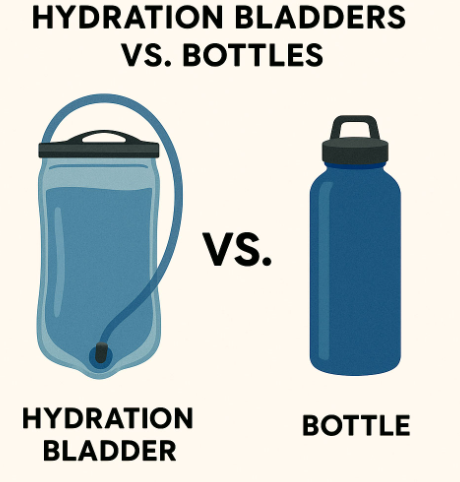
Choosing the right hydration system for your camping adventures can significantly enhance your experience. While camping water bottles and hydration bladders both serve the primary purpose of keeping you hydrated, they have distinct advantages and disadvantages that make them suitable for different scenarios. Understanding these differences will help you make an informed choice.
1. Camping Water Bottles: Versatile and Reliable
Camping water bottles are a classic choice for outdoor enthusiasts. Their simplicity and reliability make them a go-to option for many. They come in various sizes and materials, such as stainless steel, plastic, and glass, catering to different preferences and needs. For instance, stainless steel bottles are durable and excellent at keeping beverages hot or cold, while lightweight plastic bottles may be easier to carry on long hikes.
When using a water bottle, filling it up is straightforward, often requiring only a few steps. Most camping water bottles are designed with wide mouths for easy cleaning and faster filling, making them convenient when you’re quick to quench your thirst. However, be mindful that carrying multiple bottles can add weight to your pack, especially on extended trips.
-
- Choose a bottle size based on your hydration needs.
-
- Opt for materials like stainless steel if temperature retention is essential.
-
- Keep the bottle clean to prevent odors and tastes.
-
- Consider models with built-in filtration systems for additional safety.
2. Hydration Bladders: Convenience on the Go
Hydration bladders have been increasingly popular among hikers and bikers primarily due to their convenience. Usually stored in a backpack, they come with a hose that allows you to drink hands-free, making them particularly useful during intense activities. This design ensures that staying hydrated doesn’t slow you down when you need to keep moving, whether you’re traversing rugged terrain or cycling along challenging paths.
A major benefit of hydration bladders is their ability to hold a substantial amount of water in a compact design, often between 1.5 to 3 liters. This capacity allows for longer stretches without the need to stop for refills. However, while convenient, hydration bladders require more maintenance, including regular cleaning to prevent mold or algae buildup. Becoming accustomed to using the hose can also take some practice, as it requires a bit of coordination, especially while navigating uneven ground.
-
- Practice using the hose in a controlled environment before the trip.
-
- Prioritize bladders made from food-safe materials to ensure safety.
-
- Empty and clean your bladder after each use to maintain hygiene.
-
- Buy a bladder with a wide opening for easier cleaning and filling.
3. Weight and Portability: Making Your Choice
When planning a camping trip, weight is often a crucial consideration. Camping water bottles inherently take up more space when you carry multiple units; however, they are generally more durable. In contrast, hydration bladders are designed to fit inside your backpack, making them more portable in comparison. This could be a deciding factor for hikers looking to minimize pack weight, especially during longer treks.
Additionally, consider personal comfort levels. While hydration bladders are lighter, those new to them might find it difficult to gauge how much water they have consumed. Conversely, water bottles allow for visual checks but can be cumbersome when accessing a bag or practicing activities that require the use of both hands. Balancing these factors can lead to a more enjoyable outdoor experience.
-
- Assess the length of your trip to determine how much hydration you need.
-
- Test the weight of both options with gear before your trip.
-
- Utilize hydration bladders for high-energy activities to keep your hands free.
-
- Remember to pack a backup option, especially on longer excursions.
4. Maintenance and Cleaning: Keeping Your Gear Fresh
Proper maintenance is vital regardless of which hydration method you choose. For camping water bottles, washing them regularly is often straightforward. Most can be placed in dishwashers, but it’s best to refer to the manufacturer’s instructions. Some bottles may also come with specialized cleaning kits that assist in removing stains and odors, making upkeep simple and efficient.
On the other hand, hydration bladders require a bit more attention to keep them in good shape. It’s essential to clean them after every use to prevent the growth of bacteria or fungi. Special brushes and drying racks are available to assist with this. Always remember to check that the bladder and tube are completely dry before storing to avoid mold issues.
-
- Follow the cleaning instructions provided with your hydration gear.
-
- Invest in a quality cleaning kit for hydration bladders.
-
- Check and clean the hose regularly to enhance its longevity.
-
- Store hydration bladders unrolled and dry to prevent wear and tear.
In conclusion, both camping water bottles and hydration bladders offer unique benefits catered to different preferences and activities. Assess your specific needs based on the type of outdoor adventure you’ll embark on to choose the best option for you. Embrace the outdoors fully hydrated and ready for adventure!