
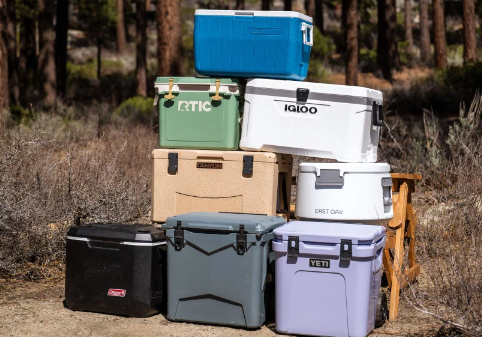
When it comes to outdoor adventures, having the right gear is essential for a great experience. Among the must-have items are camping coolers and ice chests, both designed to keep your food and beverages cold, yet differing in features and functionality. Understanding the distinctions between them can help you make an informed choice for your next camping trip.
1. What is a Camping Cooler?
A camping cooler is a portable insulated container designed to keep your food and drinks cold for extended periods. Typically made from durable plastic, these coolers can range significantly in size and design, from small personal coolers to larger models suitable for group outings. Many coolers are equipped with advanced insulation technology that can maintain low temperatures for up to several days, ideal for keeping perishable items safe during camping trips.
For example, brands like YETI and Coleman offer models with thick insulated walls, ensuring that ice lasts longer than in standard models. Some coolers even come with features like built-in UV protection to prevent the exterior from fading, making them a great long-term investment for outdoor enthusiasts. With the right cooler, you can enjoy fresh food without the worry of spoilage.
-
- Choose a size according to your group size and duration of the trip.
-
- Look for models with heavy-duty insulation for optimal cooling.
-
- Consider features like wheels and handles for easy transport.
-
- Check for additional functional aspects, like cup holders and bottle openers.
2. Understanding Ice Chests
Ice chests, often used interchangeably with coolers, usually refer to simpler, less-insulated containers designed predominantly for short-term cooling needs. They may not offer the same level of insulation as premium coolers, making them suitable mainly for day trips or picnics where food is consumed quickly. While ice chests are typically less expensive, they often compromise on durability and extended cooling time.
A basic example of an ice chest is the classic Styrofoam cooler, which is lightweight and easy to handle but can only keep contents cold for a limited time. If you are planning a quick beach outing or an afternoon barbecue, an ice chest might be just what you need, as it gets the job done without breaking the bank. However, for longer outings, an ice chest might leave you scrambling for fresh supplies.
-
- Use them for short trips to keep drinks cold temporarily.
-
- Opt for lightweight options for easier transport.
-
- Keep in mind that the insulation levels will vary significantly.
-
- Look for tight-fitting lids to minimize heat ingress.
3. Comparison: Pros and Cons of Each
When deciding between a camping cooler and an ice chest, weighing the pros and cons is vitally important. Camping coolers generally provide superior insulation, keeping ice from melting for longer periods. This is essential for longer camping trips, as they save you the hassle of constantly replenishing ice and supplies.
On the flip side, ice chests are often lighter and easier to carry, making them perfect for shorter outings where you need something portable. However, their lack of insulation can lead to food spoilage if used over prolonged periods. Therefore, choosing one over the other depends on the nature and duration of your outdoor activities.
-
- Evaluate the duration of your trip to decide on the best option.
-
- Consider your budget when selecting between a premium cooler and a basic ice chest.
-
- Think about the food and drinks you’ll need to store; if perishables are involved, choose a camping cooler.
-
- Assess how much weight you’re willing to carry for portable convenience.
4. Making the Right Choice for Your Needs
Deciding whether to invest in a camping cooler or an ice chest should be based on your specific needs and how you plan to use it. If your adventures typically last multiple days and require keeping food fresh, then investing in a high-quality camping cooler is worth every penny. However, if you usually engage in short activities where quick access to refreshments is all you need, then an ice chest might be sufficient.
Moreover, consider factors like climate and the types of activities you’ll be participating in. For example, if you’re going to a hot location, even cooler temperatures could lead to quicker melting of ice in an ice chest. If applicable, verify the warranty and durability ratings of each product to ensure a reliable purchase.
-
- Identify your typical camping activities to gauge your needs.
-
- Research product reviews to see how others have performed with similar models.
-
- Prioritize features that matter the most, such as insulation, weight, and durability.
-
- Use special offers or discounts to maximize your investment.
In conclusion, understanding the differences between camping coolers and ice chests can greatly enhance your next outdoor adventure. Take the time to assess your specific requirements to make a thoughtful decision. Equipped with the right tools, you’ll ensure that your trips are enjoyable and hassle-free.