
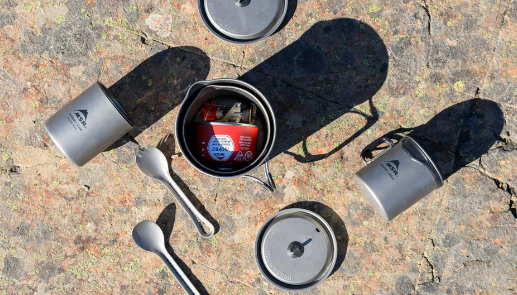
Camping is a beloved outdoor activity that connects us with nature, but to truly enjoy the experience, having the right cookware is essential. The materials used in camping cookware significantly impact performance, weight, and overall usability. This post will explore different cookware materials to help you make an informed decision for your next outdoor adventure.
1. Aluminum Cookware
Aluminum is one of the most popular materials used for camping cookware due to its lightweight and durable nature. It heats up quickly and evenly, making it ideal for cooking various meals with minimal wait time. Additionally, anodized aluminum options provide extra resistance against scratches and corrosion, enhancing longevity without adding extra weight.
However, aluminum can react with acidic foods, which might alter the taste and pose health risks. To avoid this, always cook non-acidic meals, or opt for non-stick coatings or anodized options that create a barrier between the metal and food. Choose aluminum cookware for high-efficiency cooking in lightweight gear.
-
- Ensure you are using anodized aluminum to prevent reactions with acidic foods.
-
- Look for ultra-light models if backpacking is on your agenda.
-
- Regularly inspect for scratches to maintain integrity.
-
- Avoid using metal utensils to prolong the life of your non-stick coating.
2. Stainless Steel Cookware
Stainless steel cookware is known for its durability and resistance to rust and staining. It doesn’t react with acidic or alkaline foods, which makes it safe for a variety of camping meals. Stainless steel products often come with thick bases that allow for better heat distribution, which means you can expect consistent cooking results.
On the downside, stainless steel is generally heavier compared to aluminum and may not be the best choice for ultra-light backpacking. However, its durability makes it an excellent long-term investment for families or groups who often camp together. The sturdiness can also withstand rugged terrains, making it a smart option for outdoor enthusiasts.
-
- Choose multi-layered stainless steel designs for even heat distribution.
-
- Look for lightweight versions if weight is a concern.
-
- Invest in a set that includes different pot sizes for versatile cooking options.
-
- Check that the handles remain cool to the touch to prevent burns.
3. Cast Iron Cookware
Cast iron cookware provides the ultimate cooking experience if you’re seeking durability and excellent heat retention. Perfect for campfire cooking, it can be used to cook anything from stews to baked goods, allowing for diverse meal preparation. Its weight can be a downside for hiking, but it’s incredibly versatile for car camping or base camping setups.
One of the standout features of cast iron is its ability to create a non-stick surface when well-seasoned, which enhances flavor while being healthier. While it requires some maintenance—seasoning it with oils to prevent rust—it rewards campers with long-lasting performance and taste enhancement. It’s worth noting that cast iron takes longer to heat up, so keep this in mind when planning your cooking timeline.
-
- Season your cast iron well before your trip to improve non-stick performance.
-
- Bring a sturdy carry bag to manage the weight while hiking.
-
- Remember that cleaning should be done carefully to preserve the seasoning.
-
- Use it for over-the-fire cooking for that unparalleled flavor.
4. Titanium Cookware
Titanium cookware offers a fantastic balance between weight and strength, making it an excellent choice for serious backpackers. Known for its durability and resistance to corrosion and scratching, titanium is also non-reactive, providing a safe cooking surface for all types of food. Its lightweight nature means you won’t feel burdened while hiking, making it perfect for multi-day excursions.
On the flip side, titanium heats unevenly compared to aluminum or stainless steel, sometimes leaving hot spots that can lead to burning food. Many titanium products often come with non-stick surfaces, which mitigates this issue. If you’re looking for a high-quality, long-lasting investment, titanium cookware is a worthy competitor.
-
- Select titanium cookware with a non-stick coating for better cooking performance.
-
- Pay attention to heat settings to avoid food burning.
-
- Always use compatible utensils to prevent damage to the coating.
-
- Check the packaging for weight specifications to gauge suitability for hiking.
Choosing the right camping cookware material can significantly enhance your outdoor cooking experience. By understanding the pros and cons of aluminum, stainless steel, cast iron, and titanium, you can select the best fit for your camping needs. Take the time to evaluate your cooking preferences and pack accordingly for your next camping adventure!