
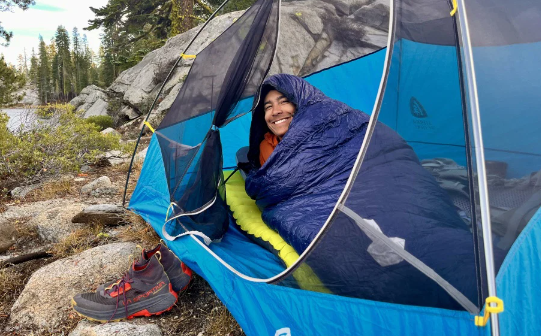
Winter camping can be an exhilarating experience, offering breathtaking views and the chance to bond with nature like never before. However, staying warm and comfortable is essential, and choosing the right sleeping bag is critical to ensuring a good night’s sleep in cold temperatures.
1. Temperature Ratings: Understanding What You Need
When selecting a winter camping sleeping bag, the temperature rating is one of the most crucial features to consider. Most sleeping bags come with a temperature range, indicating the lowest temperature at which they can keep a user comfortable. For winter camping, look for bags rated for at least 20°F to 0°F, depending on how cold you expect it to be. A bag rated for extreme conditions can also be a wise investment for those camping in particularly frigid climates.
It’s important to remember that personal tolerance to cold varies by individual. Factors like your metabolism, clothing layers, and how much insulation the bag provides can influence how warm you feel. Some brands offer sleeping bags with comfort ratings, which indicate the temperature range where real people find the bag comfortable. Always verify the manufacturer’s specs before you buy.
-
- Check the sleeping bag’s temperature rating before purchasing.
-
- Consider personal comfort and tolerance to cold.
-
- Look for bags with both comfort and lower-limit ratings.
-
- Test your sleeping bag indoors if possible before your trip.
2. Insulation Types: Choosing What Works for You
The insulation type in your sleeping bag plays a vital role in its warmth, weight, and packability. Primarily, sleeping bags use either down insulation or synthetic fill. Down sleeping bags are typically warmer and lighter but can lose their insulating properties when wet. On the other hand, synthetic insulation performs better in damp conditions and dries quickly, but may not compress as well as down. If you’re camping in an area with unpredictable weather, a synthetic bag might be the better choice.
When deciding between the two, consider factors like budget and pack space. Down bags tend to be more expensive but offer excellent warmth-to-weight ratios, making them desirable for backcountry camping. Synthetic bags are generally more affordable and still provide adequate warmth for winter camping. Each insulation type has its unique benefits, so your choice will depend on your camping needs.
-
- Consider your usual camping conditions (dry vs. wet).
-
- Factor in weight and packability needs.
-
- Evaluate personal budget when selecting insulation type.
-
- Read reviews to see how well bags perform in real conditions.
3. Size and Fit: Finding the Right Sleeping Bag
Choosing the correct size and fit for your sleeping bag can dramatically impact your comfort level during winter camping. A snug sleeping bag can help trap your body heat more effectively, while a bag that is too large may leave too much empty space, increasing heat loss. Most bags come in various sizes, including options for different heights and body types, so choose wisely to maximize warmth.
Some sleeping bags come with a mummy shape, which offers a closer fit around the body, thus minimizing the amount of cold air your body encounters. If you tend to move a lot during sleep, consider one that provides a bit more room. Be sure to test out the bag for space and movement if you can, ensuring you can comfortably sleep in it with extra layers if needed.
-
- Test different sizes to find your best fit.
-
- Consider a mummy shape for better heat retention.
-
- Make room for extra layers in particularly cold conditions.
-
- Check for footboxes or other features for added comfort.
4. Features: Additional Elements to Consider
When shopping for a winter sleeping bag, keep an eye out for extra features that can enhance your camping experience. Consider bags with draft collars, to keep cold air from sneaking in around your neck, or integrated hoods that trap heat. Additionally, look for sleeping bags with zippers that can be opened from both ends for ventilation, especially if you’re camping in variable weather conditions.
Another useful feature can be a built-in pocket for storing small essentials like a headlamp or your phone, which allows for easy access without leaving the warmth of your bag. Some sleeping bags also come with water-resistant shells, which can protect the insulation from moisture. Investing in these added features can make your winter camping more comfortable and enjoyable.
-
- Look for draft collars to minimize heat loss.
-
- Choose hoods for better warmth retention.
-
- Opt for bags with double zippers for ventilation.
-
- Check for water-resistant outer shells for extra protection.
5. Price Range and Brand Options: Making the Right Choice
There’s a wide price range for winter sleeping bags, influenced by brand reputation, materials, and features. High-end sleeping bags from reputable brands can cost between $300 and $600, but these often offer superior insulation, lighter weight, and longer durability. However, more affordable options exist that can still provide good warmth and performance, typically ranging between $100 and $300. The key is to find a balance between quality and your budget.
Some top brands in the winter sleeping bag market include REI, Marmot, and Big Agnes. They offer a variety of models catering to different needs and preferences. Always check user reviews and warranty options, as purchasing known brands often comes with reliable customer support in case you encounter issues with your gear.
-
- Research various brands and their reputations.
-
- Read reviews to find the best fit for your budget.
-
- Look for warranties and customer support options.
-
- Don’t shy away from secondhand gear if in good condition.
In conclusion, selecting the right winter camping sleeping bag involves careful consideration of temperature ratings, insulation types, size, and useful features. By doing your homework and assessing your individual needs, you can make an informed decision that will enhance your winter camping experience. Don’t hesitate to consult outdoor gear specialists for advice tailored to your specific camping conditions and preferences.