
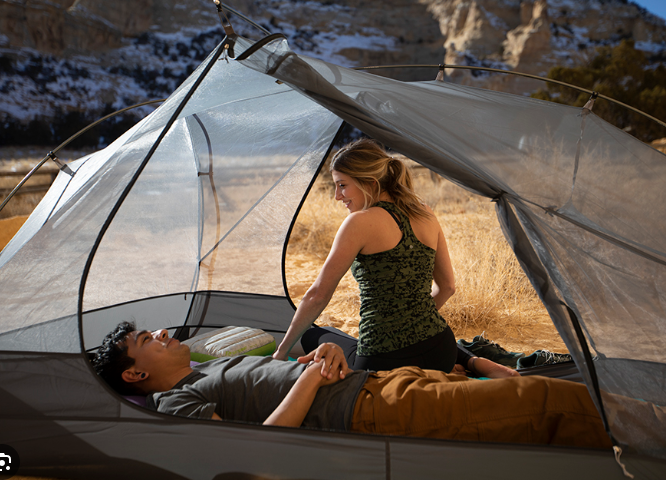
Camping offers a refreshing escape into nature, but your equipment can take a beating from dirt, moisture, and wear. Cleaning your camping gear not only prolongs its life but also ensures a healthier and more enjoyable experience on your next outdoor adventure. Here are some practical steps to effectively clean and maintain your camping equipment.
1. Cleaning Tents and Tarps
Your tent and tarps are crucial for shelter during your camping trips, so keeping them clean is essential. Start by removing any loose dirt and debris from the outer surface using a soft brush or cloth. Next, set up your tent in a shady area to avoid direct sunlight, as ultraviolet rays can degrade the fabric. Use mild soap and warm water with a sponge to scrub any stains or spots, and rinse thoroughly with clean water to remove any soap residue.
Once you’ve cleaned your tent, ensure it is dry before packing it away. Moisture can lead to mold and mildew, damaging the fabric over time. Hang it up or lay it flat to air dry completely, and store it in a breathable storage bag to avoid moisture build-up during storage.
-
- Set up the tent in a shaded area while cleaning.
-
- Use a mild soap solution and a soft sponge.
-
- Rinse thoroughly to avoid soap residue.
-
- Ensure complete drying before storage.
-
- Use a breathable bag for storage.
2. Caring for Sleeping Bags and Mats
Sleeping bags and mats can accumulate dirt and grime from extended use, which can affect their insulation and comfort. For sleeping bags, check the manufacturer’s instructions for specific washing guidelines. In general, it’s best to clean them in a front-loading washing machine on a gentle cycle, using a mild detergent. Avoid fabric softeners as they can damage the material’s water-resistant coating.
After washing, it’s crucial to dry your sleeping bag properly. Use low heat in a dryer and add a couple of clean tennis balls to fluff the filling during the drying process. For sleeping mats, wipe them down with a damp cloth and mild soap, making sure to clean the seams where dirt and moisture can hide.
-
- Check washing instructions for your sleeping bag.
-
- Use a front-loading washing machine on a gentle cycle.
-
- Avoid fabric softeners for washing.
-
- Dry sleeping bags with tennis balls for fluffiness.
-
- Wipe sleeping mats with a damp cloth and mild soap.
3. Maintaining Cooking Gear
Cooking gear, including pots, pans, and utensils, can be susceptible to grease build-up and debris. After each camping trip, clean your cookware using hot, soapy water. For stubborn stains or burnt food, you can let the cookware soak for a while before scrubbing them. Avoid using abrasive sponges that may scratch non-stick surfaces.
An important aspect of cleaning camping cookware is to ensure all pieces are completely dry before packing them away. Moisture can cause rust, especially with metal utensils. Consider using a soft cloth to dry them thoroughly or leave them out in the open air for a while after washing.
-
- Use hot, soapy water for cleaning cookware.
-
- Let stubborn stains soak before scrubbing.
-
- Avoid abrasives on non-stick surfaces.
-
- Dry all pieces completely before storage.
-
- Store utensils in a breathable container.
4. Cleaning Backpacks and Bags
Backpacks and storage bags often endure dirt from your hikes and camping activities. Start by emptying out all pockets and compartments to ensure you remove any leftover items. Use a mixture of warm water and mild detergent for cleaning, and a sponge or cloth to wipe down the exterior and interior. Pay special attention to areas where dirt accumulates, like straps and seams.
After washing, rinse thoroughly with clean water and hang the backpack upside down to dry completely. Avoid direct sunlight to prevent fading or weakening of the material. If your bag has mesh pockets, be sure to clean them gently to avoid tears or snags.
-
- Empty all pockets before cleaning.
-
- Use warm water and a mild detergent.
-
- Pay attention to straps and seams.
-
- Rinse thoroughly and dry upside down.
-
- Avoid direct sunlight during drying.
Cleaning your camping equipment can feel like a daunting task, but it is a vital part of the outdoor experience. Regular maintenance not only keeps your gear in top condition but also enhances your camping adventures. Start today by setting aside some time to clean your equipment, and prepare for your next excursion with confidence!