
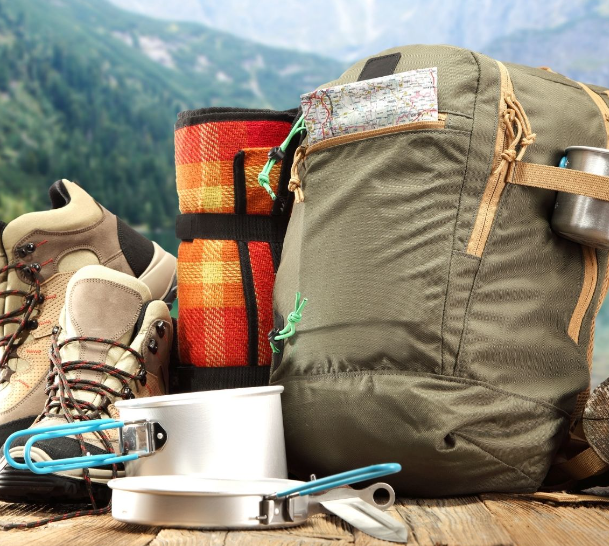
Camping is a cherished activity that allows us to reconnect with nature, but maintaining your camping equipment is crucial for ensuring safety and enjoyment. Proper care can extend the life of your gear, saving you money and enhancing your outdoor experiences. Here’s how to keep your camping equipment in top shape.
1. Regular Cleaning and Drying
One of the most critical aspects of maintaining camping equipment is regular cleaning. After each trip, it’s essential to remove dirt, mud, or any food residues from your gear. For tents, make sure to sweep out debris and clean any stains with mild soap and water using a soft sponge. Remember, allowing dirt to settle can lead to premature wear and tear.
Drying your equipment is just as important as cleaning. Moisture can promote mold and mildew, especially in tents and sleeping bags. Always set your tent up in a dry area to air it out before packing it away. For sleeping bags, unzip fully and hang them in a dry place if they get damp. This simple routine can help maintain the integrity and functionality of your gear.
-
- Set a cleaning schedule after every camping trip.
-
- Use mild soap and a soft sponge for gentle cleaning.
-
- Allow all gear to air dry completely before packing.
-
- Store items in a cool, dry place to prevent moisture absorption.
-
- Inspect for signs of mold or mildew regularly.
2. Proper Storage Techniques
How you store your camping gear can greatly affect its longevity. Avoid compressing items like sleeping bags or tents, as this can lead to loss of insulation or fabric damage over time. Instead, store them in breathable storage bags that allow air circulation. This technique will help keep your items in optimal condition, ready for your next adventure.
Label your storage containers for quick identification. Organizing your gear into categories, such as cooking equipment, sleeping gear, and outdoor clothes, can also save time when packing for a trip. Additionally, take the time to do an inventory check to ensure your equipment is complete and functioning, reducing last-minute surprises before you hit the road.
-
- Use breathable storage bags for tents and sleeping bags.
-
- Avoid compressed storage to maintain insulation.
-
- Label containers for quick identification.
-
- Organize gear into categories for efficient packing.
-
- Conduct regular inventory checks of your equipment.
3. Routine Inspections and Repairs
Routine inspections are essential to catch any potential issues before they become significant problems. Check for tears, broken zippers, or other damages on tents, bags, and other gear regularly. This proactive approach can help you address minor issues before they turn into costly repairs. Additionally, keeping a repair kit on hand with patching materials and tools can be a lifesaver in the field.
For items like stoves and lanterns, ensure they are functioning properly by doing preseason tests. Clean the burners and check fuel lines for any blockages or leaks. Keeping detailed records of repairs and maintenance performed can provide insight into any equipment’s lifespan, helping you make better decisions when it comes time to replace or upgrade gear.
-
- Inspect all gear for damage regularly.
-
- Carry a repair kit while camping for emergencies.
-
- Test stoves and lanterns before hitting the road.
-
- Keep records of maintenance and repairs.
-
- Don’t delay fixing minor issues to avoid bigger problems.
By focusing on regular cleaning, proper storage, and conducting routine inspections, you can ensure your camping equipment remains ready for every adventure. So roll up your sleeves, start a maintenance routine, and enjoy peace of mind on your next trip!