
When it comes to camping, enjoying nature can mean a lot of delicious meals under the stars. However, ensuring that your food stays fresh and safe to eat is just as important as securing the perfect campsite. This blog post will delve into essential camping food storage gear that every outdoor enthusiast should have on their checklist.
1. Insulated Coolers
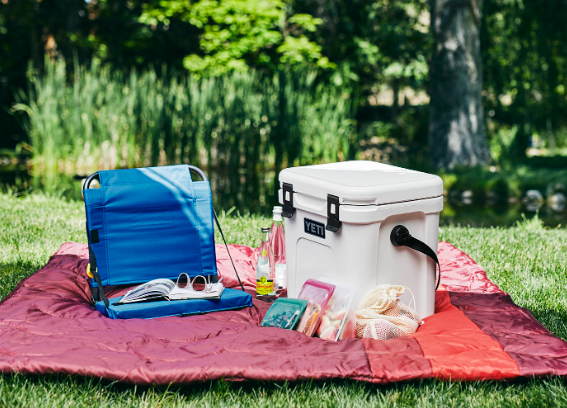
An insulated cooler is a crucial item for any camping trip, especially for those longer stays where fresh food is a priority. These coolers can keep your perishables cool and safe to consume. A good quality cooler can maintain low temperatures for days, allowing you to store meat, dairy products, and fresh fruits and vegetables without worrying about spoilage.
When choosing a cooler, consider the size based on your group’s needs. Larger coolers can hold more food but may be cumbersome to transport. Also, look for features like heavy-duty insulation, a leak-proof design, and easy-to-carry handles for increased portability.
-
- Choose a cooler that best fits your meal plan and group size.
-
- Pre-chill your cooler and the items inside for maximum efficiency.
-
- Opt for block ice instead of ice cubes to minimize water accumulation.
-
- Keep the cooler closed as much as possible to retain cold air.
2. Food Storage Containers
Food storage containers are vital for keeping non-perishable items organized and protected from critters. Opt for BPA-free, airtight containers to prevent leaks and keep your food fresh. These containers come in various sizes, making it easy to separate different types of food, such as grains, snacks, or spices.
In addition to standard containers, consider using vacuum-seal bags for items like meats or marinated vegetables. Vacuum-sealing reduces air exposure, which greatly extends the shelf life of your food during your camping trip. Being organized in your food storage can also mean easier, hassle-free meal prep while you’re at your campsite.
-
- Use clear containers for easy identification of contents.
-
- Label your containers with dates for food rotation.
-
- Store dry goods like pasta and beans in separate, smaller containers.
-
- Carry a small roll of plastic wrap or aluminum foil for additional covering.
3. Bear-Resistant Storage
If you’re camping in bear country, having bear-resistant storage is paramount for both your safety and that of wildlife. These specialized containers are designed to withstand bear attempts to break in while keeping your food secure. They come in hard-sided versions and soft-sided bags that are approved for use in national parks.
Bear canisters are not only essential for protecting your food but also for keeping other animals away from your campsite. Ensure you are familiar with how to properly lock and secure these containers, as incorrect usage may give animals access to your food supply.
-
- Check local regulations to see if bear canisters are required.
-
- Store food and toiletries in bear-proof containers when in bear territory.
-
- Keep these containers at least 100 yards away from your sleeping area.
-
- Get familiar with proper opening and closing mechanisms for your containers.
4. Portable Cooking Gear
The right portable cooking gear can also play a role in food storage and meal preparation efficiency. Compact stoves, portable grills, and lightweight cookware allow you to cook your meals right at your campsite without needing to rely on complicated methods. Look for gear that packs down small for easy transport.
In addition, consider investing in multi-functional items, such as a pot that doubles as a bowl or a pan that can be used over a fire pit. Having flexible options helps streamline cooking while ensuring your equipment doesn’t take up too much space in your pack.
-
- Choose collapsible or nesting cookware for space-saving solutions.
-
- Bring lightweight, compact stoves that are suitable for your meal types.
-
- Pack biodegradable soap and scrubbers for easy cleaning.
-
- Don’t forget a portable chopping board for meal prep.
By investing in the right gear for camping food storage, you’re setting yourself up for a successful and enjoyable outdoor experience. Proper planning can help you avoid last-minute scrambles for food safety. Remember, the goal is to relish every bite of your delicious camp meals while keeping everything organized and protected.
Whether you are a seasoned camper or a newbie, following these suggestions can make your camping culinary adventure a breeze. Equip yourself with the right camping food storage gear and get ready for a fantastic trip into the great outdoors!