
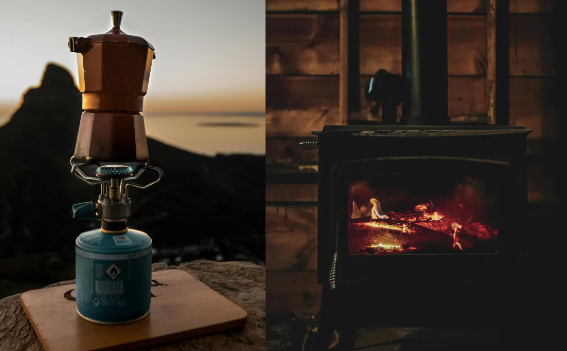
Choosing between a camping wood stove and a gas stove can significantly affect your outdoor cooking experience. Each type has its own unique benefits and drawbacks, making the choice personal and situation-dependent. This guide will delve into the key features, pros, and cons of both options, helping you make an informed decision for your next camping trip.
1. Performance and Efficiency
When it comes to performance, gas stoves tend to offer quick and consistent heat. They can reach high temperatures almost instantly, which is ideal for boiling water or cooking meals efficiently. In contrast, wood stoves generally take longer to heat up and require a bit of skill to manage the flames and airflow effectively. The efficiency of a wood stove can vary significantly based on the type of wood used; dry, seasoned wood produces better heat and cleaner burns compared to green or wet wood.
However, wood stoves can provide a unique cooking experience, allowing you to enjoy the ambiance of an open flame. The flavors imparted by cooking over wood can sometimes elevate dishes, offering a rustic taste that gas cannot replicate. Understanding how to use the stove for optimal performance is crucial for both options.
-
- Test your stove at home to understand its heating capabilities.
-
- Keep a thermometer handy to monitor cooking temperatures.
-
- For wood stoves, always use dry and seasoned wood for better efficiency.
-
- Familiarize yourself with how to adjust the airflow on a wood stove.
2. Portability and Setup
Portability is an essential factor for campers. Gas stoves are generally lighter and more compact, making them easier to pack and transport. Many models come with foldable legs and compact designs, which can fit conveniently into a backpack. On the other hand, wood stoves can be bulkier due to the need for additional fuel (wood) and are often heavier. Setting them up can also require more time, especially in gathering wood and creating a suitable base for the stove.
However, many outdoor enthusiasts prefer wood stoves for long camping trips as they don’t require the worry of running out of fuel, unlike gas stoves which rely on canisters that can run out. If you know you’ll be in a location with plenty of wood available, a wood stove might be a more sustainable choice. Understanding how to efficiently pack both types will enhance your camping experience.
-
- Choose a gas stove with a compact design for easier transport.
-
- If using a wood stove, plan your packing around fuel needs.
-
- Practice setting up both stoves at home before your trip.
-
- Designate a suitable area for your stove to ensure safety.
3. Environmental Impact and Cleanup
Environmental considerations are becoming increasingly important for campers. Gas stoves produce fewer emissions compared to wood stoves, making them a cleaner option for the environment. However, it is essential to use propane or butane responsibly, as leaking can be hazardous. Wood stoves, though they can burn sustainably if managed correctly, can contribute to carbon emissions and require careful attention to minimize their impact.
Cleanup is another essential aspect to consider. Gas stoves typically require minimal cleanup—often just wiping down the surface and packing away canisters. In contrast, wood stoves can leave behind ash and require more time for thorough cleaning. Proper disposal of ashes and leftover materials is crucial in caring for the environment.
-
- Invest in a portable gas stove that minimizes emissions.
-
- After your campfire, allow ashes to cool completely before disposal.
-
- Practice Leave No Trace principles regardless of the stove type.
-
- Consider using a stove with a built-in ash catcher for wood stoves.
4. Cost and Longevity
Cost is often a deciding factor when choosing camping gear. Gas stoves generally have a lower initial investment but may incur recurring costs for fuel canisters. While some higher-end models are pricier, many affordable options offer excellent performance for occasional campers. On the other hand, wood stoves usually have a higher upfront cost, particularly for those made from durable materials designed for long-term use. However, once you have a wood stove, you can potentially save on fuel costs if you have access to firewood.
Longevity also plays a role in your decision. Quality gas stoves can last several years with proper care, but they may require part replacements over time. Wood stoves, particularly those made from robust materials like stainless steel or cast iron, can last decades if maintained. They can become a valuable part of your camping gear collection and serve multiple generations.
-
- Assess your budget and camping frequency when choosing a stove.
-
- Consider investing in a high-quality wood stove for long-term durability.
-
- Factor in the ongoing fuel costs while budgeting for gas stoves.
-
- Look for stoves with warranties or guarantees for long-term assurance.
Deciding between a camping wood stove and a gas stove ultimately depends on your preferences and camping style. Evaluate your cooking requirements, environmental considerations, and portability needs to make the best choice for your next adventure. Happy camping!