
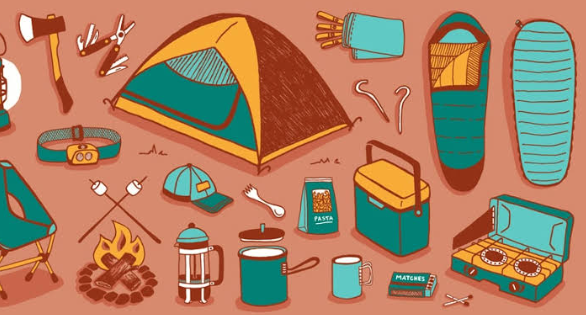
If you’re itching to escape to the great outdoors, the last thing you want is for a rainstorm to ruin your adventure. Waterproof camping equipment ensures that your gear stays dry, your comfort remains intact, and your experience is enjoyable. In this blog post, we’ll walk through an essential waterproof camping equipment checklist to help you prepare for any weather conditions.
1. Waterproof Tent
Your tent is your home away from home during your camping trips, so it must be able to withstand moisture. Look for a tent with a waterproof rating of at least 1500 mm and sealed seams. A rainfly can provide extra protection while also improving ventilation. When choosing a site, avoid low areas where water can pool, especially during heavy rains.
In addition to the tent itself, consider the flooring material. A tent with a durable, waterproof floor can further protect you from unexpected puddles. Always set up your tent first in a dry area if it begins to rain, and practice pitching your tent at home to familiarize yourself with the setup process.
-
- Choose a tent with a waterproof rating of 1500 mm or higher.
-
- Look for sealed seams to prevent leaks.
-
- Use a footprint or tarp under the tent for additional waterproofing.
-
- Practice pitching your tent ahead of your trip.
-
- Identifying a dry campsite can save you later headaches.
2. Waterproof Sleeping Gear
Staying dry while you sleep is crucial for a safe and comfortable camping experience. Consider investing in a waterproof sleeping bag or a sleeping bag liner that provides additional moisture protection. Furthermore, insulated pads or air mattresses that are also waterproof can help keep you off the cold, soaking ground.
Additionally, pack a waterproof compression sack to store your sleeping gear. This can further ensure that your items remain dry, especially if you’re traveling to locations known for unpredictable weather. It’s also a good idea to keep a backup dry bag handy for your clothes and personal items.
-
- Invest in a waterproof sleeping bag or liner.
-
- Use insulated pads or mattresses with waterproof features.
-
- Store sleeping gear in waterproof compression sacks.
-
- Pack a dry bag for your clothes and personal items.
-
- Keep an extra set of clothing in a waterproof bag for emergencies.
3. Waterproof Backpack and Gear Bags
A reliable waterproof backpack is essential for keeping your belongings safe from moisture. Look for one with welded seams and a roll-top closure for added protection. Waterproof gear bags are also beneficial for organizing your supplies and can easily fit in your backpack.
Even if your backpack isn’t fully waterproof, using dry bags inside can help protect gear like electronics and food supplies. Consider smaller zip-lock bags for items like first-aid kits and toiletries to further safeguard against water damage. Storing items properly can make a world of difference in a heavy downpour.
-
- Choose a backpack with welded seams and a roll-top closure.
-
- Use waterproof gear bags for organizing supplies.
-
- Utilize dry bags for electronics and food items.
-
- Keep a waterproof pouch for a first-aid kit and toiletries.
-
- Regularly inspect your bags for wear and tear before each trip.
4. Waterproof Clothing and Footwear
Your clothing choices can make or break your outdoor experience during wet conditions. Invest in high-quality waterproof and breathable rain jackets and pants. Layer your clothing with moisture-wicking base layers to keep sweat away, which can help you stay warm even when it’s raining.
Footwear is another critical aspect of staying dry. Waterproof hiking boots will not only keep your feet dry but also provide better traction on slippery surfaces. Don’t forget waterproof gaiters, which can help keep water and mud from entering your boots while hiking through wet terrain.
-
- Choose a waterproof and breathable rain jacket and pants.
-
- Wear moisture-wicking base layers to stay dry and warm.
-
- Invest in waterproof hiking boots for better traction and comfort.
-
- Use gaiters to keep mud and water out of your boots.
-
- Pack extra pairs of waterproof socks for emergencies.
5. Waterproof Accessories
Even the smallest gear can benefit from waterproofing. Consider items like a waterproof phone case to keep your devices safe and functional. Additionally, portable power banks should be stored in waterproof bags to prevent moisture damage. If you’re using a camera, look for waterproof housings or bags designed specifically for your model.
Don’t overlook the importance of waterproof storage for food items. Bear-proof containers are not only essential for safety but often come with waterproof features, ensuring your supplies are protected against the elements. If you plan on using a portable stove or grill, look for models that have wind and rain protection options.
-
- Get a waterproof phone case for your devices.
-
- Store your power bank in a waterproof bag.
-
- Consider waterproof housing for your camera.
-
- Use bear-proof, waterproof containers for food storage.
-
- Choose portable stoves with wind and rain protection options.
In conclusion, being well-prepared with the right waterproof camping equipment can make your outdoor adventure much more enjoyable. As you gear up, take a moment to evaluate your supplies and ensure you have what you need to stay dry and comfortable. With the right preparation, you can make the most of your time in nature, rain or shine!