
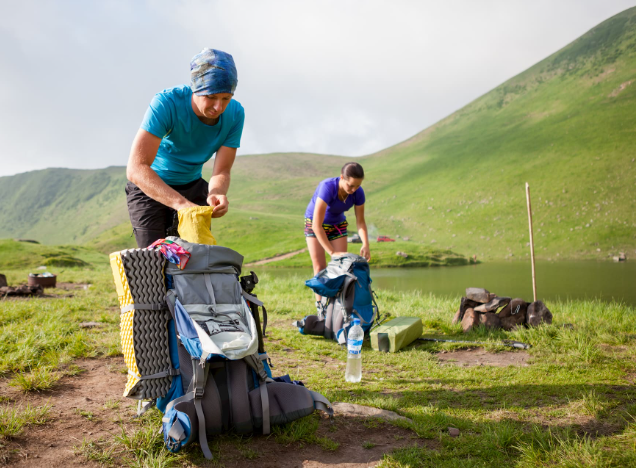
Camping is a delightful way to immerse yourself in nature, but lugging heavy gear can turn a pleasurable adventure into a strenuous ordeal. Learning how to reduce the weight of camping gear not only enhances your experience but also allows you to enjoy your time outdoors more fully.
1. Choose Lightweight Materials
One of the most effective ways to cut down on gear weight is to invest in lightweight materials. Modern manufacturers have created tents, sleeping bags, and cooking gear made from high-tech materials that significantly reduce weight without sacrificing durability. For instance, a nylon tent can weigh half as much as a comparable canvas option while providing the same level of protection from the elements.
Additionally, synthetic insulation in sleeping bags tends to be lighter than down insulation. If you’re bushwhacking or backpacking for extended periods, these lighter materials can make a world of difference in how tired you feel at the end of the day. Every ounce saved adds up, allowing you to carry more essentials or enjoy easier hikes.
-
- Research lightweight gear brands.
-
- Opt for materials like Dyneema or Silnylon for tents.
-
- Choose down insulation with high fill power for bags.
-
- Replace stainless steel cookware with titanium alternatives.
2. Streamline Your Packing List
Creating a streamlined packing list can help you avoid unnecessary items that contribute to extra weight. Evaluate what you truly need versus what may be nice to have. Consider your camping location and duration—do you need a robust first-aid kit, or can you pare it down to the essentials? By separating gear into “must haves” and “nice to haves,” you can make more informed decisions before heading out.
A practical way to reduce your list is by opting for multi-purpose items that serve more than one function. For example, a Swiss Army knife not only serves as a knife but includes tools like screwdrivers, can openers, and even scissors. Weighing the benefits of carrying versatile items can help minimize overall weight without sacrificing utility.
-
- Create a minimalist packing list.
-
- Identify multi-functional gear, like a cook pot that doubles as a bowl.
-
- Assess how long you will be camping before packing food.
-
- Leave behind items that you can do without based on location.
3. Optimize Food Choices
Food can take up a significant portion of your pack weight, so it’s essential to choose wisely. Opt for lightweight dehydrated meals or freeze-dried foods that are easy to prepare and carry. These options provide the nutrition you need without the heavy bulk of canned goods. Companies specializing in camping food often offer meal kits designed specifically for ease of transport and preparation.
Another clever approach is to pre-pack snacks in smaller containers, reducing the overall weight compared to carrying large bags. Consider packing nuts, energy bars, or homemade trail mix as quick energy sources that won’t weigh you down. Be sure to calculate daily caloric needs so that you pack just enough food to keep you energized without the extra pounds.
-
- Opt for lightweight dehydrated or freeze-dried meals.
-
- Pre-pack snacks in smaller containers.
-
- Select high-calorie, low-weight foods like nuts and energy bars.
-
- Plan meals to avoid repetition and pack only what you need.
4. Rethink Your Sleeping System
Your sleeping system is another area where significant weight can be saved. Rather than bulky sleeping pads, consider inflatable ones, which pack down much smaller and are substantially lighter. A quick look through various brands will reveal options that are surprisingly comfortable while drastically cutting down on weight.
Also, examine where you will be camping. If conditions allow, forgo a tent in favor of a lightweight hammock, which can weigh as little as a few ounces. Some modern hammocks also transition into sleeping systems that include bug nets and rainfly tarps, allowing you to carry less while obtaining a good night’s sleep under the stars.
-
- Choose inflatable sleeping pads over bulky alternatives.
-
- Consider a lightweight hammock instead of a full tent.
-
- Add a rainfly instead of a heavy tarp for lightweight shelter.
-
- Examine the pack size of your sleeping gear before a trip.
Reducing camping gear weight can profoundly impact your overall experience, making it more enjoyable and manageable. By strategically selecting lightweight materials, refining your packing list, optimizing your food choices, and reconsidering your sleeping systems, you will set yourself up for a more pleasant outdoor adventure. Take the next step by evaluating your gear and making adjustments for your next trip into the wild!