
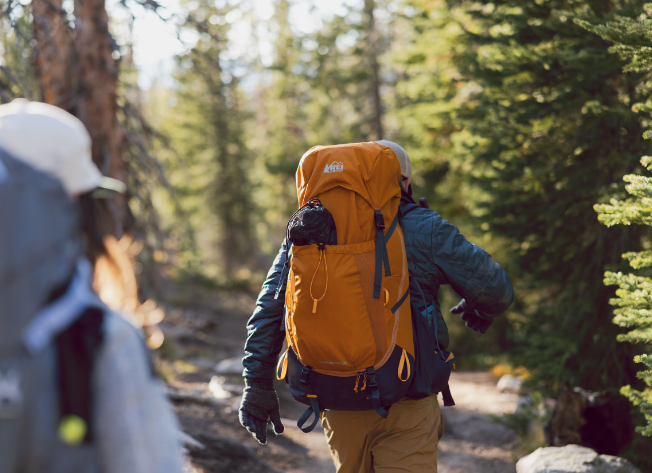
If you’re an outdoor enthusiast, choosing the right camping backpack is critical for a successful adventure. The size of your backpack can significantly impact your comfort, ease of movement, and ability to carry all your essentials. In this guide, we’ll break down the different sizes of camping backpacks and help you decide which one is right for you.
1. Backpack Size Categories
When it comes to camping backpacks, sizes generally fall into three main categories: daypacks, weekend packs, and multi-day packs. Daypacks typically hold 20 to 30 liters, making them perfect for short hikes or day trips. These are designed for minimal gear and are ideal for carrying water, snacks, and other essentials for a single-day adventure.
Weekend packs, often ranging from 30 to 60 liters, are intended for short trips, typically up to three days. They offer more space for additional clothing, food, and sleeping gear, striking a balance between capacity and portability. Multi-day packs exceed 60 liters and can accommodate everything you need for longer expeditions. These are designed for serious trekkers and those navigating extended wilderness trips.
-
- Consider your trip duration when choosing a pack size.
-
- Evaluate the type of gear you’ll need for your adventure.
-
- Keep in mind comfort and weight distribution.
-
- Test different sizes at your local outdoor store.
2. Determining Your Capacity Needs
To ascertain the appropriate backpack size for your adventures, you should evaluate the items you’ll be bringing along. A daypack might be enough for hiking with basic gear such as water, snacks, and a first aid kit. However, you’ll need a larger weekend pack if you’re bringing a sleeping bag, spare clothing, and cooking supplies for an overnight escapade.
Multi-day trips require even more thorough planning, especially when packing for various weather conditions and terrains. Assess your comfort with weight and bulk; if you prefer lightweight gear, aim for a larger pack that fits your essentials without feeling overloaded.
-
- Compile a packing list based on your trip type.
-
- Factor in seasonal weather needs.
-
- Prioritize lightweight and compact gear.
-
- Consider food volume for longer intervals.
3. Fit and Adjustability
No matter the size of the backpack, fit is paramount to ensuring your comfort and mobility. A proper fit will help distribute weight evenly across your body, reducing strain during your hike. Look for backpacks with adjustable harness systems that allow you to customize the fit based on your height and torso length.
Additionally, pay attention to hip belts and shoulder straps, as the right adjustment can drastically enhance your carrying experience. Some backpacks also feature load-lifters or compression straps to help stabilize heavier loads. Always try on a backpack with weight in it when you’re testing for fit during your selection process.
-
- Adjust hip belts and shoulder straps for a snug fit.
-
- Test the pack with heavier weights to assess comfort.
-
- Look for backpacks with adjustable torso lengths.
-
- Check for padding in the hip area for added comfort.
4. Features to Consider
When selecting a camping backpack, think about features that can enhance your user experience. Compartments and pockets are essential for organizing smaller items such as snacks, maps, and emergency gear. Look for hydration reservoir compartments or built-in rain covers for added convenience on hikes.
Another vital feature is ventilation. Mesh back panels help circulate airflow, which is particularly beneficial on warm-weather hikes. Additionally, weight-saving materials can significantly decrease the burden you carry, making your adventures that much easier.
-
- Check for external attachment points for gear like trekking poles.
-
- Look for moisture-resistant materials for unexpected rain.
-
- Choose a backpack with multiple compartments for better organization.
-
- Consider packs with ventilation for hotter climates.
5. Maintenance and Longevity
Once you’ve selected the perfect camping backpack, maintaining it is essential for longevity. Regular cleaning is important, especially after muddy or dusty adventures. Most packs are machine washable, but some require spot cleaning; make sure to read the care instructions to keep your gear in optimal shape.
Also, inspect your backpack regularly for signs of wear or damage. Pay attention to zippers, seams, and straps. Repair any minor issues immediately to prevent them from escalating, prolonging the life of your investment significantly.
-
- Clean your backpack after each major trip.
-
- Store it in a cool, dry place to avoid mildew.
-
- Inspect for damage regularly and repair immediately.
-
- Avoid overloading to prevent unnecessary wear.
Choosing the right camping backpack can dramatically improve your outdoor experience. Now that you have a better understanding of backpack sizes and what to consider, take the time to research and find the perfect fit for your next adventure. Happy hiking!