
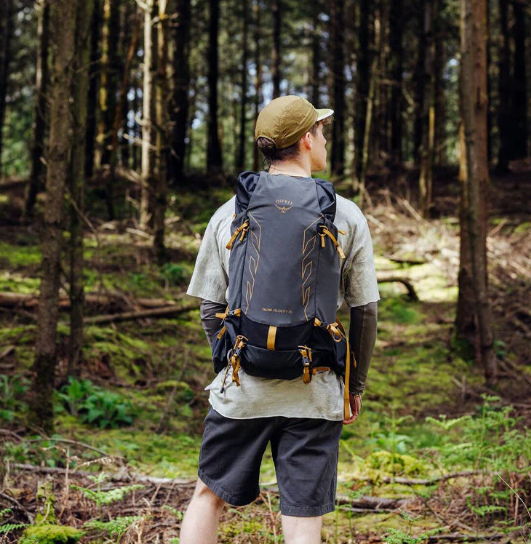
Choosing the right camping backpack can significantly impact your outdoor experience. With myriad options available, figuring out what suits your needs can feel overwhelming. This guide breaks down essential factors to consider, helping you find the perfect companion for your adventures.
1. Understand the Intended Use
Before diving into specifics, determine how you plan to use your backpack. Are you embarking on a weekend getaway or a month-long expedition? Knowing your trip’s length and intensity will direct your choice of size and features. For short trips, a smaller daypack might suffice, while week-long journeys usually require more substantial packs with extra support and compartments.
Additionally, consider your hiking style. If you love minimalist backpacking, opt for lightweight models with basic features. Conversely, if comfort and organization are key, choose a bag with additional pockets and adjustable straps. This will make your trek more enjoyable and efficient.
-
- Assess the duration of your trips.
-
- Consider your personal hiking style.
-
- Factor in the type of terrain you’ll encounter.
-
- Reflect on how much gear you typically carry.
2. Size and Capacity Matters
Different sizes of backpacks are designed for specific trip lengths and purposes. Typically measured in liters, the capacity affects how much gear you can carry. For day hikes, a 20-30 liter pack should suffice, while weekend trips usually require 40-60 liters. For extended trips, 60 liters and above may be necessary to hold all of your supplies.
When selecting size, think about how efficiently you pack. A larger backpack may encourage you to bring unnecessary items, while a smaller one can force you to prioritize essentials. Try on backpacks with weight to understand how their size and shape feel, and assess whether they provide enough support and comfort.
-
- Choose a size based on the length of your trip.
-
- Consider the weight of your gear when selecting capacity.
-
- Test packing to ensure fit and comfort.
-
- Avoid overpacking to maintain optimal weight.
3. Features and Comfort
Features can make or break your camping backpack experience. Look for padded shoulder straps, an adjustable hip belt, and a ventilated back panel. These elements are crucial for distributing weight evenly and maintaining comfort on long treks. Many backpacks also offer hydration reservoir sleeves, which can be incredibly handy for staying hydrated without constantly stopping for water bottles.
Customization of fit lends additional comfort. Look for torsos that adjust to your height and straps that can be cinched for a snug feel. Some new models even come with built-in load lifter straps, which help shift weight away from your back for a more balanced load. Always ensure the bag feels good when you try it on for at least 10-15 minutes.
-
- Check for padded and adjustable straps.
-
- Look for breathable back panels.
-
- Seek out additional features like hydration reservoirs.
-
- Test the backpack with weight to assess comfort.
4. Material and Durability
The material of your backpack is a key factor in its longevity and ability to withstand the elements. Common materials include nylon and polyester, which offer durability and weather resistance. If you plan on hiking in wet conditions, consider bags with waterproof or water-resistant coatings. Additionally, reinforced stitching at stress points enhances durability.
When evaluating durability, think about how rough you can be on gear. For high-abrasion environments, select a more rugged fabric. It’s also wise to check reviews for insights on how well certain bags perform over time. If available, test the material’s wear and tear directly in-store.
-
- Opt for materials that suit your hiking conditions.
-
- Inspect for reinforced stitching and seams.
-
- Read product reviews for durability insights.
-
- Consider additional waterproofing if necessary.
Choosing the right camping backpack is an essential step toward enhancing your outdoor adventures. By understanding your needs, evaluating size and comfort, and considering the material, you can select a pack that serves you well for years to come. Don’t hesitate to explore various options and try them on, as finding the perfect fit can be a game-changer for your hiking experience!