
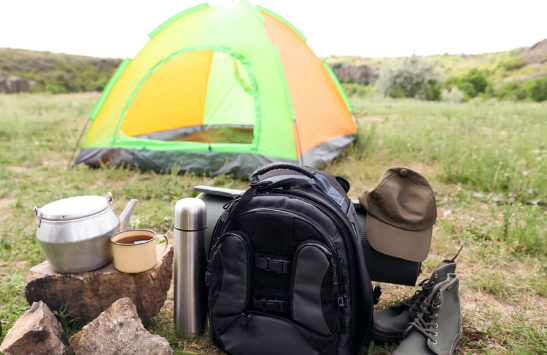
Camping in grasslands offers a unique experience, allowing you to connect with nature while enjoying wide-open spaces and vibrant ecosystems. Whether you are a seasoned camper or a beginner, having the right equipment can significantly enhance your outdoor adventure. This guide will provide you with essential information on the must-have gear for grassland camping.
1. Shelter: Choose the Right Tent
Your tent is your sanctuary in the outdoors, and choosing the right one for grassland camping is crucial. Look for a tent that can withstand wind and potential rain, as grasslands can be exposed to sudden weather changes. A four-season tent is ideal if you plan to camp in early spring or late fall, while a three-season tent suffices for summer trips. Make sure the tent is lightweight enough for easy transport, and check the size to accommodate your group comfortably.
In addition to weight and durability, consider the tent’s ventilation system. Grasslands can get hot during the day but cool down considerably at night. Look for tents with adjustable vents or mesh panels to help regulate airflow and prevent condensation build-up inside.
-
- Choose a tent suitable for the season and climate.
-
- Test the tent for ease of setup before your trip.
-
- Bring extra stakes and guylines for stability.
-
- Check weather forecasts and adjust your gear accordingly.
2. Cooking Gear: Essential Tools for Meal Prep
Cooking in the great outdoors becomes easier with the right set of tools. A portable camp stove is an excellent investment, allowing you to prepare meals without relying solely on a campfire. Look for compact, lightweight models with wind resistance features to ensure efficient cooking in open grassy areas. Don’t forget a fuel source like propane or butane gas, as well as a lighter or matches.
Beyond the stove, consider packing essential cooking utensils such as a pot, skillet, and spatula. A multi-function tool can save space and provide everything from cutting to opening packages. Additionally, having a clean-up kit with sponges, biodegradable soap, and a trash bag will help keep the campsite eco-friendly.
-
- Invest in a portable camp stove with wind-resistant features.
-
- Pack lightweight and compact cooking utensils.
-
- Bring extra fuel and a reliable lighter.
-
- Include a clean-up kit to minimize your environmental impact.
3. Safety Equipment: Keep Yourself Protected
When camping in grasslands, safety should be your top priority. Always carry a first aid kit stocked with remedies and supplies specific to the potential risks of your environment. Include items like insect repellent, antiseptics, bandages, and any personal medications. It is also wise to have a map and compass or a GPS device to navigate the terrain effectively.
Weather can change rapidly in grassland areas, making it vital to stay aware of your surroundings. Packing items such as a whistle for signaling in case of emergencies and a flashlight or headlamp for nighttime exploration can make your camping experience safer and more enjoyable. Remember to inform someone of your plans, including your expected return date and location.
-
- Invest in a comprehensive first aid kit tailored for outdoor use.
-
- Carry navigation tools like maps, compasses, or GPS devices.
-
- Always inform someone of your itinerary.
-
- Pack emergency signaling devices like whistles and flashlights.
4. Clothing: Dress for Comfort and Protection
Choosing the right clothing is essential for a comfortable grassland camping experience. Layering is key; start with moisture-wicking base layers, add insulating layers for warmth, and finish with a waterproof and windproof outer layer. This way, you can adjust your outfit based on temperature and weather conditions throughout the day.
Footwear is another important consideration. Sturdy hiking boots with good ankle support and waterproof materials will keep your feet dry and comfortable on various terrains. Also, consider packing a pair of sandals for relaxing around the campsite. Hats, sunglasses, and sunscreen should not be overlooked as they protect you from sun exposure during daylight hours.
-
- Use a layering system for adjustable comfort.
-
- Invest in waterproof and supportive hiking boots.
-
- Pack appropriate accessories like hats and sunglasses.
-
- Don’t forget sunscreen to protect from UV rays.
5. Navigation Tools: Stay on Track
Navigating expansive grasslands can be challenging, especially in remote areas. Having reliable navigation tools is crucial to avoid getting lost. A map and compass are timeless tools every camper should know how to use. Familiarize yourself with the terrain and any specific landmarks to aid in wayfinding.
For added safety, consider downloading a navigation app on your smartphone. These apps can offer offline maps and GPS tracking when signal isn’t available. Just remember to pack a power bank to keep your device charged. Carry a backup battery or global positioning tool as a fail-safe option.
-
- Learn how to use a map and compass effectively.
-
- Download offline maps on your smartphone before your trip.
-
- Carry a power bank to ensure your navigation devices stay charged.
-
- Scout the area for notable landmarks to help with orientation.
In conclusion, preparing for grassland camping requires thoughtful consideration of your equipment and safety. By selecting the right shelter, cooking gear, safety equipment, clothing, and navigation tools, you can fully enjoy the beauty of the outdoors. Equip yourself well and embark on a memorable adventure in nature!