
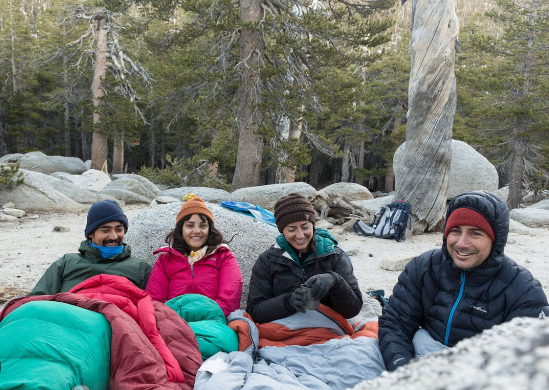
Winter camping can be a thrilling experience, but it also demands a solid understanding of the right equipment to keep you safe and comfortable in cold weather. This guide will explore essential winter camping gear that safeguards you from the elements, ensuring you enjoy your frosty adventures.
1. Insulated Shelter
The foundation of any successful winter camping trip is having a proper shelter. An insulated tent or a four-season tent can offer the durability and warmth needed in cold weather. Look for tents specifically designed for winter conditions, featuring reinforced fabrics, a lower profile to resist wind, and ventilation systems to manage condensation. Investing in a tent with a built-in ground tarp can also add an extra layer of thermal protection.
Moreover, consider utilizing a sleeping bag rated for sub-zero temperatures and a sleeping pad with good insulation. Combining a quality sleeping bag with an insulated air mattress can help you maintain body heat throughout the night. Ensure your sleeping bag is windproof and provides comfort despite the cold ground beneath.
-
- Choose a four-season tent with solid insulation.
-
- Consider an additional ground tarp for extra insulation.
-
- Invest in a high-rated sleeping bag for winter.
-
- Pair your sleeping bag with a well-insulated sleeping pad.
-
- Check for vents to manage condensation inside your shelter.
2. Cold Weather Clothing
Wearing appropriate clothing layers is crucial for staying warm and dry during winter camping trips. Start with moisture-wicking base layers that move sweat away from your skin, which are critical to prevent chilling. Layer this with an insulating middle layer that provides warmth, such as fleece or down, and top it off with a waterproof and windproof outer layer to protect against the elements.
Don’t forget essential accessories like gloves, insulated hats, and gaiters. Always ensure they are made from breathable materials to avoid overheating and sweating, which can lead to significant heat loss. Also, prioritize waterproof boots that offer good traction to prevent slipping on icy surfaces.
-
- Select moisture-wicking base layers.
-
- Layer with insulating fleece or down jackets.
-
- Wear a waterproof and windproof outer layer.
-
- Don’t overlook warm hats and gloves.
-
- Opt for insulated, waterproof boots with good grip.
3. Cooking Equipment
Proper cooking gear is essential when winter camping as it can be more challenging to prepare meals in cold conditions. A compact stove, preferably one that can handle low temperatures and has a reliable fuel source, is vital. Canister stoves designed for winter use typically perform well, but liquid fuel stoves can offer even better performance in extreme cold.
Bring along insulated containers or thermoses to keep your food and drinks warm. Plan meals that are easy to prepare and require fewer ingredients. Don’t forget utensils and a compact cookware set designed for freezing temperatures. Additionally, practice safe cooking measures, as carbon monoxide can be a serious risk while managing heat inside your shelter.
-
- Choose a reliable stove effective in cold weather.
-
- Use insulated containers for hot food and drinks.
-
- Plan easy-to-cook meals with minimal ingredients.
-
- Always ventilate while cooking inside your shelter.
-
- Bring compact cookware optimized for winter use.
4. Safety Gear
Winter camping carries specific risks, so being prepared with the right safety gear is crucial. First, a good-quality avalanche beacon, shovel, and probe are must-haves if you plan to camp in snowy areas prone to avalanches. Educate yourself on avalanche safety principles, and always have an emergency plan before venturing out.
In addition, pack a first aid kit designed for winter emergencies, including items like thermal blankets, extra hand warmers, and waterproof matches. Having a basic repair kit for gear is another smart move, allowing you to address any equipment malfunctions on the spot. Carrying a reliable means of communication, like a satellite phone or GPS device, can also be a lifesaver.
-
- Always carry avalanche safety gear when needed.
-
- Have a robust first aid kit tailored for winter use.
-
- Include a gear repair kit for on-the-go fixes.
-
- Consider a satellite phone or GPS for reliable communication.
5. Navigation Tools
Winter landscapes can look drastically different under a blanket of snow, making navigation a challenge. A good quality map and compass can serve you well, but you may also want to invest in a handheld GPS device designed for winter conditions. Familiarizing yourself with the terrain ahead of time is essential, either through maps or digital applications that track trail conditions and weather forecasts.
Additionally, consider using trekking poles for stability while hiking in icy conditions. Trekking poles help with balance and reduce strain on your knees in snowy environments. Always make sure your navigation tools are accessible while you’re outside, as getting lost can lead to serious consequences in the winter cold.
-
- Carry a physical map and a reliable compass.
-
- Invest in a winter-friendly handheld GPS device.
-
- Familiarize yourself with your route and terrain beforehand.
-
- Use trekking poles for better stability on icy trails.
Winter camping can be a rewarding experience if you have the right equipment and preparation. By investing in the proper gear and understanding your environment, you can embark on your cold-weather adventure with confidence. Always remember to research and plan ahead, ensuring your winter camping experience is memorable for the right reasons!